Choosing the right pipette tip is fundamental for precise liquid handling in any laboratory setting. Despite its seemingly simple role, the pipette tip influences accuracy, sample integrity, and overall experimental success. Understanding how to select the appropriate tip helps avoid common issues such as contamination, volume inaccuracy, and workflow inefficiencies.
This comprehensive guide will walk you through what pipette tips are, why selection matters, how to match tips to your lab needs, and what characteristics define high-quality tips. Whether you are handling routine lab tasks or sensitive molecular procedures, this article is designed to help you choose your pipette tips with confidence and clarity.
For specialized consumables like pipette tips and petri dishes, Siny Medical offers a range tailored for diverse lab applications. You can explore the product range or request detailed guidance at Siny Medical’s website.
Table of Contents
- 1 Understanding Pipette Tips
- 2 What Are Pipette Tips and Why Are They Important?
- 3 Why Finding the Right Pipette Tip Matters
- 4 Why Choosing the Right Pipette Tip Matters
- 5 Matching Pipette Tips to Laboratory Applications
- 6 Matching Pipette Tips to Your Laboratory Needs
- 7 Routine Laboratory Use
- 8 Molecular Biology and Nucleic Acid Work
- 9 Working With Viscous or Precious Samples
- 10 High-Throughput and Automation
- 11 Characteristics of a High-Quality Pipette Tip
- 12 Why Supplier Quality Influences Pipette Tip Performance
- 13 Tips for Maximizing Pipette Tip Performance
- 14 Summary
- 15 FAQs
Understanding Pipette Tips
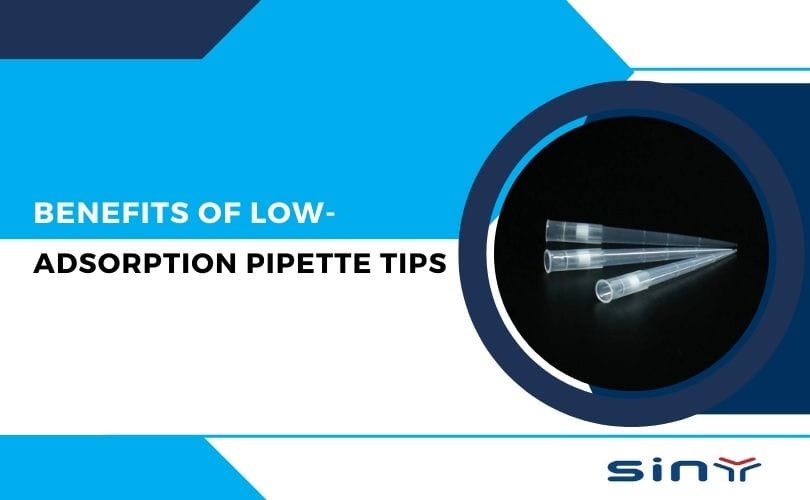
Pipette tips are typically made from high-quality virgin polypropylene, ensuring chemical resistance and durability. They come in various types, including sterile, filtered, low-retention, and wide-bore tips, each designed for specific applications. The geometry, material purity, and manufacturing quality of pipette tips directly influence their performance.
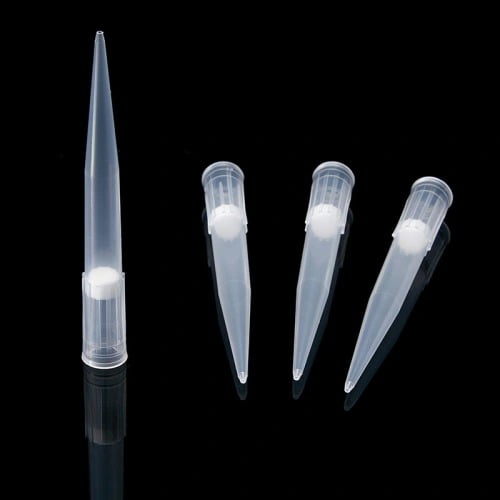
For example, sterile tips are essential for cell culture or diagnostic work, while filtered tips prevent aerosol contamination in PCR or RNA/DNA handling. Understanding these distinctions is the first step in finding the right pipette tip for your lab.
What Are Pipette Tips and Why Are They Important?
Pipette tips are disposable plastic attachments that fit onto micropipettes, designed to transfer measured liquid volumes precisely and hygienically. They are usually made from virgin polypropylene, a material chosen for its chemical resistance, transparency, and inertness.
These tips serve to isolate samples from pipettes, preventing cross-contamination. They come in a variety of forms including standard, filtered, low-retention, wide-bore, and automation-compatible types—each engineered for different laboratory needs.
Selecting the correct pipette tip impacts:
- Accuracy of liquid handling
- Sample integrity and contamination control
- Reliable workflow efficiency
Even a perfectly calibrated pipette cannot compensate for poor-quality tips that introduce errors through inconsistent fit, variable volume delivery, or contamination risks.
Learn more about what pipette tips do at What Are Pipette Tips Used For.
Why Finding the Right Pipette Tip Matters
Operating in an environment where laboratory procedures demand exactness, choosing the wrong pipette tip creates problems that ripple across your workflow:
- Incorrect volumes causing experimental errors
- Sample contamination impacting sensitive protocols like PCR or cell culture
- Frequent tip ejector jams or pipette damage from incompatible tips
- Increased reagent waste when liquid clings inside low-quality tips
The market offers many pipette tips promising “universal” fit and performance, but subtle differences in design, materials, and manufacturing quality define actual usability.
This guide helps you cut through the clutter, so you know which factors genuinely affect performance and sample safety. For detailed product options, you can always visit the How To Choose a Pipette Tip page at Siny Medical.
Why Choosing the Right Pipette Tip Matters
Selecting the wrong pipette tip can lead to inaccurate liquid handling, contamination, or sample loss. Even with a perfectly calibrated pipette, a poorly matched tip can compromise experimental results. This guide aims to help you navigate the crowded market of pipette tips, ensuring you make an informed decision that aligns with your laboratory’s needs.
Matching Pipette Tips to Laboratory Applications
The right pipette tip depends on the type of work your lab performs. Here’s how to match tip types to specific applications:
General Laboratory Use
For routine tasks like buffer preparation or reagent transfer, standard polypropylene tips are cost-effective and reliable.
Molecular Biology, PCR, and qPCR
High-sensitivity applications require sterile, filtered, and DNase/RNase-free tips to prevent contamination and ensure accuracy.
Viscous Liquids or Precious Samples
Low-retention tips minimize residual droplets, while wide-bore tips are ideal for handling viscous liquids or delicate cells.
High-Throughput or Automated Pipetting
Automation-compatible tips, reload racks, or bulk-packaged sterile tips help maintain efficiency and reduce costs.
By defining your application, you can narrow down your options and choose a tip that aligns with your workflow.
Matching Pipette Tips to Your Laboratory Needs
Correct selection depends primarily on your specific applications. Below are common laboratory scenarios and the most suitable pipette tip types for each:
Routine Laboratory Use
For daily tasks such as reagent transfer, buffer preparation, or dilutions, standard polypropylene tips are economical and sufficiently precise. These tips are versatile for volumes from microliters to milliliters.
Molecular Biology and Nucleic Acid Work
PCR, qPCR, RNA/DNA extraction, and sequencing require stringent contamination control. Use:
- Sterile tips to prevent microbial intrusion
- Filtered (aerosol-barrier) tips to block aerosolized contaminants
- Certified DNase/RNase-free tips to avoid nucleic acid degradation
These features protect assay integrity and reproducibility when handling genetic material.
Working With Viscous or Precious Samples
Viscous liquids like glycerol or proteins can adhere to plastic surfaces, while precious samples demand minimal loss. Choose:
- Low-retention tips with ultra-smooth hydrophobic surfaces to reduce liquid carryover
- Wide-bore tips to accommodate thicker liquids or delicate cells without shear damage
High-Throughput and Automation
Labs processing large numbers of samples benefit from:
- Automation-friendly tips designed for robotic pipettes
- Tips in refill racks or bulk packaging for efficient loading
- Certified sterility to maintain assay performance at scale
Define your laboratory application clearly to narrow down the suitable types. Siny Medical’s support team can assist in matching tip styles to your workflow at Contact Siny Medical.
Characteristics of a High-Quality Pipette Tip
After identifying your application, inspect the following features closely to ensure reliability and accuracy:
Material Purity
Virgin polypropylene is preferred for manufacturing pipette tips. Recycled plastics introduce potential chemical contaminants and reduce transparency. High-purity polypropylene supports:
- Superior chemical resistance
- Clear visibility of liquid volumes
- Robust mechanical strength
Dimensional Consistency
Precision in molding ensures tips have:
- Precisely centered orifices
- Smooth interior surfaces for predictable liquid flow
- Uniform dimensions across batches to guarantee reliability
High dimensional accuracy prevents volume fluctuations and inconsistency.
Compatibility With Micropipettes
Though many tips advertise “universal compatibility,” actual fit varies:
- Tips should attach easily without excessive force
- Create airtight seals without leaks
- Eject smoothly, protecting the pipette tip cone
Ill-fitting tips cause drips, inaccurate aspiration, and user fatigue.
Volume Range
Always match the tip volume to the pipette type:
| Pipette Volume Range | Recommended Tip Volume |
|---|---|
| 0.2 µL – 10 µL | 10 µL tips |
| 10 µL – 200 µL | 200 µL tips |
| 100 µL – 1000 µL | 1000 µL tips |
| > 1000 µL | Macro pipette, large tips |
Using oversized or undersized tips reduces accuracy.
Sterility and Filtration
Use sterile or filter tips for protocols involving:
- Cell culture
- Clinical diagnostics
- Molecular biology
Such tips come certified free of DNAse and RNAse to avoid sample degradation.
Packaging Formats
Packaging impacts ease of use and contamination control:
- Rack tips: Easy to handle, minimizes contamination risk
- Bulk bags: Economical for high-volume use
- Individually wrapped tips: Highest sterility assurance
Decide based on your consumption patterns and sterility needs.
You can explore various tip packaging options at Siny Medical’s product category page.
Why Supplier Quality Influences Pipette Tip Performance
Choosing a trusted supplier is often overlooked but vital for laboratory success.
Clean-Room Manufacturing
Leading suppliers produce tips in controlled, dust-free clean rooms which reduce contamination and defects.
Consistency Across Batches
High-quality suppliers ensure:
- Consistent dimensional accuracy
- Sterility assurance
- Material purity
This consistency is essential for reproducible research and regulated environments.
Technical Support and Sample Testing
Reliable manufacturers provide:
- Free samples for compatibility testing
- In-depth technical specifications
- Personalized guidance to match lab needs
Siny Medical emphasizes supporting labs with expert guidance and product evaluations. Learn more about Siny Medical’s capabilities on their Made-in-China page.
Tips for Maximizing Pipette Tip Performance
Even the highest-quality tip needs proper handling:
Always Use a New Tip for Each Sample
Avoid reuse to prevent cross-contamination and volume errors.
Attach Tips with Proper Pressure
Secure the tip with a gentle but firm press. Excessive force suggests poor compatibility.
Avoid Tilting Techniques When Ejecting Tips
Tilting may cause liquids to flow back into the pipette, risking damage.
Store Tips Appropriately
Keep tips in dry, dust-free places away from sunlight or heat to preserve sterility and integrity.
Select Tip Features Based on Application
For example, always use filter tips during PCR or low-retention tips for viscous samples. Siny Medical showcases a variety of specialized tips on their official YouTube channel to help users.
Summary
Finding the right pipette tip is essential for accurate and reliable liquid handling in the laboratory. By understanding your application needs, evaluating tip quality, and selecting a trusted supplier like Siny Medical, you can enhance your workflow’s precision and efficiency.
For further assistance, explore Siny Medical’s pipette tip product page or contact our team for guidance and sample evaluations.
FAQs
Q1. Can universal pipette tips fit all pipettes?
Universal tips are designed to fit most brands, but compatibility varies. Always test before bulk purchasing.
Q2. When do I need filter tips?
Use filter tips for PCR, qPCR, RNA/DNA handling, or when contamination control is essential.
Q3. What makes low-retention tips different?
They have a hydrophobic interior that minimizes residual droplets, ideal for viscous or precious samples.
Q4. How important is the supplier’s manufacturing environment?
Clean-room manufacturing and strict quality control are crucial for reducing errors and ensuring reproducibility.
Q5. Should I buy bulk or racked tips?
Choose based on sterility needs and consumption levels. Bulk is cost-effective, while racks offer convenience and sterility.