Petri dishes are one of the most commonly used laboratory consumables in microbiology, clinical diagnostics, food testing, pharmaceutical research, and educational laboratories. However, once testing is complete, many users are unsure about the correct answer to an important question: how to dispose of petri dishes safely?
Improper disposal of used culture plates can create contamination risks, expose staff to biological hazards, and even violate local laboratory waste regulations. Whether you are working with bacterial cultures, fungal samples, or routine environmental testing, understanding the correct disposal method is essential for laboratory safety and operational compliance.
At the same time, buyers searching for disposable petri dishes often discover that product quality varies significantly between suppliers. The material, sterility standard, sealing performance, and packaging design of the dish can all affect both laboratory results and disposal efficiency. That is why many laboratories now focus not only on testing performance, but also on safe handling and waste management when selecting laboratory consumables.
Why Proper Petri Dish Disposal Matters
Used petri dishes are not ordinary plastic waste. In many laboratory environments, they may contain active microorganisms, biological residues, chemical agents, or contaminated agar media. If discarded incorrectly, these materials can spread contamination to personnel, surfaces, and surrounding waste streams.
Common Risks of Improper Disposal
Some of the most common problems associated with poor disposal practices include:
- Cross-contamination between samples
- Exposure to pathogenic bacteria or fungi
- Accidental environmental release of microorganisms
- Injuries from cracked or broken plastic dishes
- Regulatory violations during laboratory inspections
Even in educational laboratories where low-risk organisms are used, disposal protocols should still be followed carefully. Once a culture begins growing inside a dish, it should always be treated as potentially hazardous until properly sterilized.
In hospitals and clinical laboratories, disposal standards are usually stricter because petri dishes may contain patient-derived samples. Pharmaceutical and biotechnology facilities may also have additional biosafety requirements depending on the organisms being handled.
For laboratories managing large testing volumes, choosing reliable disposable petri dishes with consistent material quality and secure packaging can also simplify downstream waste handling and reduce accidental leakage during transport and disposal. Laboratories looking for sterile laboratory consumables often compare products such as sterile plastic petri dishes, vented culture dishes, and stackable microbiology plates available through suppliers like Siny Medical.
How to Dispose of Petri Dishes Step by Step
The correct disposal method depends largely on whether the petri dish has been contaminated with biological material. Clean unused dishes can sometimes be recycled depending on local regulations, but used culture plates usually require biohazard treatment.
Step 1: Identify the Contamination Level
Before disposal, laboratories should determine whether the petri dish contains:
- Active microbial cultures.
- Blood or body fluids.
- Chemical residues.
- Non-hazardous media.
- Unused sterile materials.
Once biological growth is present, the dish should generally be classified as biohazardous laboratory waste.
Step 2: Seal the Used Petri Dish
After incubation or testing:
- Keep the lid closed.
- Avoid reopening contaminated plates unnecessarily.
- Use parafilm or laboratory tape if required.
- Place dishes into designated biohazard bags or containers.
This minimizes airborne contamination and reduces staff exposure during handling.
Step 3: Sterilize Before Final Disposal
In most professional laboratories, contaminated petri dishes are sterilized before disposal. The most common method is autoclaving.
Autoclaving uses high-pressure saturated steam to destroy microorganisms. Standard autoclave conditions often include:
- 121°C temperature
- 15 psi pressure
- 15–30 minutes exposure time
After sterilization, the dishes can usually be disposed of according to local medical or laboratory waste regulations.
Some laboratories also use chemical disinfection methods, especially when autoclaving is unavailable. Common disinfectants include bleach solutions or approved laboratory sterilants. However, autoclaving remains the preferred method for microbiological waste.
Step 4: Dispose of According to Local Regulations
Different countries and regions classify laboratory waste differently. In general:
- Biohazardous petri dishes should go into regulated medical or laboratory waste streams.
- Non-contaminated plastic dishes may sometimes be recyclable.
- Chemically contaminated dishes may require hazardous chemical disposal procedures.
Laboratories should always follow local biosafety and waste management regulations rather than relying solely on general online advice.
For high-volume testing facilities, selecting disposable petri dishes with durable leak-resistant construction can help reduce handling risks during disposal workflows. If you are comparing sterile culture consumables for microbiology or environmental testing applications, you can explore more options through Siny Medical’s laboratory consumable product categories.
Can Petri Dishes Be Recycled?
One of the most common questions laboratories ask is whether petri dishes can be recycled. The answer depends on both the material and the contamination status.
When Recycling May Be Possible
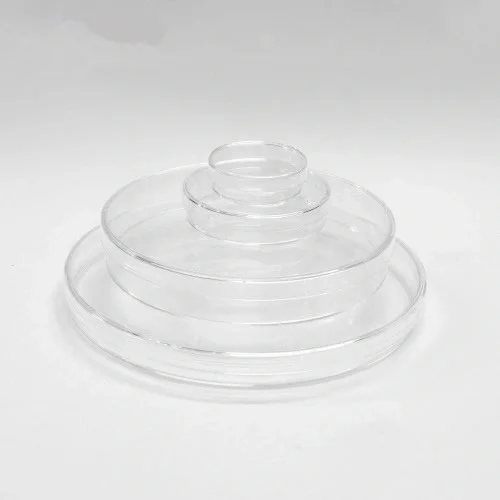
Unused or uncontaminated plastic petri dishes made from polystyrene may sometimes qualify for plastic recycling programs. Glass petri dishes can also occasionally be recycled after proper cleaning and sterilization.
However, recycling is only appropriate when:
- No biological contamination is present.
- No chemical exposure has occurred.
- Local recycling regulations allow laboratory plastics.
Why Most Used Petri Dishes Are Not Recycled
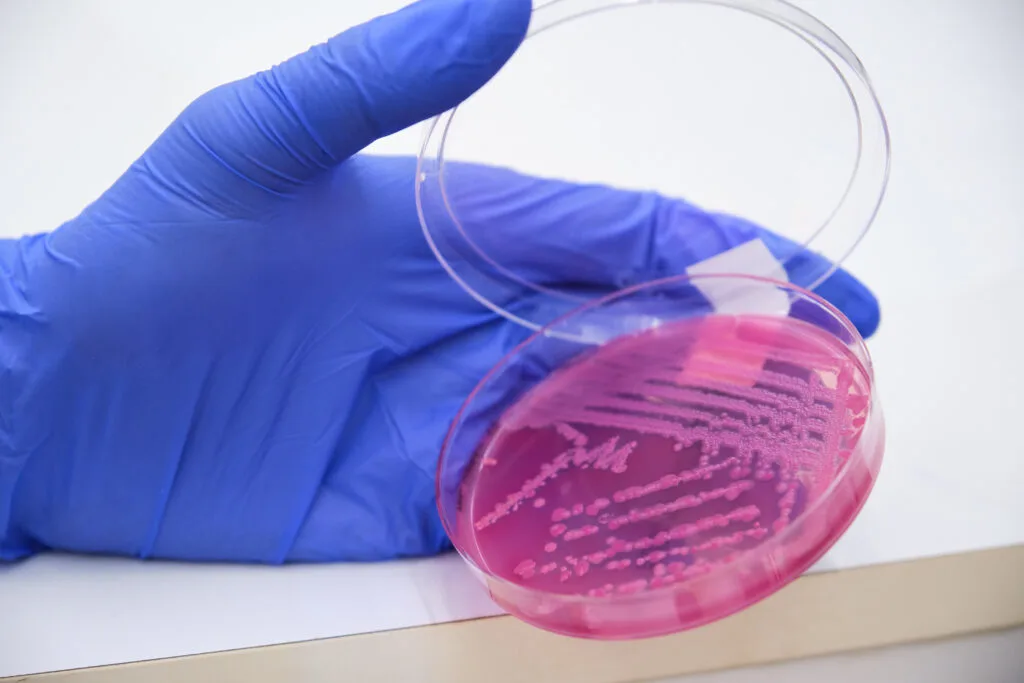
The most commonly used microbiology petri dishes are treated as biohazard waste because they contain cultured microorganisms. Even after sterilization, many facilities still choose regulated disposal instead of recycling due to contamination concerns and liability risks.
In practice, laboratories often prioritize safety and compliance over recycling convenience.
This is one reason why many buyers now prefer high-quality disposable laboratory petri dishes designed for single-use workflows. Reliable dish consistency helps reduce cracking, leakage, and contamination risks throughout both testing and disposal stages.
Glass vs Plastic Petri Dishes: Disposal Differences
Understanding the difference between glass and plastic petri dishes is important because disposal procedures are not always the same.
Plastic Petri Dishes
Disposable plastic dishes are widely used because they are:
- Lightweight
- Cost-effective
- Sterile
- Convenient for single-use applications
After contamination, they are typically autoclaved and discarded as laboratory waste.
Most disposable microbiology plates are made from polystyrene. While convenient, they are generally not reused because repeated sterilization may deform the material.
Glass Petri Dishes
Glass petri dishes are reusable and commonly found in research institutions or specialized laboratories. They require:
- Thorough cleaning
- Sterilization after each use
- Careful inspection for cracks or chips
Broken glass dishes must be disposed of in designated sharps or glass waste containers rather than standard trash bins.
Although reusable glass dishes reduce long-term waste volume, many laboratories still prefer sterile disposable petri dishes because they improve workflow efficiency and reduce cross-contamination risks between experiments.
Common Mistakes When Disposing of Petri Dishes
Even experienced laboratory personnel sometimes make disposal errors that increase contamination risk.
Throwing Plates Directly into Regular Trash
This is one of the most dangerous mistakes. Contaminated culture plates should never enter normal waste streams without sterilization.
Opening Cultured Plates Unnecessarily
Some users reopen petri dishes after incubation to inspect colonies more closely. This can release microorganisms into the environment and increase exposure risk.
Overfilling Biohazard Waste Containers
Compressed waste bags can rupture or leak. Laboratories should follow recommended fill limits for biohazard disposal containers.
Using Low-Quality Petri Dishes
Inferior dishes may crack during incubation, transport, or autoclaving. Material consistency matters more than many buyers initially realize.
For laboratories purchasing microbiology consumables in bulk, choosing professionally manufactured sterile petri dishes can improve both testing reliability and waste-handling safety. Many buyers compare features such as vented lids, uniform optical clarity, stackability, and sterilization compatibility before selecting a supplier. Contacting Siny Medical directly can help laboratories evaluate suitable petri dish specifications for different microbiology workflows.
How to Choose Petri Dishes That Improve Laboratory Safety
Disposal safety actually begins before the experiment starts. The quality of the petri dish itself affects contamination control, handling efficiency, and post-use waste management.
Features Buyers Should Evaluate
When purchasing petri dishes, laboratories often compare:
- Sterility assurance
- Material transparency
- Lid fit consistency
- Ventilation design
- Resistance to deformation
- Packaging integrity
- Stack stability
- Compatibility with automated laboratory workflows
High-quality dishes help reduce accidental contamination during incubation and transportation, while poor-quality products may increase leakage or breakage risks.
Disposable Sterile Petri Dishes for Modern Laboratories
Today, many microbiology laboratories prefer sterile disposable petri dishes because they:
- Save sterilization time
- Reduce labor costs
- Minimize cross-contamination
- Improve workflow standardization
- Simplify waste segregation
Laboratories sourcing consumables for microbiology, food testing, water analysis, or pharmaceutical applications often evaluate suppliers based on manufacturing consistency, packaging standards, and long-term supply stability in addition to price.
FAQ About How to Dispose of Petri Dishes
Are petri dishes considered biohazard waste?
Used petri dishes containing microbial cultures are usually classified as biohazardous laboratory waste and should be sterilized before disposal.
Can I throw petri dishes into the household trash?
Unused clean dishes may sometimes be discarded normally, depending on local regulations, but contaminated culture plates should never go directly into regular trash.
Do petri dishes need to be autoclaved before disposal?
In most laboratory environments, yes. Autoclaving is the standard method for sterilizing microbiological waste before final disposal.
Can plastic petri dishes be reused?
Most disposable plastic petri dishes are designed for single use only. Reusing them may increase contamination risk and reduce experimental reliability.
What is the safest way to transport used petri dishes?
Used dishes should remain sealed and be placed inside approved biohazard containers or bags during transport within the laboratory.
Are glass petri dishes better than plastic ones?
Glass dishes are reusable and durable, while plastic dishes are more convenient for sterile single-use workflows. The best choice depends on the laboratory application and workflow requirements.
Final Thoughts
Understanding how to dispose of petri dishes properly is an essential part of laboratory biosafety. Safe disposal procedures help protect personnel, maintain compliance, and reduce contamination risks in microbiology, clinical, pharmaceutical, and educational laboratories.
At the same time, disposal efficiency often starts with selecting reliable laboratory consumables. High-quality sterile petri dishes can improve handling safety, reduce leakage risks, and support more consistent laboratory workflows from sample preparation through final waste management.
If your laboratory is currently comparing disposable microbiology consumables, sterile culture plates, or other laboratory plasticware, exploring professional product options through Siny Medical can help you evaluate solutions that match both testing performance and laboratory safety requirements.