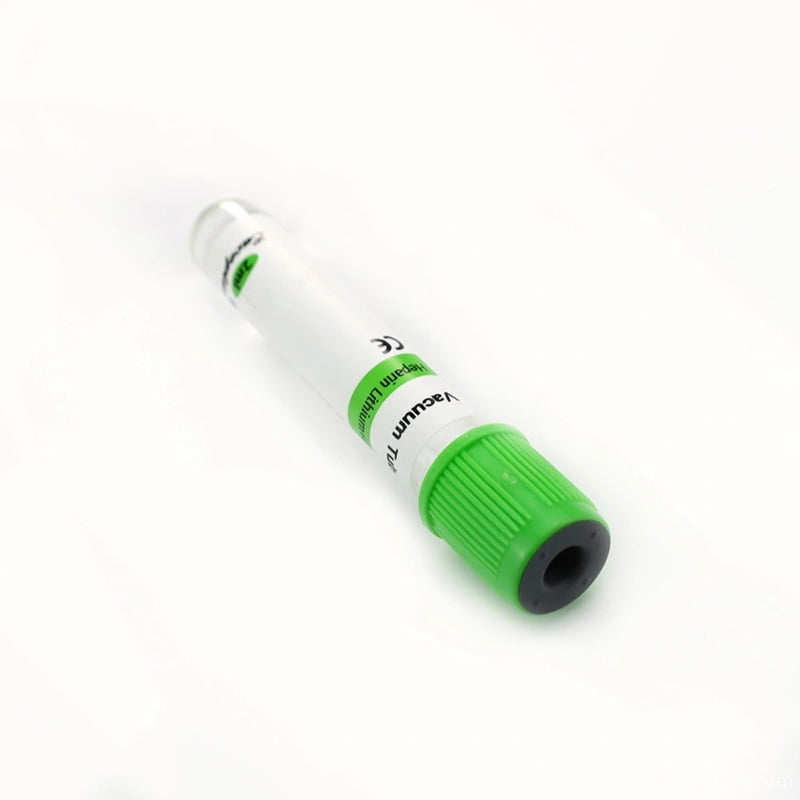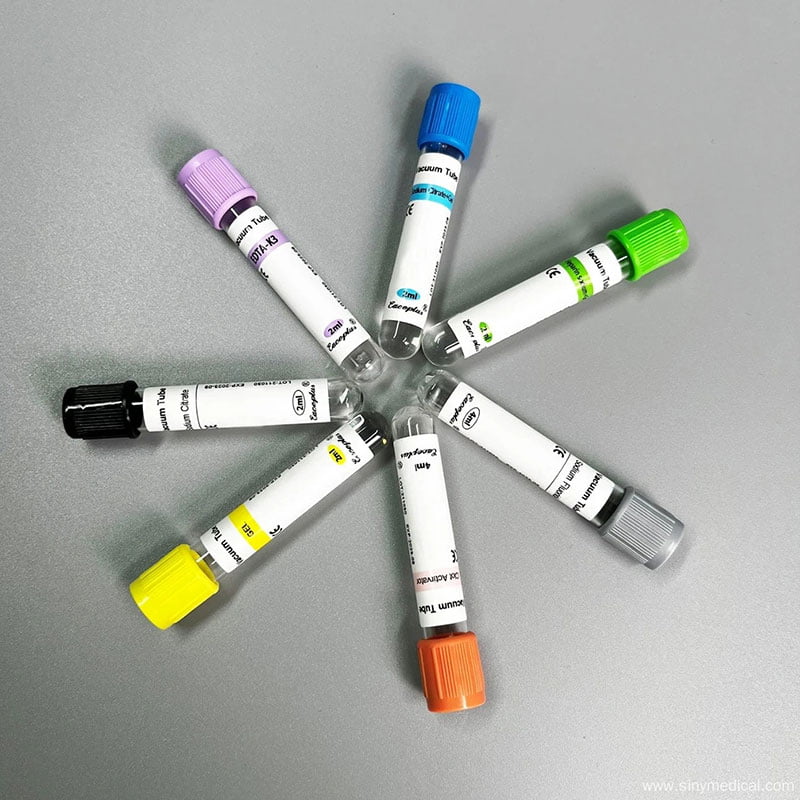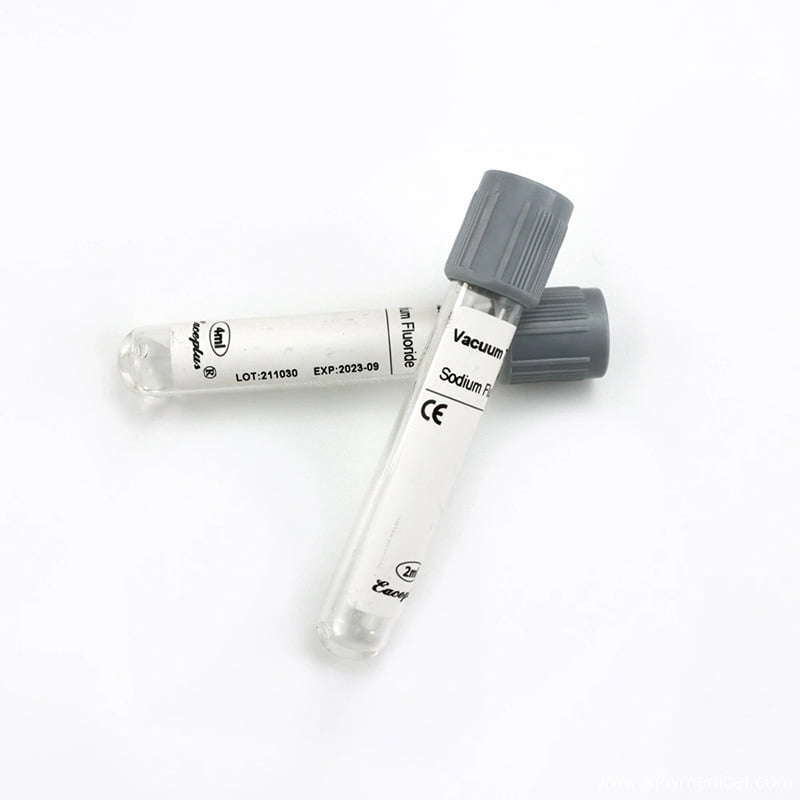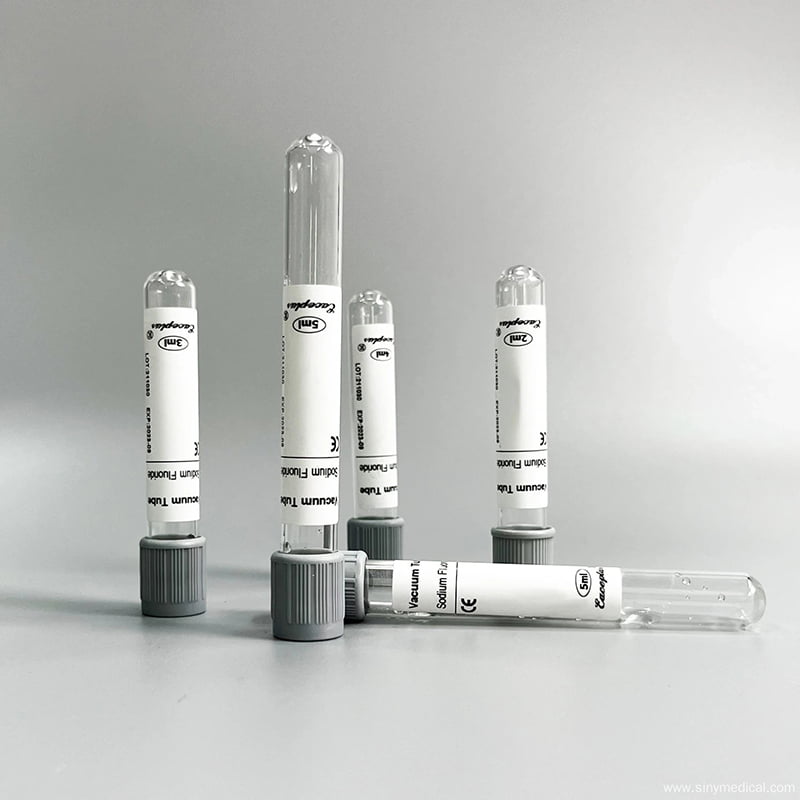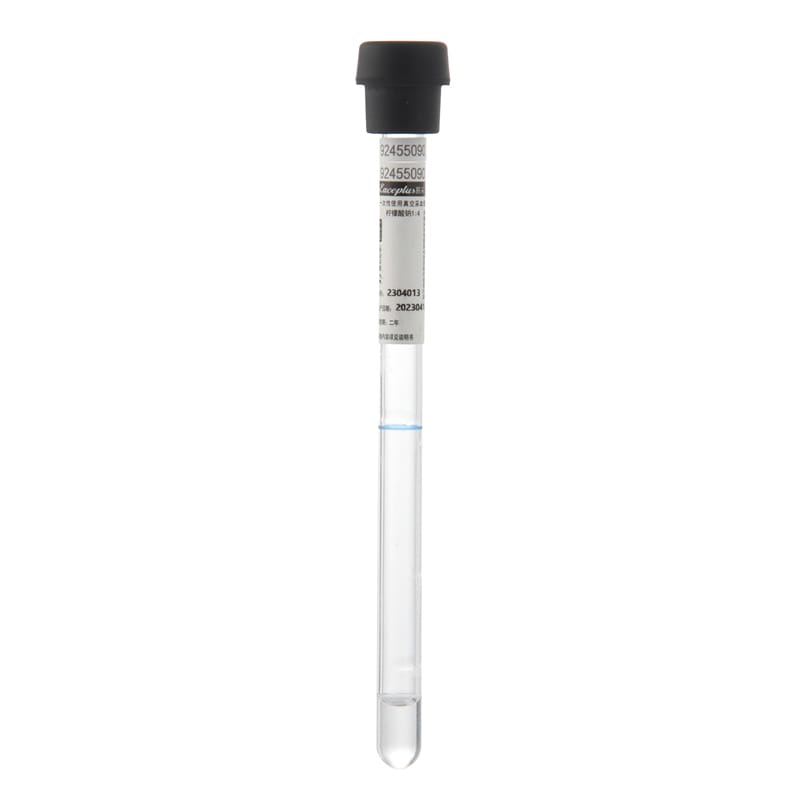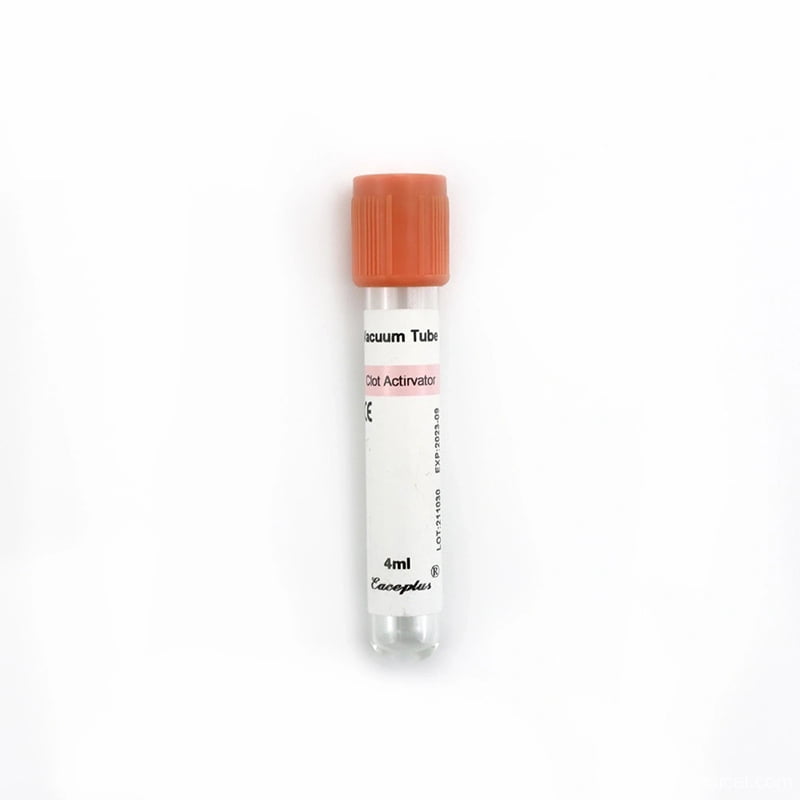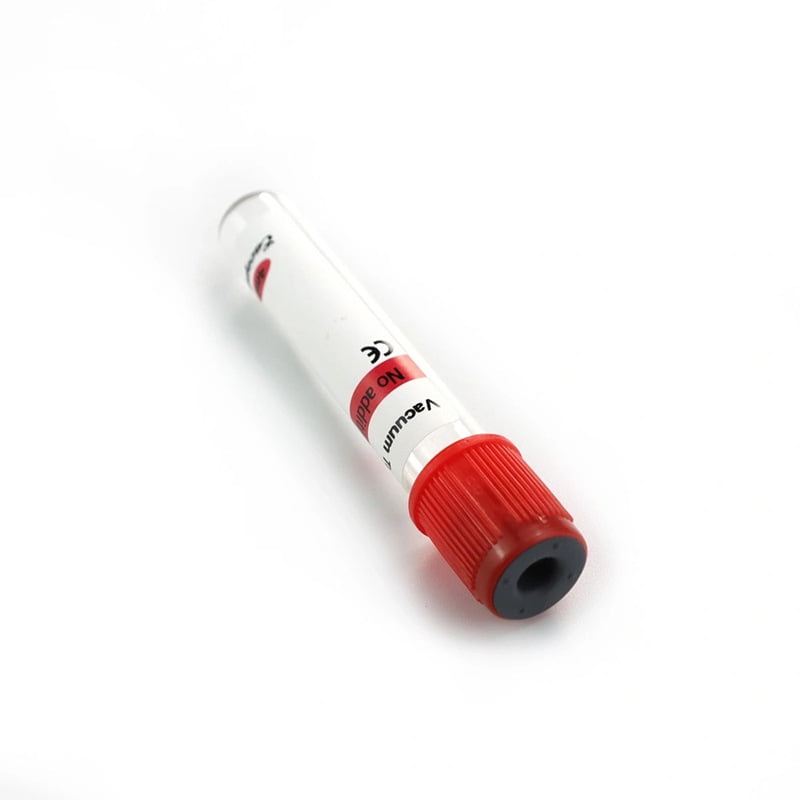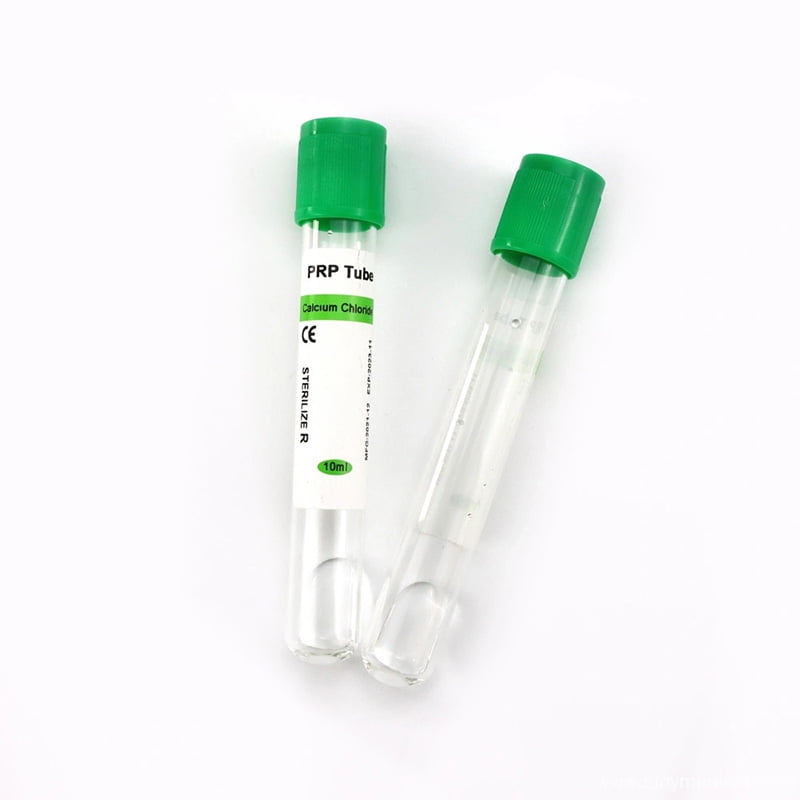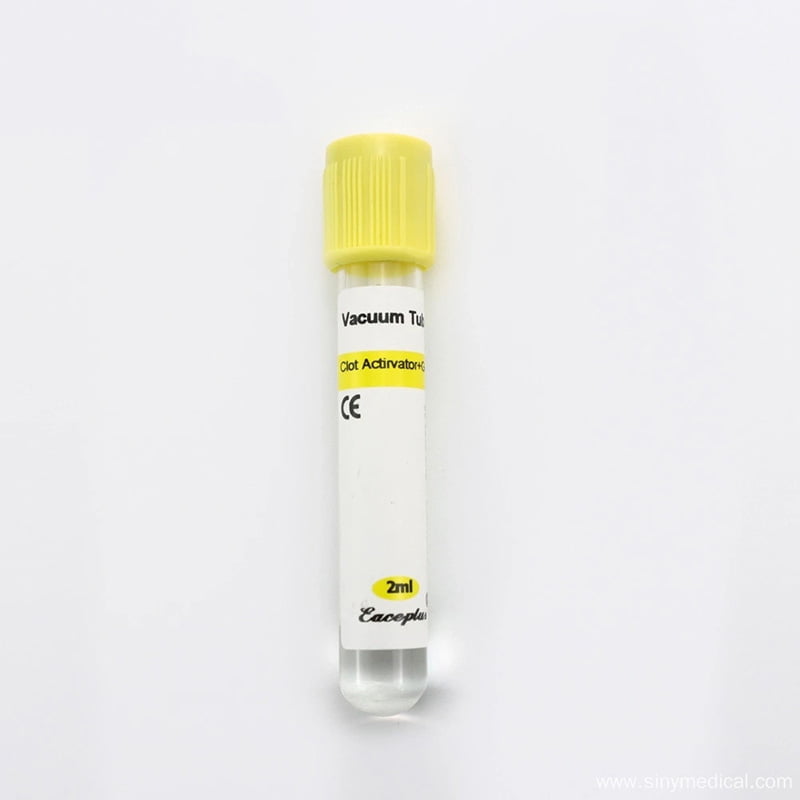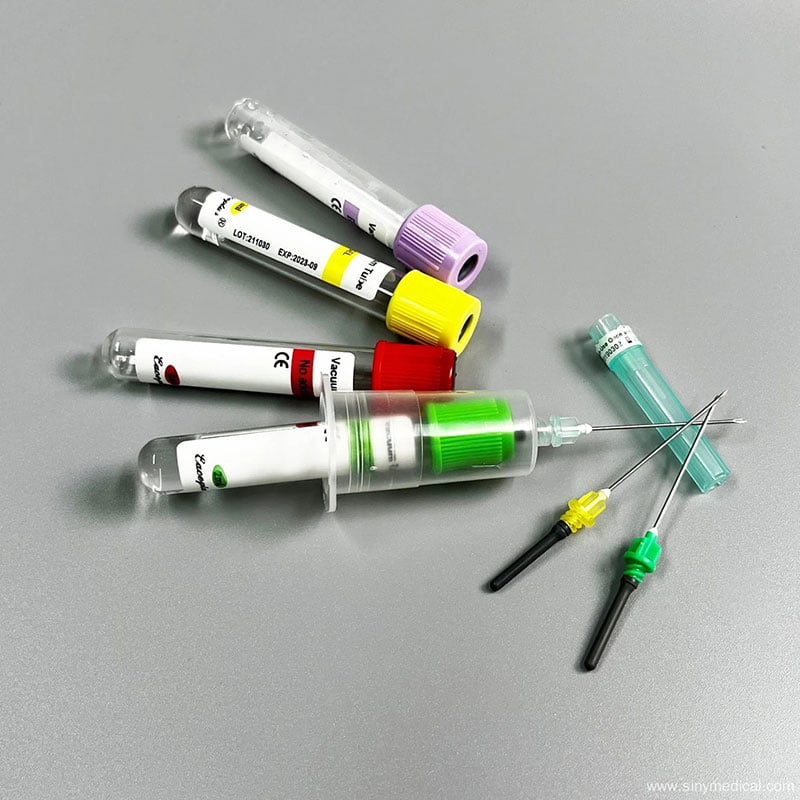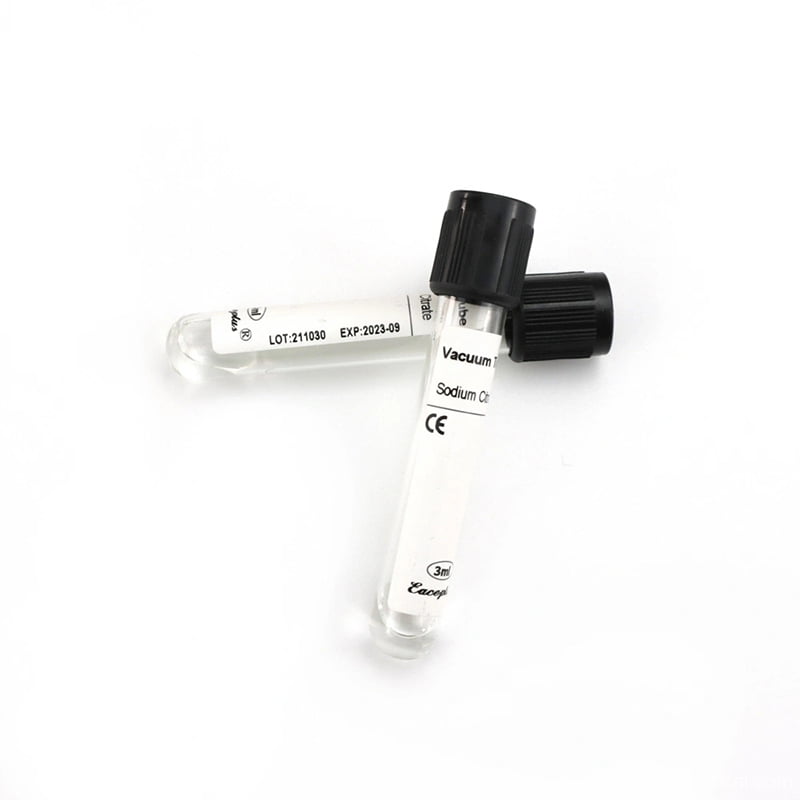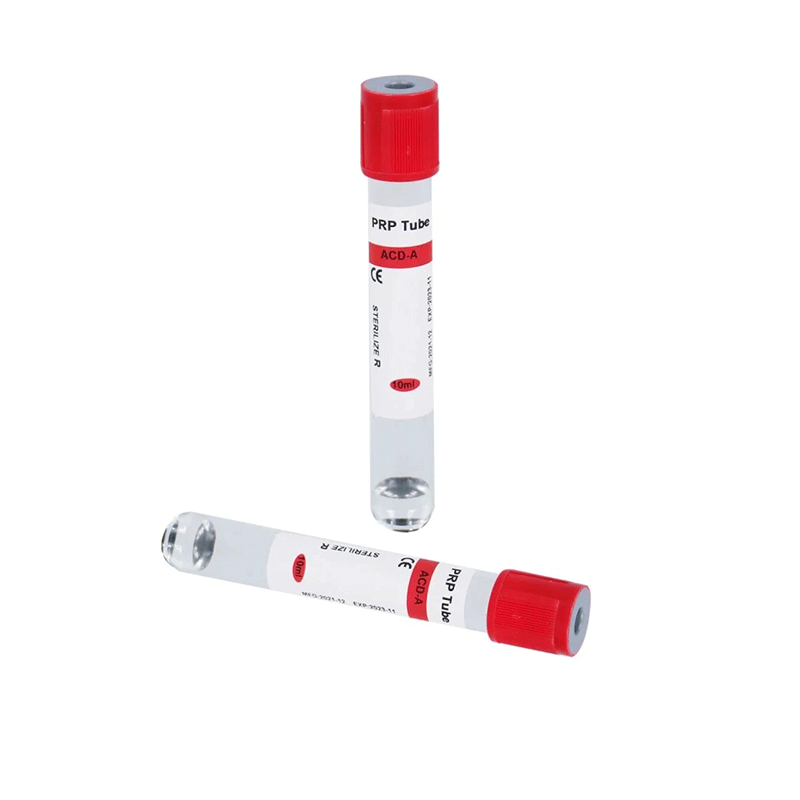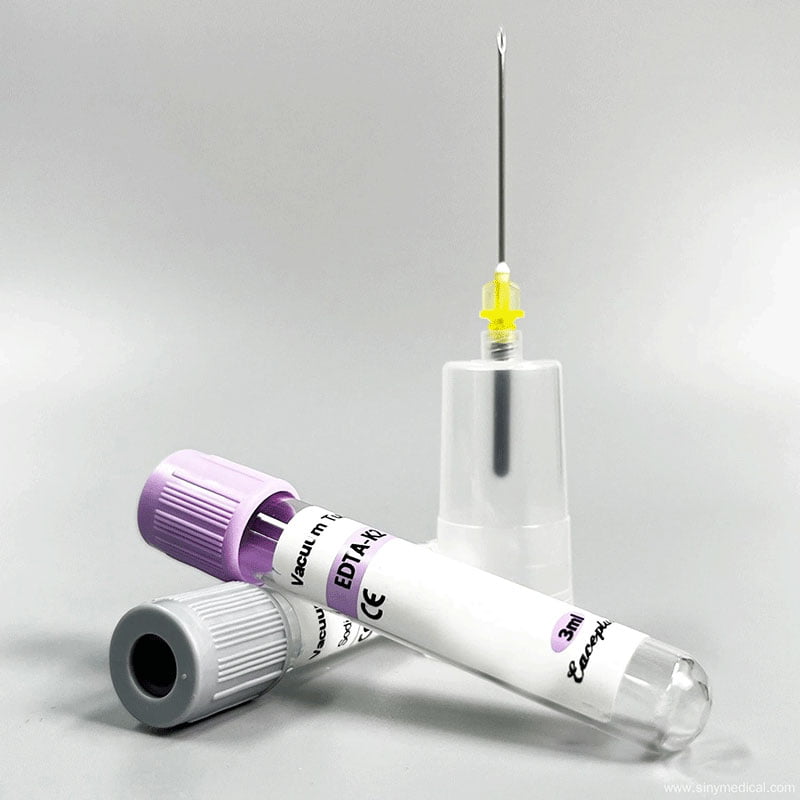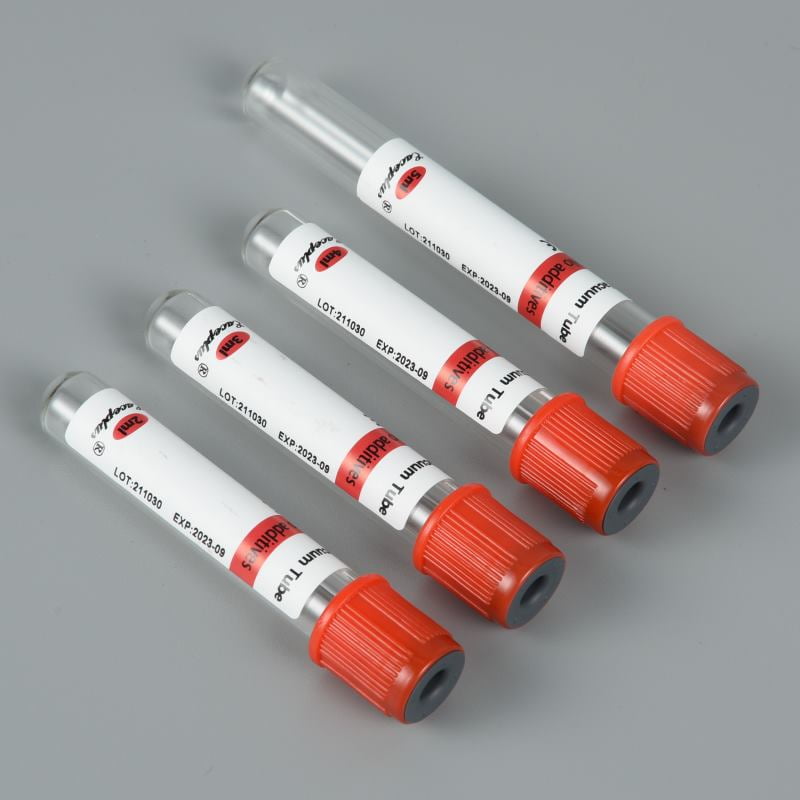
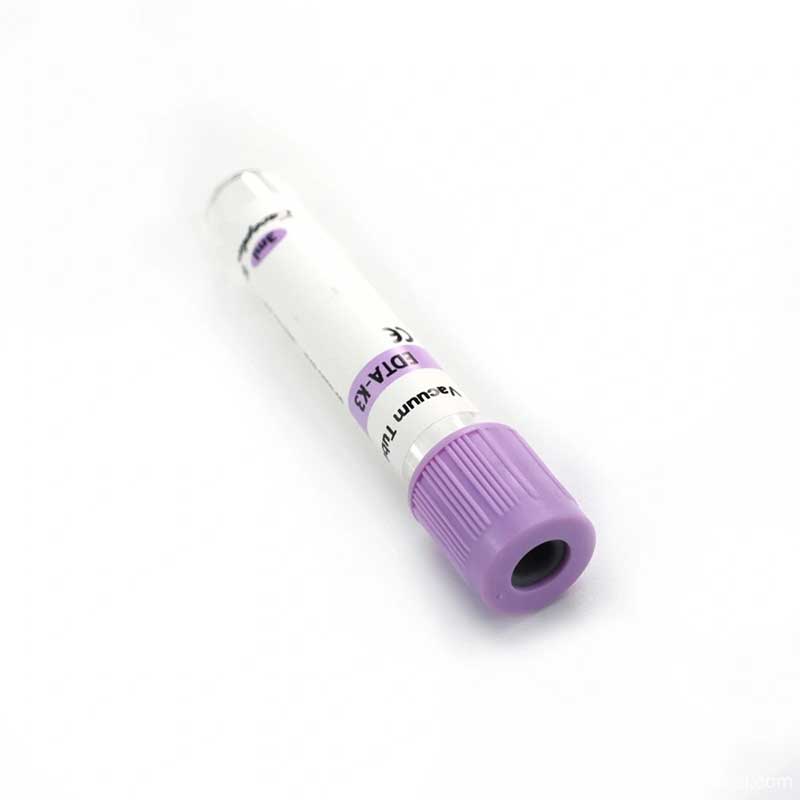

Platelet-Rich Plasma (PRP) therapy has gained immense popularity in medical and cosmetic fields due to its regenerative properties. PRP tubes are essential components of this therapy, used to separate and concentrate platelets from blood. However, proper disposal of used PRP tubes is crucial to ensure safety and compliance with medical waste regulations. In this blog, we will guide you through the steps to dispose of a used PRP tube responsibly, ensuring environmental safety and adherence to legal standards.
Table of Contents
- 1 What is a PRP Tube?
- 2 Why Proper Disposal of PRP Tubes is Important
- 3 Why You Can’t Throw Away PRP Tubes Like Regular Waste
- 4 Step-by-Step Guide: How to Dispose of a Used PRP Tube
- 5 PRP Tubes and Medical Waste Guidelines
- 6 PRP Tubes in Different Specialties: Disposal Best Practices
- 7 The Role of Manufacturers and Clinics in Safe Disposal
- 8 Wrapping It Up
What is a PRP Tube?
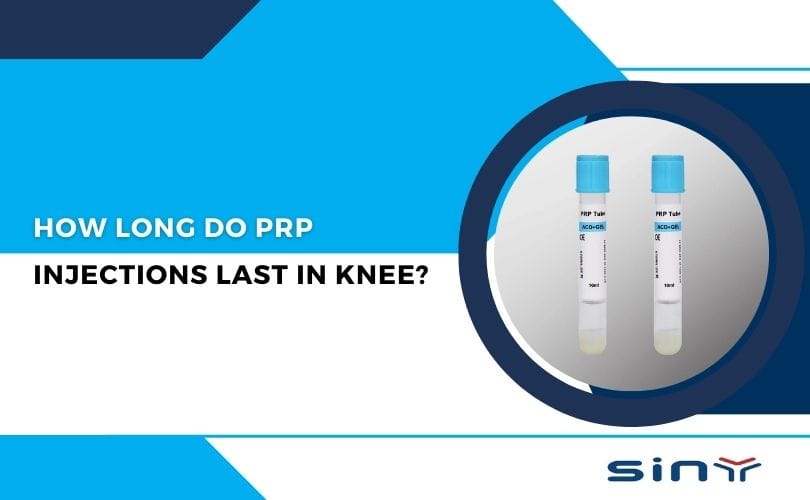
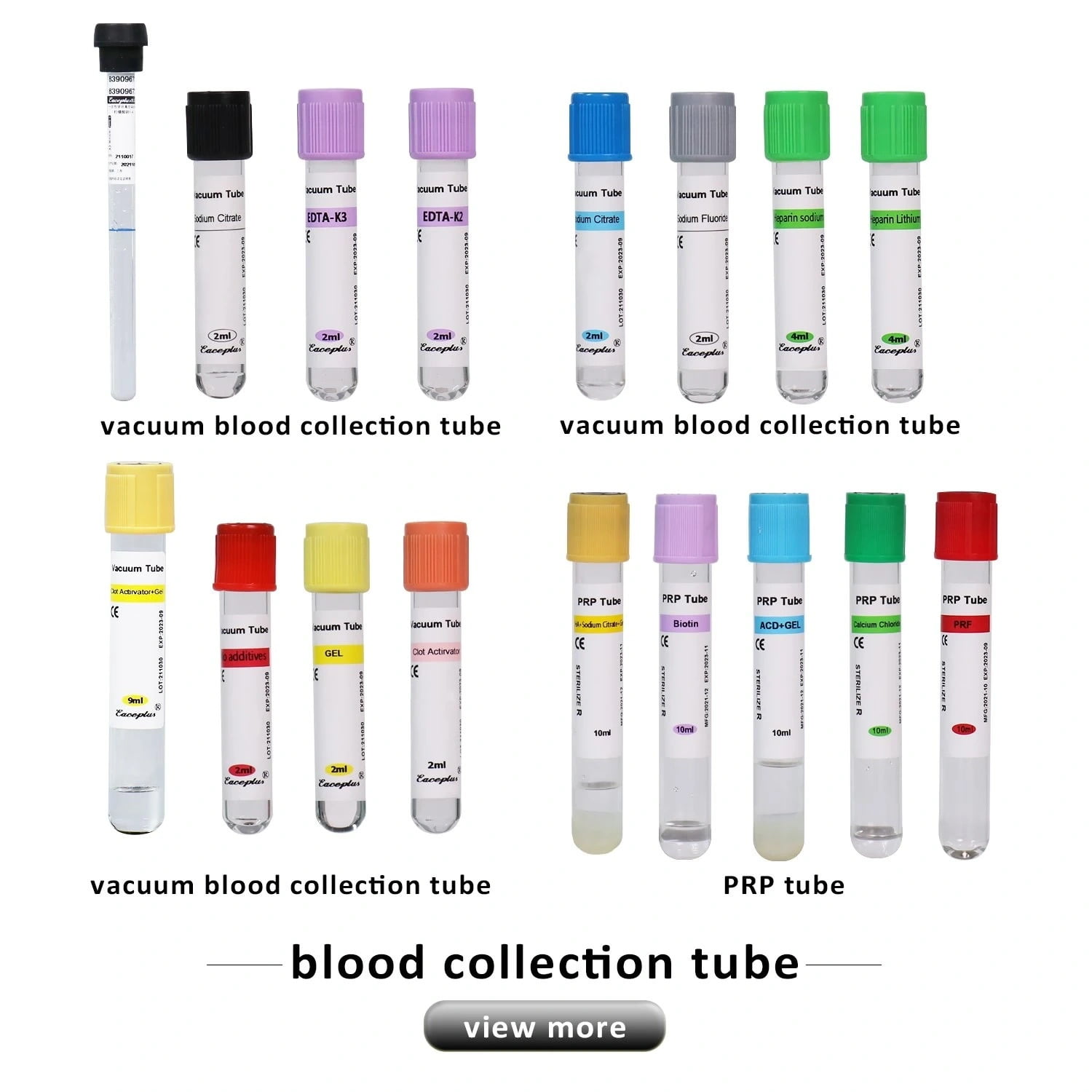
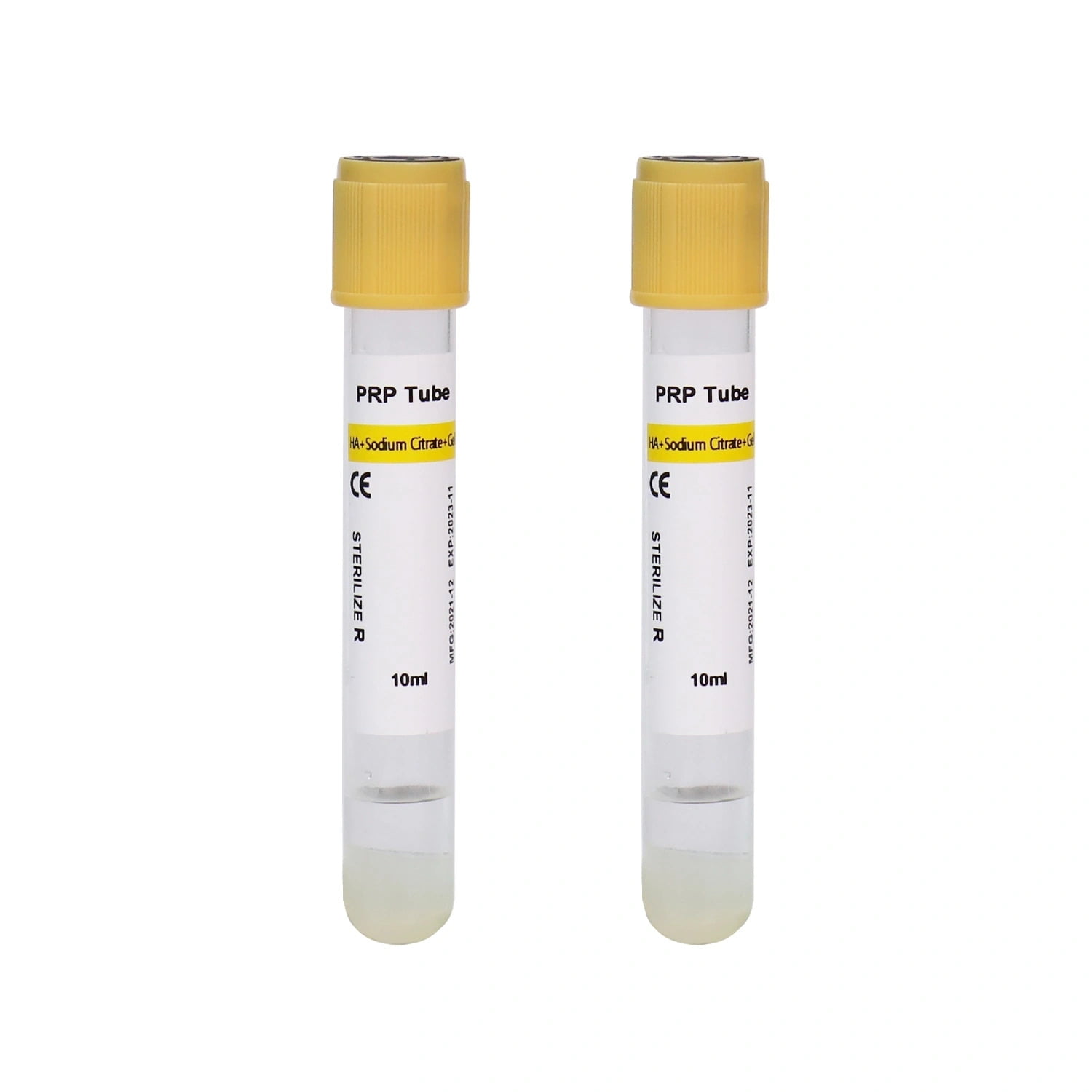
Before diving into disposal methods, let’s understand what a PRP tube is. A PRP tube is a specialized medical device designed to collect and process blood for PRP therapy. These tubes are typically made of high-quality materials like sodium citrate to prevent blood clotting and ensure optimal platelet concentration.

PRP tubes are widely used in beauty treatments, dental procedures, and orthopedic therapies. For more details on PRP tubes, visit our guide on What is a PRP Tube?.
Why Proper Disposal of PRP Tubes is Important
Improper disposal of used PRP tubes can lead to several risks:
- Environmental Harm: Medical waste can contaminate soil and water sources.
- Health Hazards: Used tubes may contain biohazardous materials, posing risks to waste handlers and the public.
- Legal Consequences: Non-compliance with medical waste disposal regulations can result in penalties.
To learn more about the risks of improper disposal, check out our article on Dispose of Blood Collection Tubes.
Why You Can’t Throw Away PRP Tubes Like Regular Waste
Unlike soda bottles or food packaging, PRP tubes contain biohazardous material. Even when emptied, traces of blood remain inside, carrying the risk of infection.
Main risks of improper disposal:
- Infection spread: HIV, Hepatitis B/C, and other pathogens.
- Needlestick injuries: A danger for sanitation workers.
- Environmental hazards: Plastic tubes may leach chemicals if dumped improperly.
- Legal consequences: Most countries have strict laws regulating biomedical waste.
To dive deeper into the subject, check out Dispose of Blood Collection Tubes.
Step-by-Step Guide: How to Dispose of a Used PRP Tube
Disposing of PRP tubes safely is a structured process. Let’s break it down:
1. Immediate Handling After Use
After blood is processed, the used tube must not be left on counters or mixed with non-medical waste. Wear gloves at all times when handling.
2. Segregation into Biohazard Containers
PRP tubes belong in biohazard waste bins marked with the universal biohazard symbol. If the tube is glass, treat it as sharps waste.
3. Temporary Storage
Used tubes should be stored in leak-proof containers until waste pickup. Healthcare facilities must follow CDC storage time limits.
4. Transportation
Medical waste companies transport sealed containers to approved disposal sites.
5. Final Disposal Methods
- Autoclaving: Uses pressurized steam to sterilize.
- Incineration: Safely destroys biohazardous waste.
- Shredding after sterilization: For certain plastics.
This ensures the tube is completely safe before disposal or recycling.
PRP Tubes and Medical Waste Guidelines
Healthcare facilities are required to follow strict disposal regulations. Depending on the region, guidelines come from:
- WHO (World Health Organization) – global best practices.
- OSHA (Occupational Safety and Health Administration) – for U.S. clinics.
- Local health departments – regional medical waste rules.
Facilities that fail to comply may face fines or license suspension. To avoid this, many clinics rely on suppliers like Siny Medical for both PRP tube supply and guidance on safe disposal practices.
PRP Tubes in Different Specialties: Disposal Best Practices
- Beauty industry: Used tubes from facials and anti-aging treatments must follow cosmetic clinic biomedical waste laws. See PRP Tubes for Beauty.
- Dental field: Dental PRP tubes used during bone grafts or implants must go into sharps containers. Learn more at PRP Tubes for Dental.
- Hair restoration: Clinics handling high PRP volume need efficient waste contracts with disposal companies.
Each specialty has the same goal—zero risk of infection.
The Role of Manufacturers and Clinics in Safe Disposal
Disposal responsibility doesn’t only lie with waste management companies. Clinics, hospitals, and manufacturers like Siny Medical play a vital role.
Manufacturers are not just suppliers—they also guide clients on:
- Storage recommendations.
- Correct handling procedures.
- Waste segregation tips.
If you need support, you can always Contact Siny Medical.
For educational videos, check out Siny Medical YouTube.
Wrapping It Up
Safe disposal of used PRP tubes isn’t optional—it’s an absolute necessity. Whether you’re running a beauty clinic, dental office, or medical practice, proper handling of PRP tubes protects patients, healthcare workers, and the environment.
If you’re looking for reliable PRP tube solutions and disposal guidance, visit:
And for bulk orders or consultation, don’t hesitate to Contact Siny Medical.