Platelet-rich plasma therapy has rapidly become one of the most popular regenerative medical treatments in recent years. From orthopedic injuries and sports medicine to dermatology and hair restoration, PRP Injection procedures are widely used to stimulate natural healing and tissue regeneration.
Despite its popularity, patients often ask an important question before undergoing treatment: How long should you rest after a PRP injection?
In most situations, doctors recommend 24 to 48 hours of rest after a PRP injection, followed by a gradual return to daily activities over the next several days. However, the exact recovery period varies depending on the treatment area, the severity of the condition, and how the platelet-rich plasma was prepared.
Understanding the correct recovery timeline is essential for maximizing treatment success. Equally important is the quality of the medical equipment used during the procedure. Clinics that use advanced PRP preparation systems—such as those available through Siny Medical—often achieve more consistent platelet concentrations and improved patient outcomes.
This comprehensive guide explains how PRP Injection recovery works, what patients should expect after treatment, and why proper preparation techniques matter for optimal results.
Table of Contents
What Is a PRP Injection?
Before discussing recovery time, it helps to understand how a PRP Injection works.
Platelet-rich plasma (PRP) is a concentrated component of a patient’s own blood. It contains high levels of platelets and growth factors, which play a critical role in tissue repair, inflammation control, and cellular regeneration.
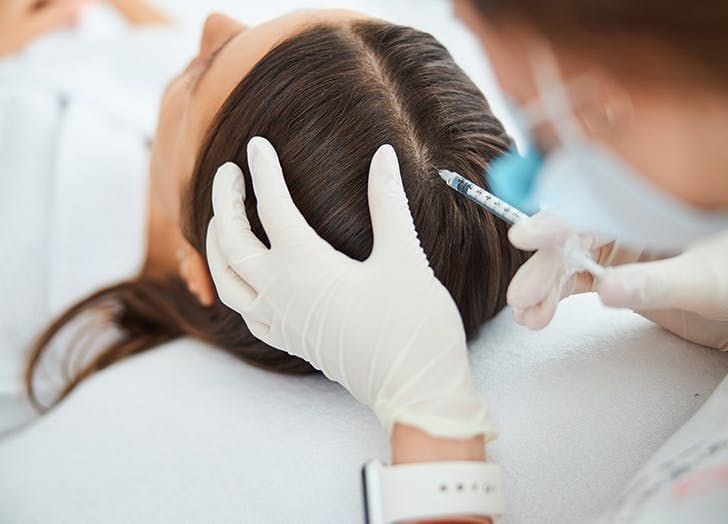
Medical professionals commonly use PRP therapy to treat conditions such as:
- Knee osteoarthritis
- Tendon injuries
- Muscle tears
- Hair loss
- Skin rejuvenation
- Dental and oral surgery recovery
Because the plasma is derived from the patient’s own blood, the treatment carries a low risk of allergic reaction or rejection.
According to research published by the American Academy of Orthopaedic Surgeons, PRP therapy may improve healing outcomes in certain orthopedic conditions by increasing growth factor activity within damaged tissues.
How PRP Is Prepared Before Injection
The effectiveness of a PRP Injection begins long before the injection itself. Proper preparation is essential to ensure a high concentration of platelets.
The process usually follows several clinical steps.
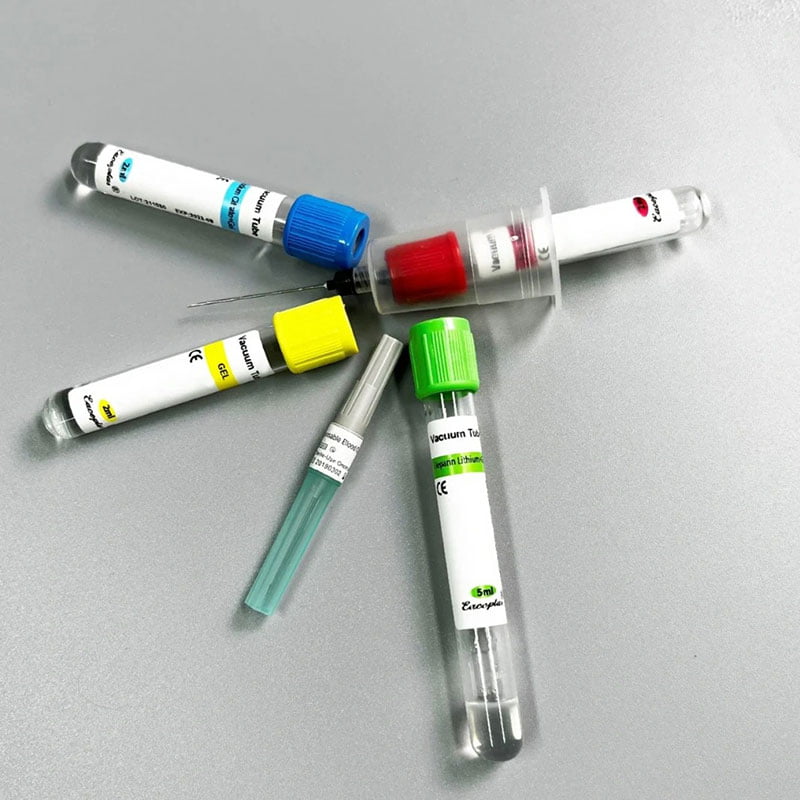
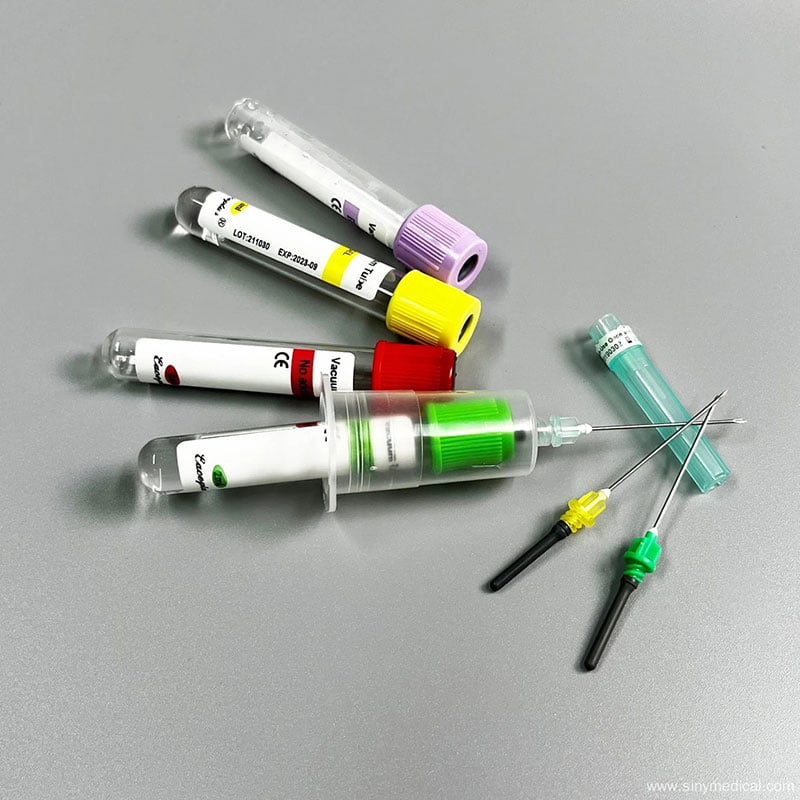
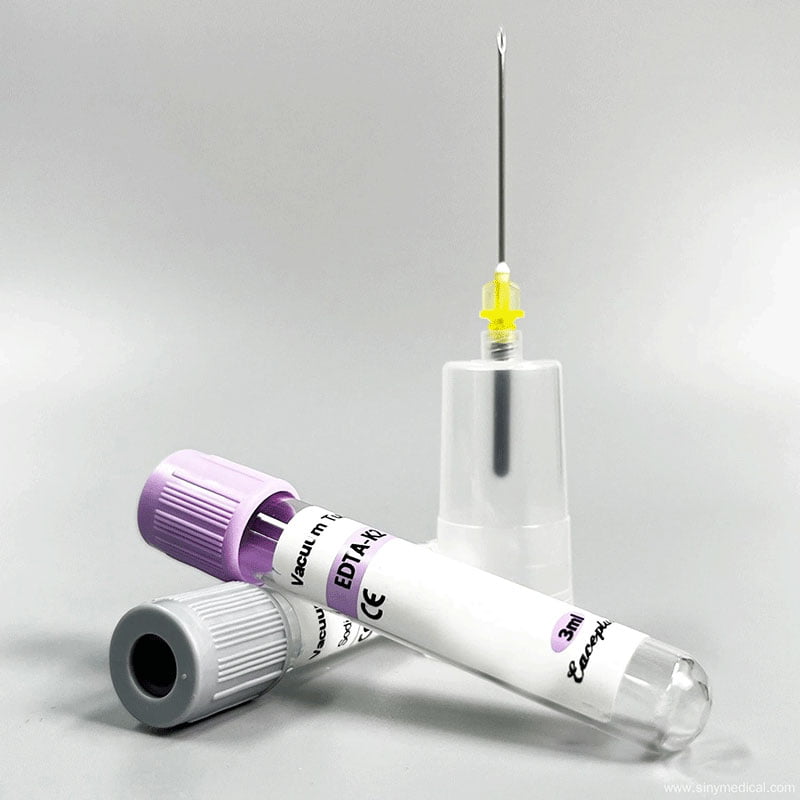
First, a healthcare provider collects a small blood sample from the patient using sterile equipment such as a blood collection needle.
If you want to understand the basic phlebotomy technique, this helpful guide from WikiHow explains how blood collection works:
https://www.wikihow.com/Draw-Blood
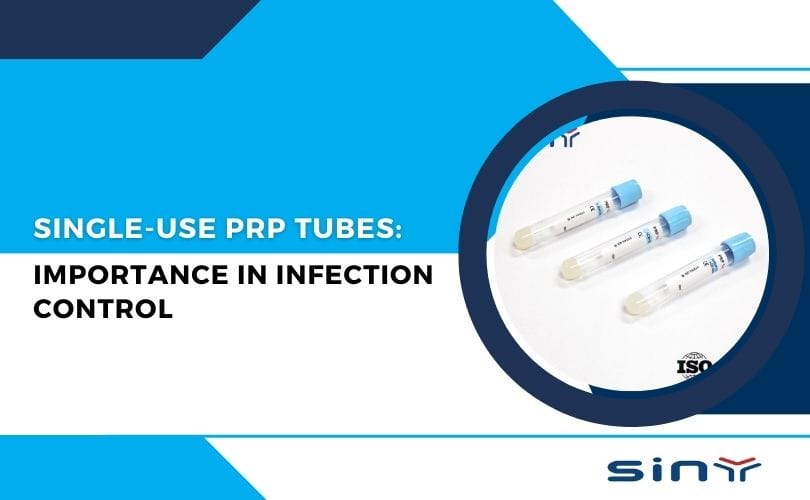
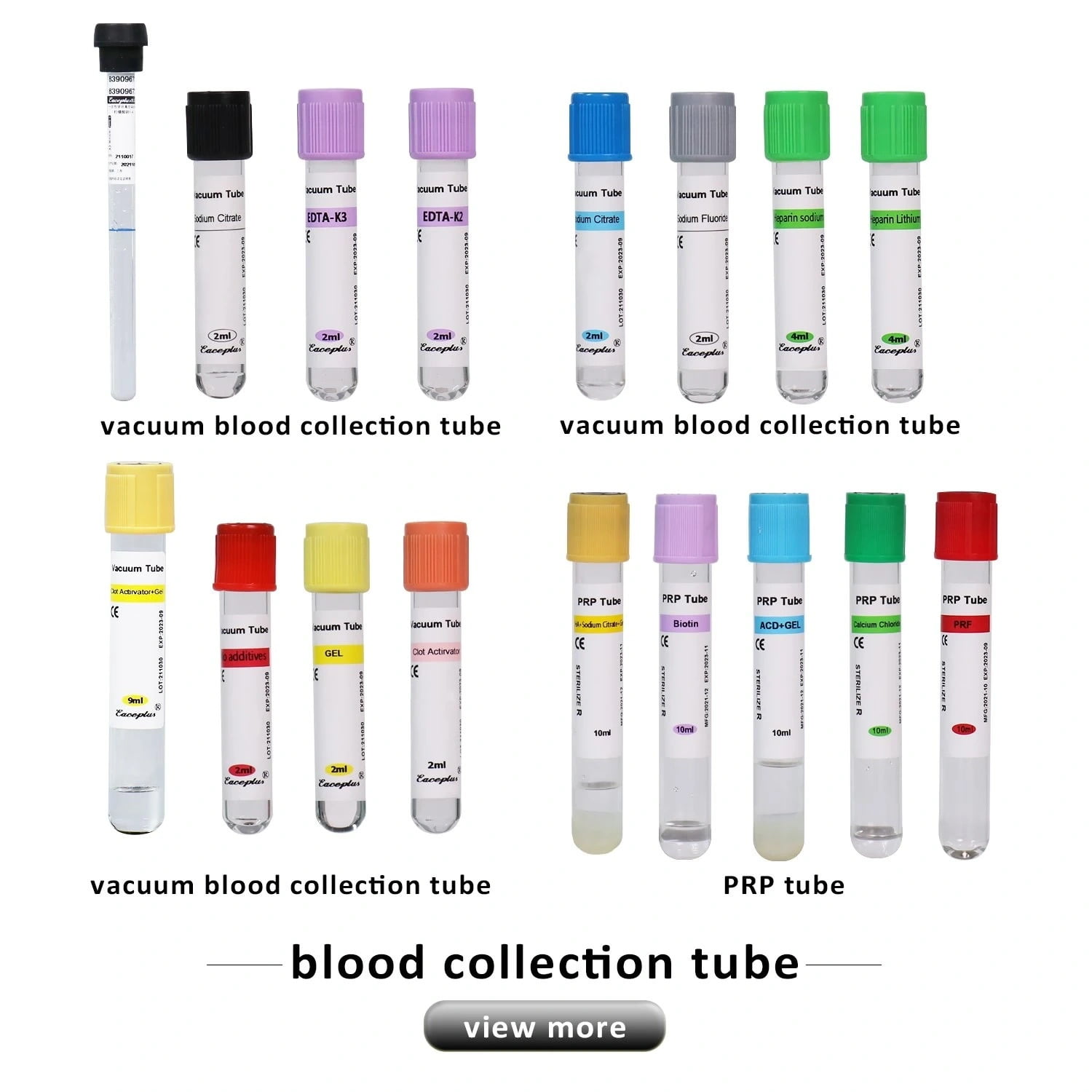
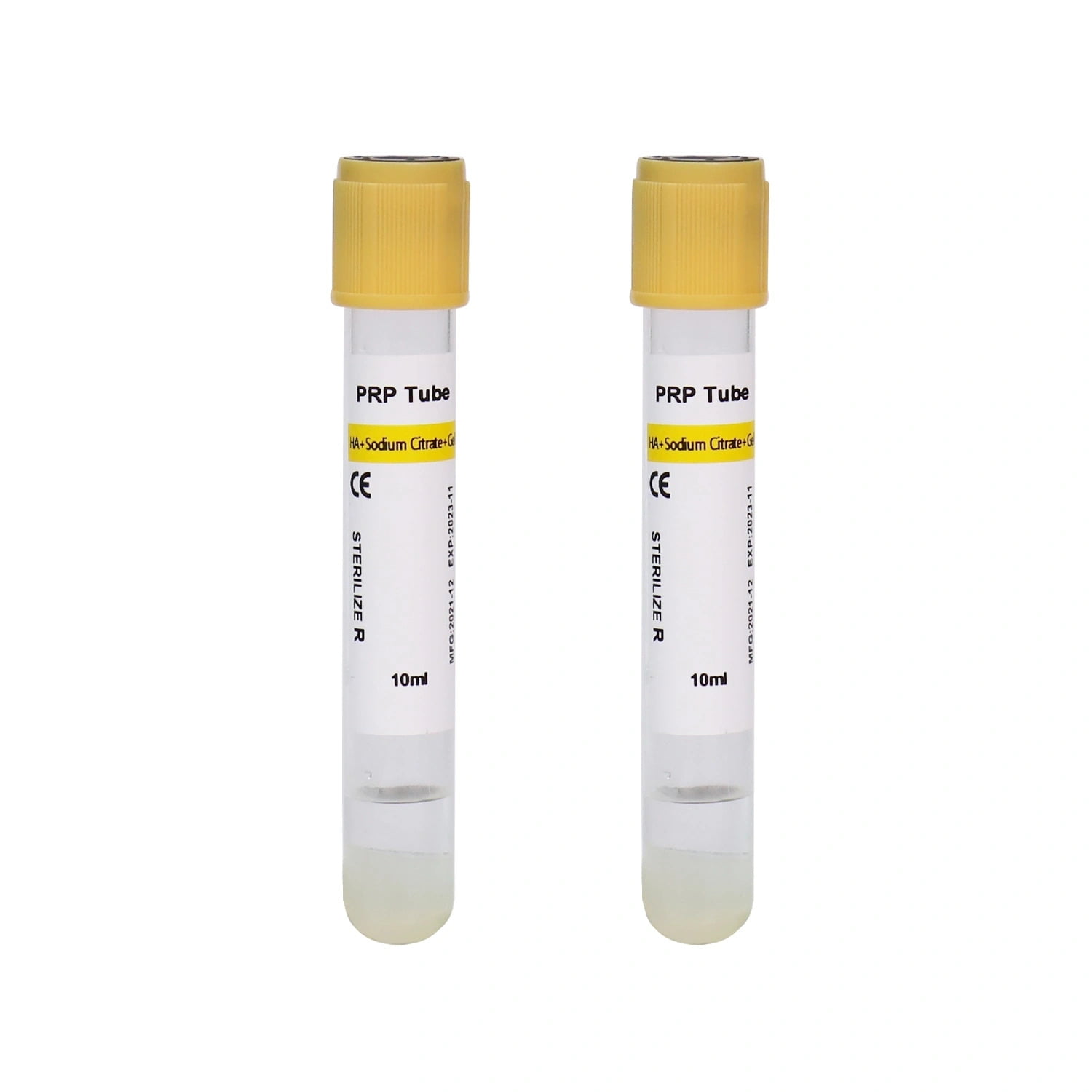
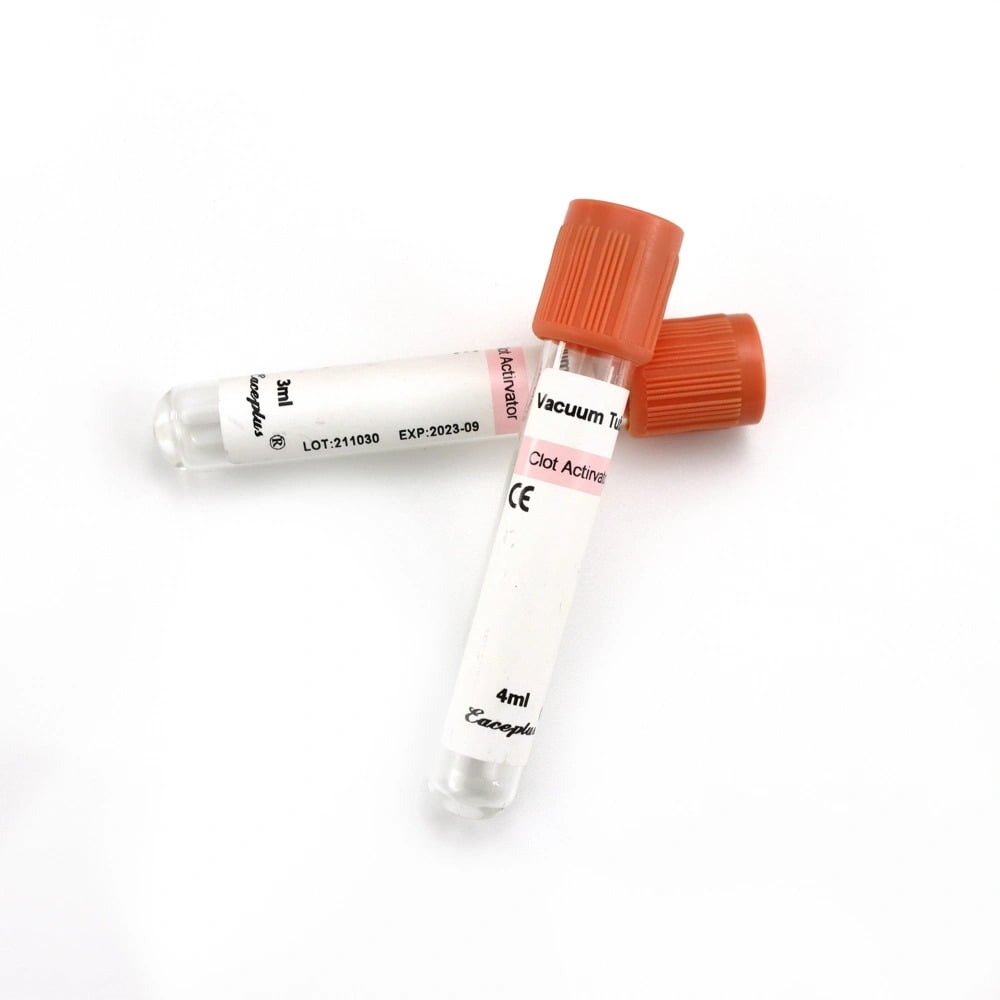
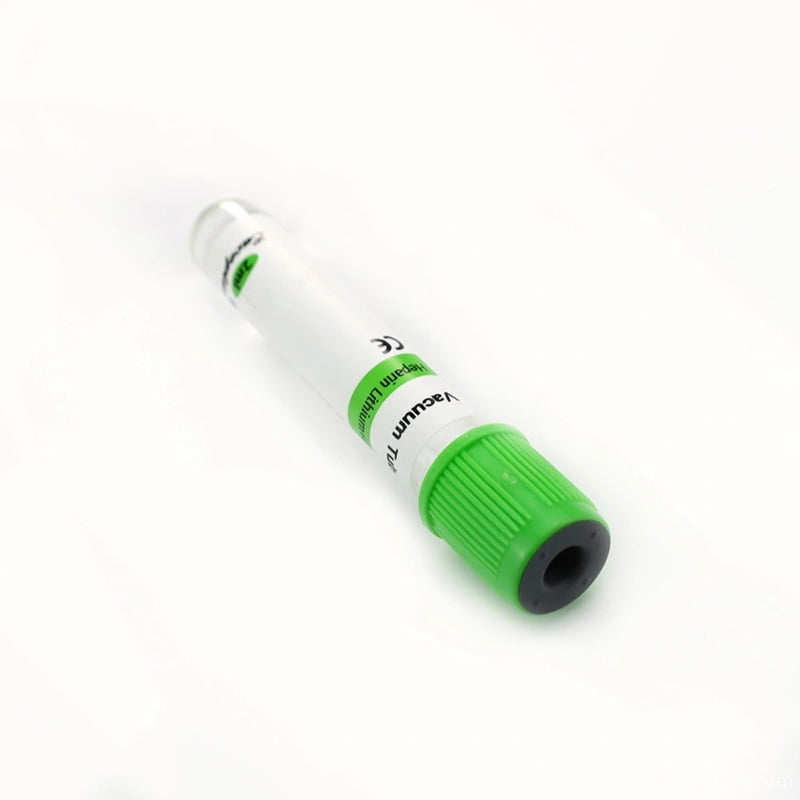
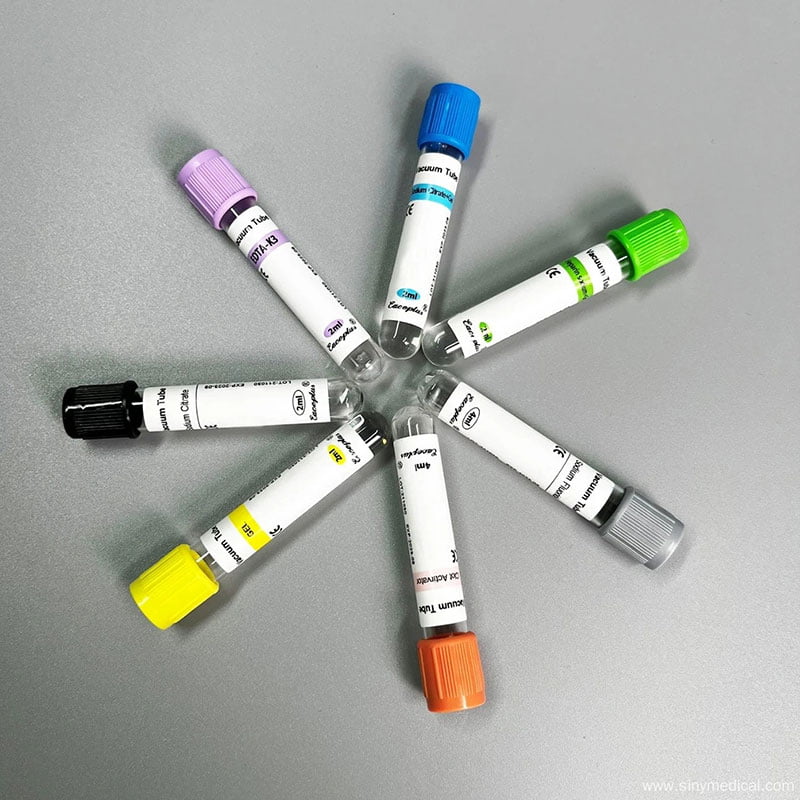
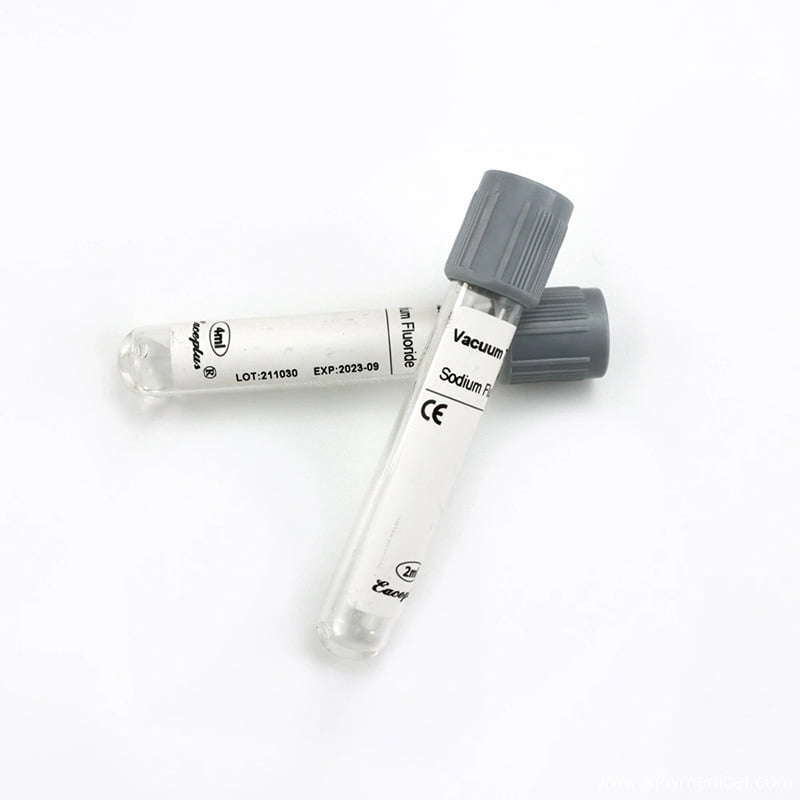
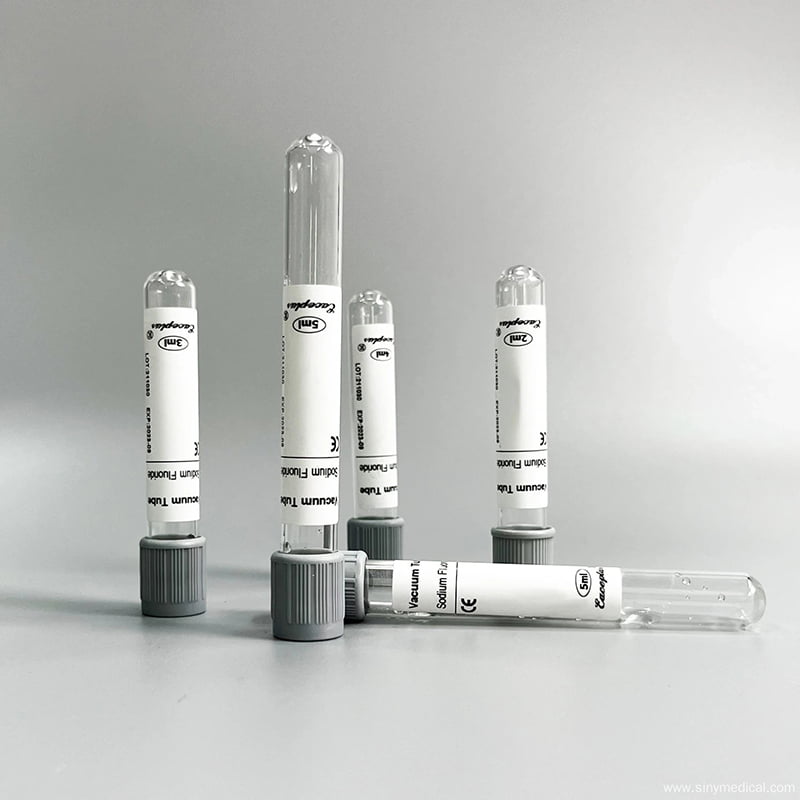
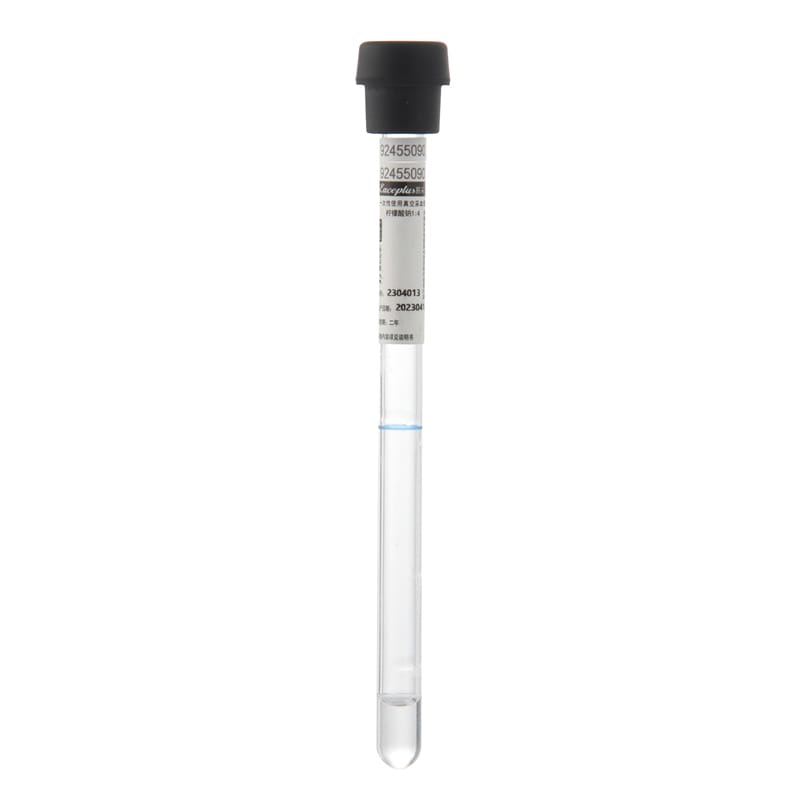
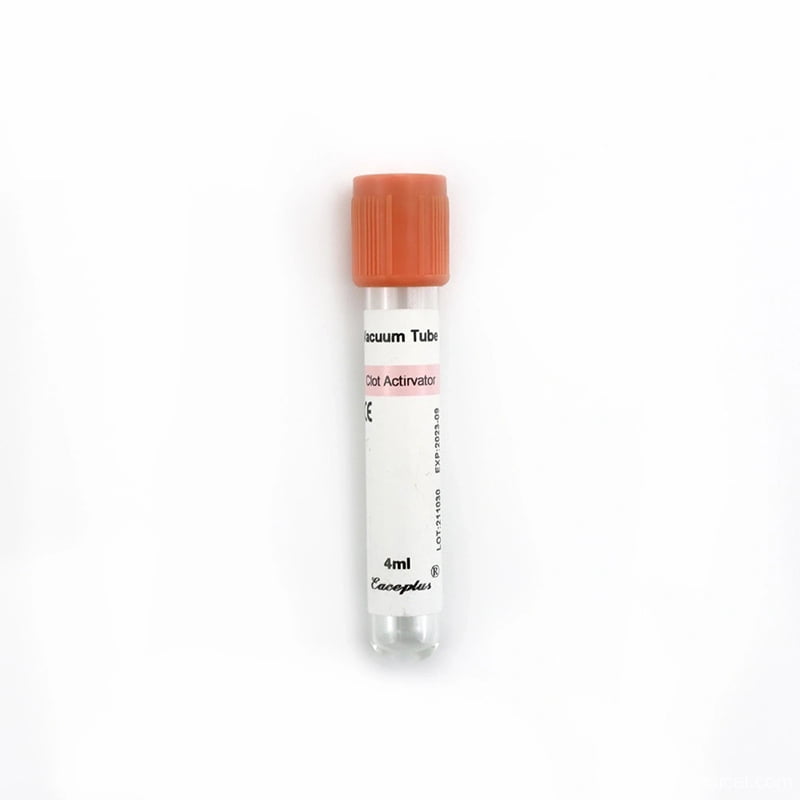
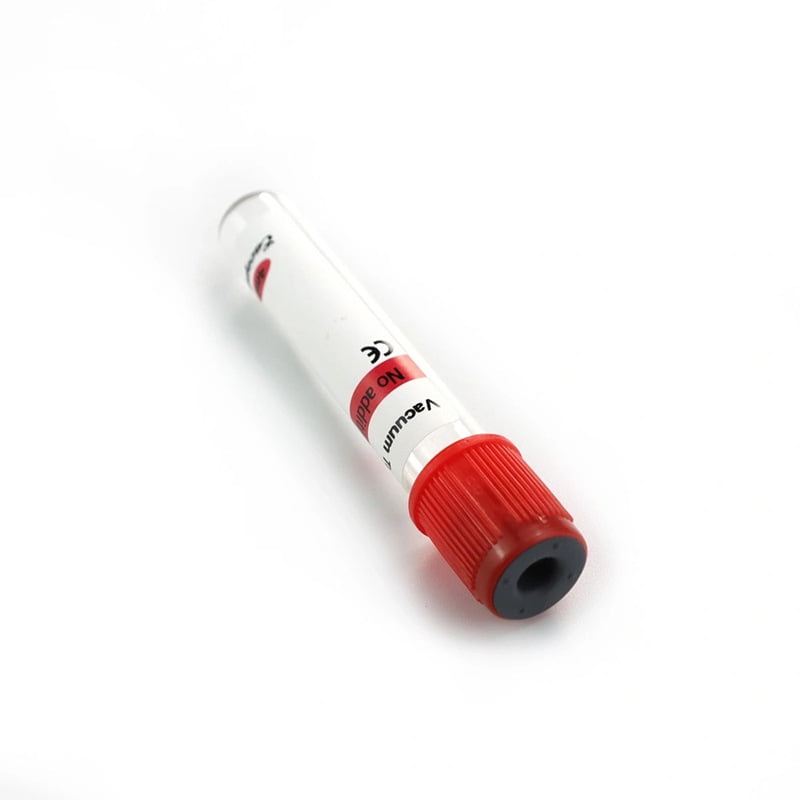
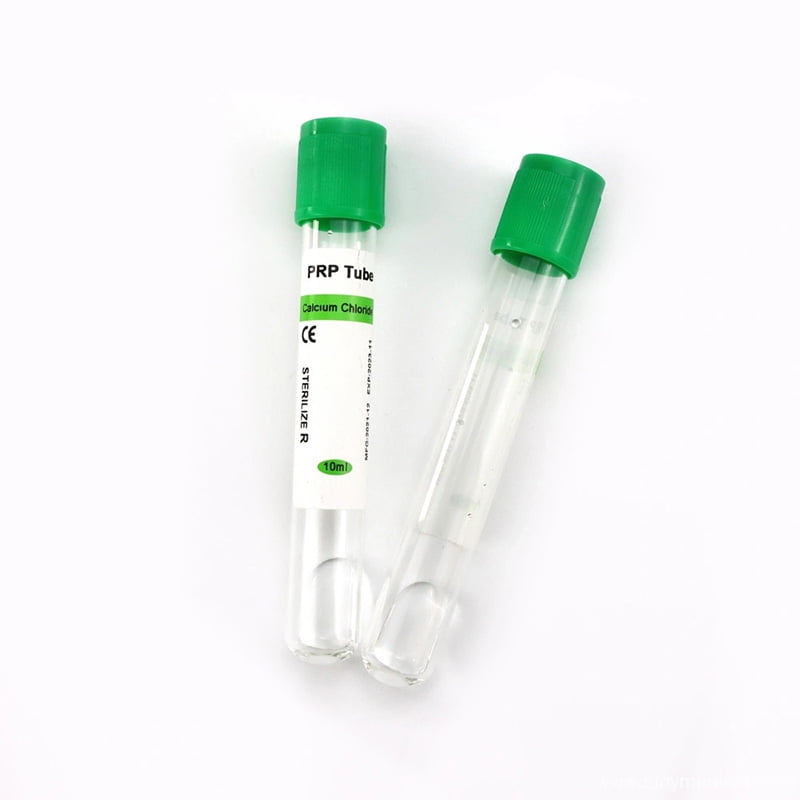
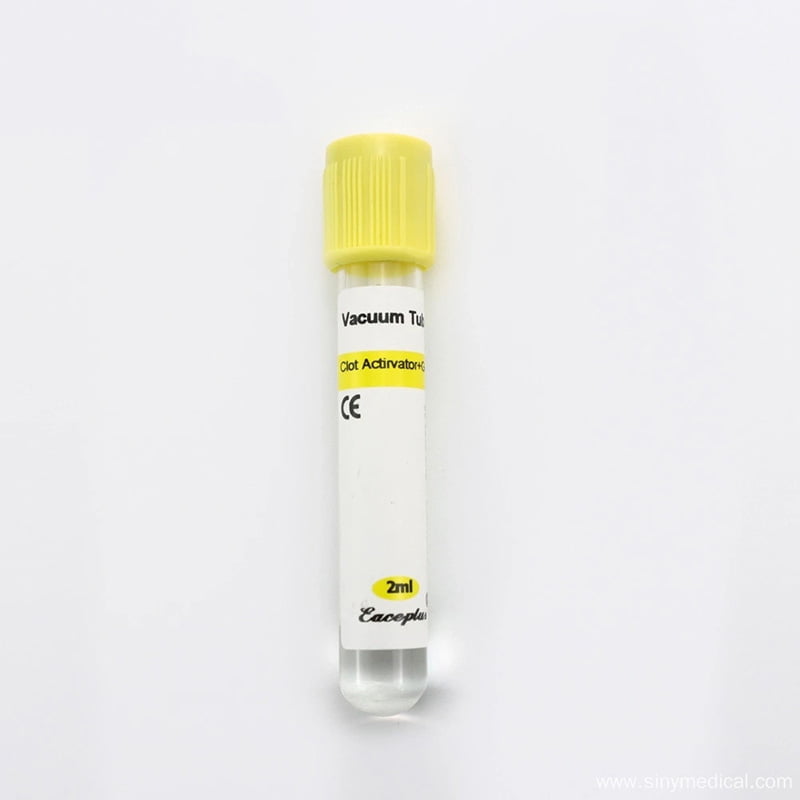
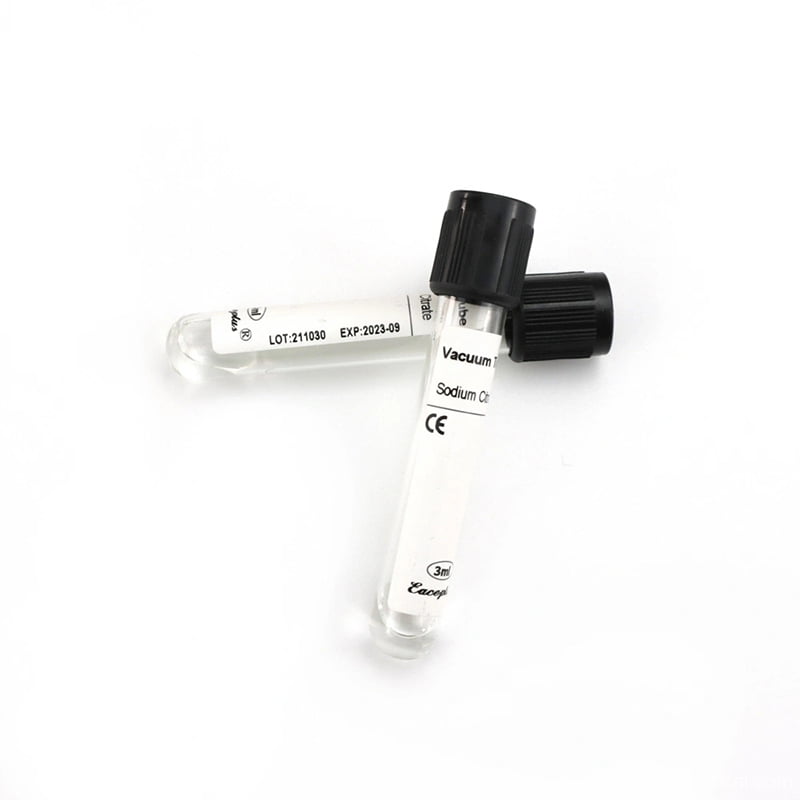
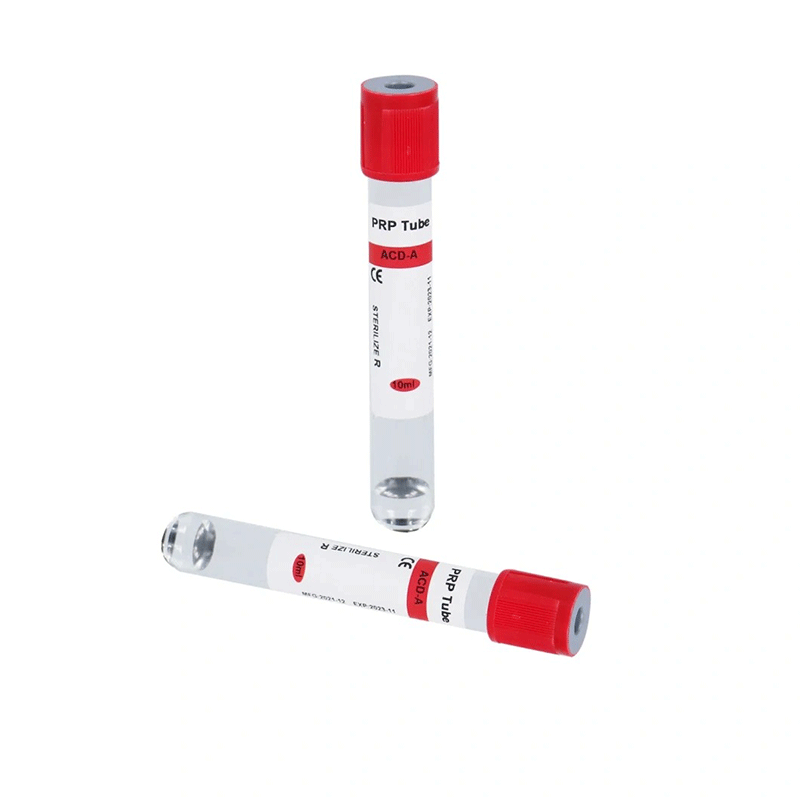
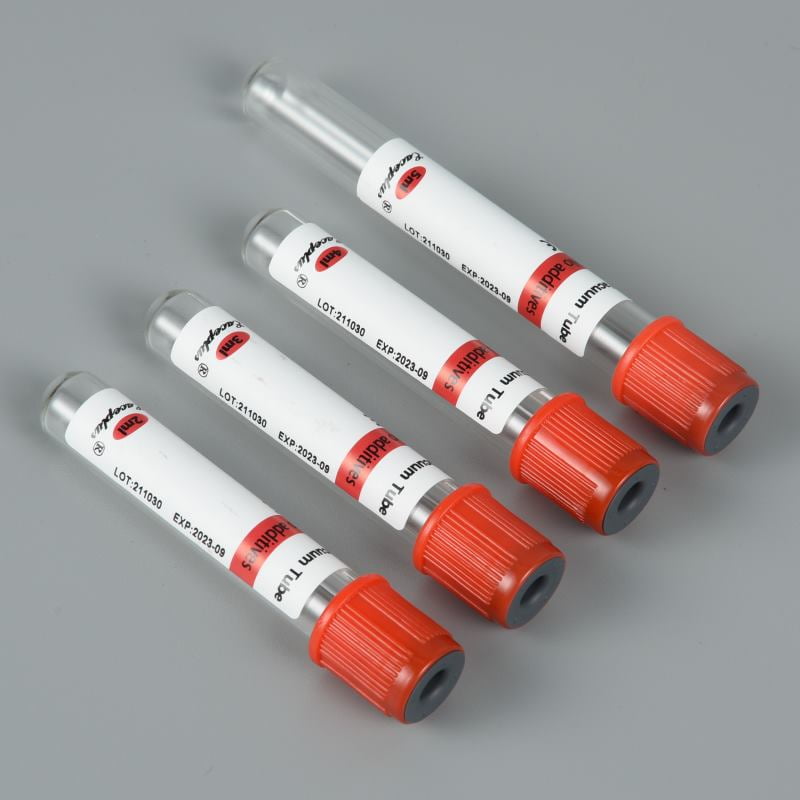
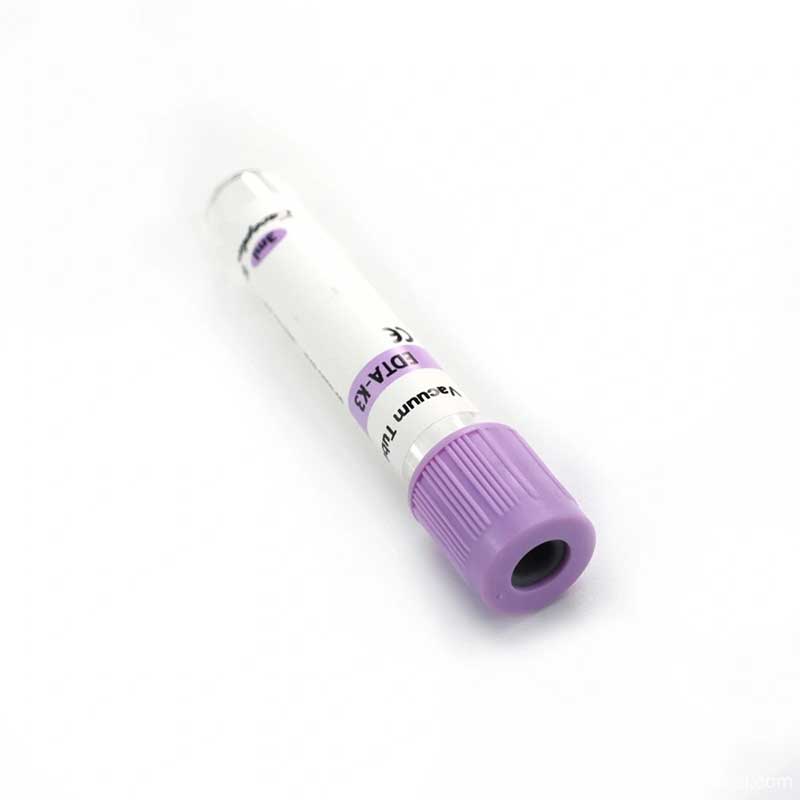
After collection, the blood is transferred into specialized tubes designed for platelet separation, such as those described in PRP tubes for medical treatments.
Next, the tubes are placed inside a centrifuge. The spinning motion separates the blood into three layers:
| Blood Component | Function |
|---|---|
| Red blood cells | Carry oxygen |
| Platelet-rich plasma | Contains healing growth factors |
| Platelet-poor plasma | Mostly plasma with fewer platelets |
The middle layer, which contains concentrated platelets, becomes the PRP used for injection.
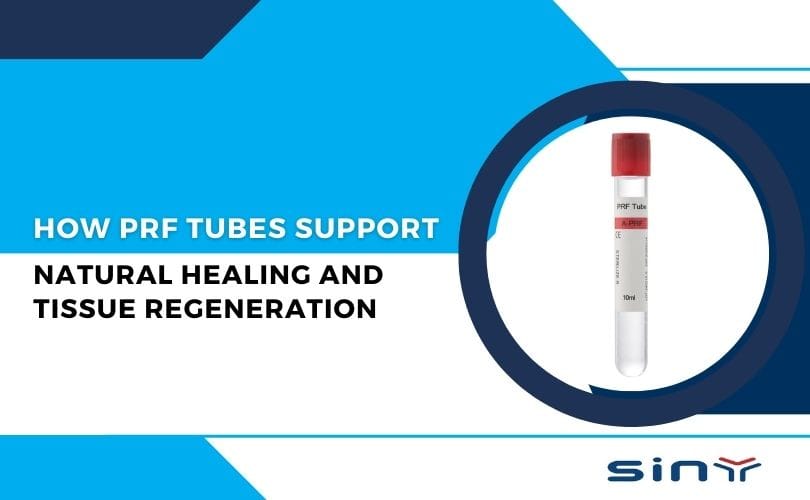
Clinics performing regenerative treatments often rely on specialized tubes such as:
- https://sinymedical.com/product/8-15ml-i-prf-tube-extraction-injection-prp
- https://www.sinymedical.com/product/10ml-prf-tube-for-knee-treatment/
- https://www.sinymedical.com/product/15ml-prp-tube-for-prp-treament/
These products are designed to maintain stable plasma separation and optimal platelet recovery.
How Long Do You Rest After a PRP Injection?
The short answer is 24 to 48 hours of rest after a PRP Injection.
However, recovery usually occurs in several stages.
First 24 Hours
Immediately after treatment, the body begins responding to the platelet growth factors.
Patients commonly experience:
- Mild swelling
- Local soreness
- Tenderness around the injection site
These symptoms are expected. They indicate that the healing response has begun.
During this period, doctors recommend:
- Resting the treated area
- Avoiding intense movement
- Staying hydrated
Light walking or gentle movement is usually acceptable.
48 Hours After Treatment
By the second day, most patients can resume light daily activities.
However, physicians still advise avoiding:
- Heavy lifting
- High-impact exercise
- Intense stretching
Anti-inflammatory medications should also be avoided because they may interfere with the natural inflammatory healing process triggered by the PRP Injection.
One Week After Treatment
Within a week, many patients begin noticing reduced pain or improved mobility.
The platelet growth factors released during the PRP Injection stimulate:
- Collagen production
- Tissue repair
- Blood vessel growth
For orthopedic injuries such as knee pain, recovery protocols may vary slightly. This detailed resource explains the process in more depth:
https://www.sinymedical.com/how-long-do-prp-injections-last-in-knee/
Two Weeks After Treatment
By the second week, many patients can return to normal activities.
However, athletes and individuals recovering from tendon injuries may need longer rehabilitation periods.
Some doctors recommend physical therapy to maximize recovery after PRP therapy.
Additional guidance is available in this aftercare article:
https://www.sinymedical.com/after-prp-injection-care-guide/
Why PRP Tube Quality Matters for Treatment Success
Many discussions about PRP focus on the injection itself, but the preparation stage is equally important.
Platelet concentration varies significantly depending on the type of tube used, the gel barrier formulation, and the centrifugation protocol. Poor separation can lead to contamination with red blood cells or reduced platelet yield.
High-quality PRP tubes are designed to achieve:
- Stable plasma separation
- Minimal red blood cell contamination
- High platelet recovery rates
- Consistent clinical results
For clinics performing PRP therapy regularly, these factors directly influence treatment reliability. Even small differences in tube design can affect platelet concentration and growth factor release.
Because of this, many healthcare providers carefully evaluate their PRP preparation systems before selecting a long-term supplier. Manufacturers like Siny Medical specialize in PRP collection tubes designed specifically for regenerative medicine applications, helping clinics maintain consistent platelet concentrations during centrifugation.
PRP Applications in Modern Medicine
The use of PRP Injection therapy has expanded rapidly across multiple medical specialties.
Orthopedic Medicine
Doctors use PRP injections to treat joint pain, ligament injuries, and tendon damage.
Studies suggest PRP may improve outcomes for knee osteoarthritis and tennis elbow.
You can explore more information about treatment effectiveness here:
Hair Restoration
Dermatologists often use PRP therapy to stimulate hair growth.
Platelet growth factors activate hair follicles and improve scalp circulation.
For more information about this treatment, read:
https://www.sinymedical.com/does-prp-really-regrow-hair/
Dental and Oral Surgery
Dentists also use PRP and PRF technology to accelerate healing after tooth extractions and implant surgery.
Learn more here: https://www.sinymedical.com/prp-tubes-for-dental/
Summary
A PRP Injection is a powerful regenerative treatment that stimulates the body’s natural healing process. Most patients only need 24 to 48 hours of rest, followed by a gradual return to normal activities.
However, successful outcomes depend on more than just recovery time. Proper PRP preparation, sterile blood collection, and high-quality separation tubes all contribute to effective platelet concentration.
Healthcare providers seeking reliable medical devices and PRP preparation systems can explore the full product range.
When performed correctly, PRP Injection therapy offers a safe, minimally invasive solution for tissue regeneration, pain relief, and improved healing outcomes.
FAQs
1. How long should I rest after a PRP injection?
Most patients should rest for 24 to 48 hours after a PRP Injection. Light movement is acceptable, but intense activity should be avoided.
2. Can I exercise after a PRP injection?
Exercise should be avoided for at least several days. Doctors usually recommend returning to sports one to two weeks after a PRP Injection, depending on the injury.
3. Is swelling normal after a PRP injection?
Yes. Mild swelling and soreness are common after a PRP Injection because platelets trigger an inflammatory healing response.
4. When will I see results from a PRP injection?
Patients often begin noticing improvement two to six weeks after a PRP Injections, although full healing may take longer.
5. Does PRP injections recovery depend on the treatment area?
Yes. Recovery after a PRP Injections varies depending on whether the treatment targets joints, muscles, skin, or hair follicles.