Platelet-rich plasma therapy has become one of the most discussed regenerative treatments in orthopedics. Many patients searching online ask the same question: Long Do PRP Injections last in knee treatments? Understanding the real duration of PRP results helps patients, clinicians, and healthcare providers set realistic expectations.
PRP therapy uses a patient’s own blood to create a highly concentrated mixture of platelets and growth factors. These components stimulate tissue repair and help reduce inflammation in damaged joints. Because PRP is derived from the patient’s blood, it is considered a natural treatment compared to corticosteroid injections or synthetic alternatives.
Clinical studies suggest that PRP injections for knee conditions can provide relief for 6 to 12 months, with some patients experiencing benefits for up to 18 months depending on several biological and procedural factors. These include patient age, severity of knee damage, preparation quality, and post-treatment care.
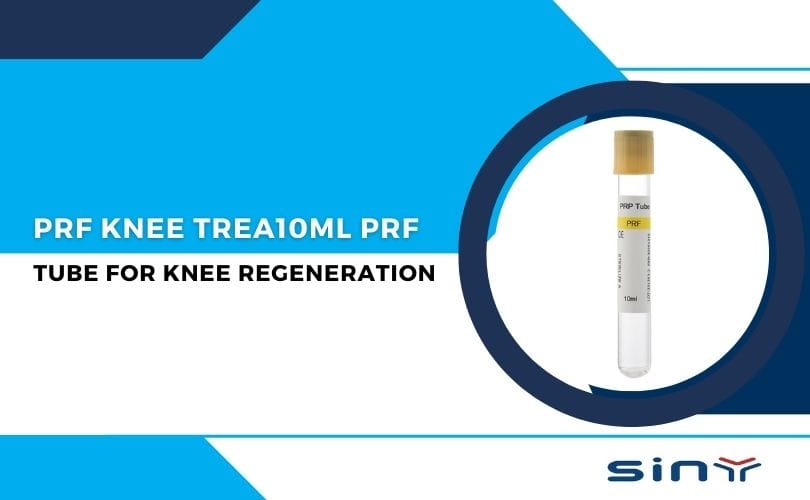
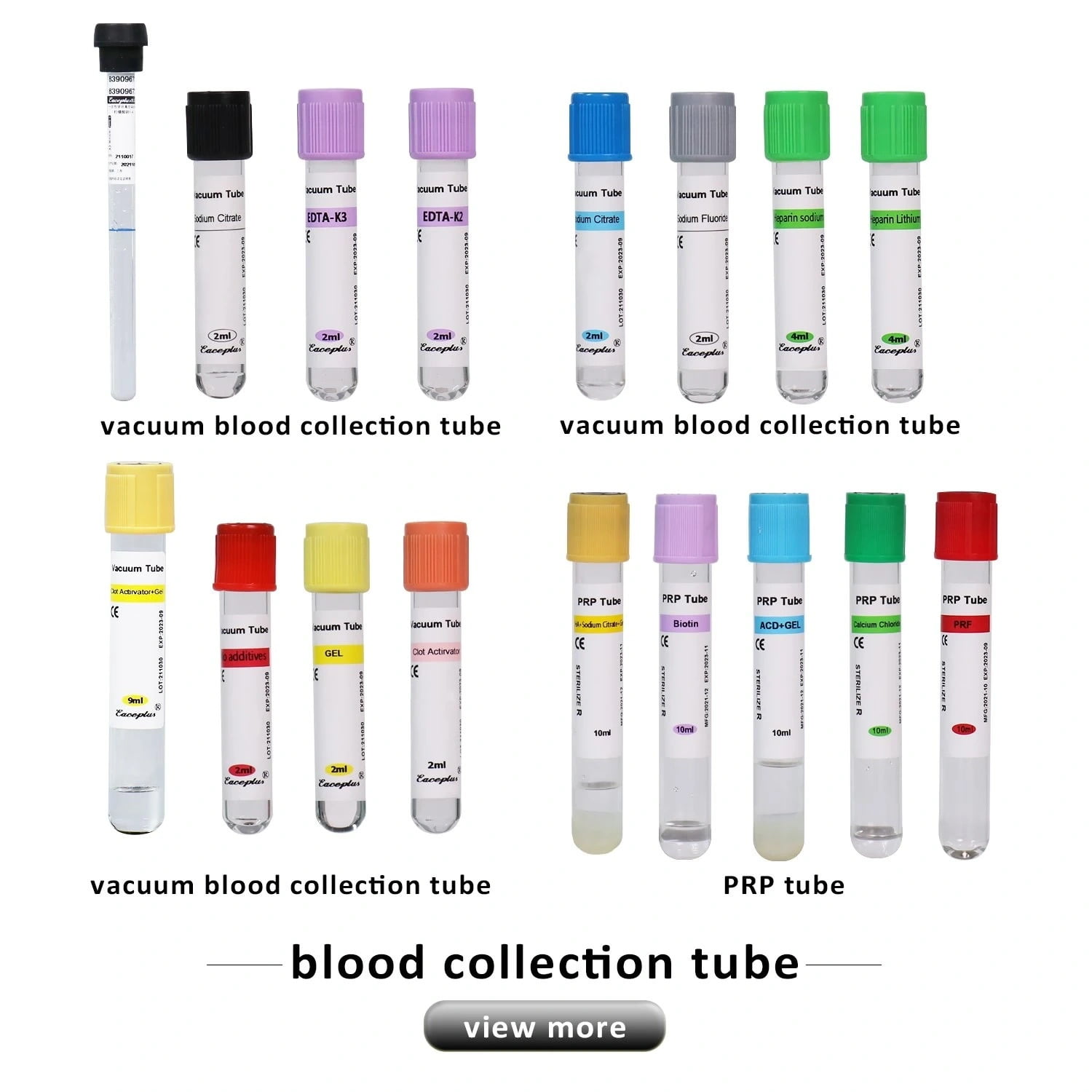
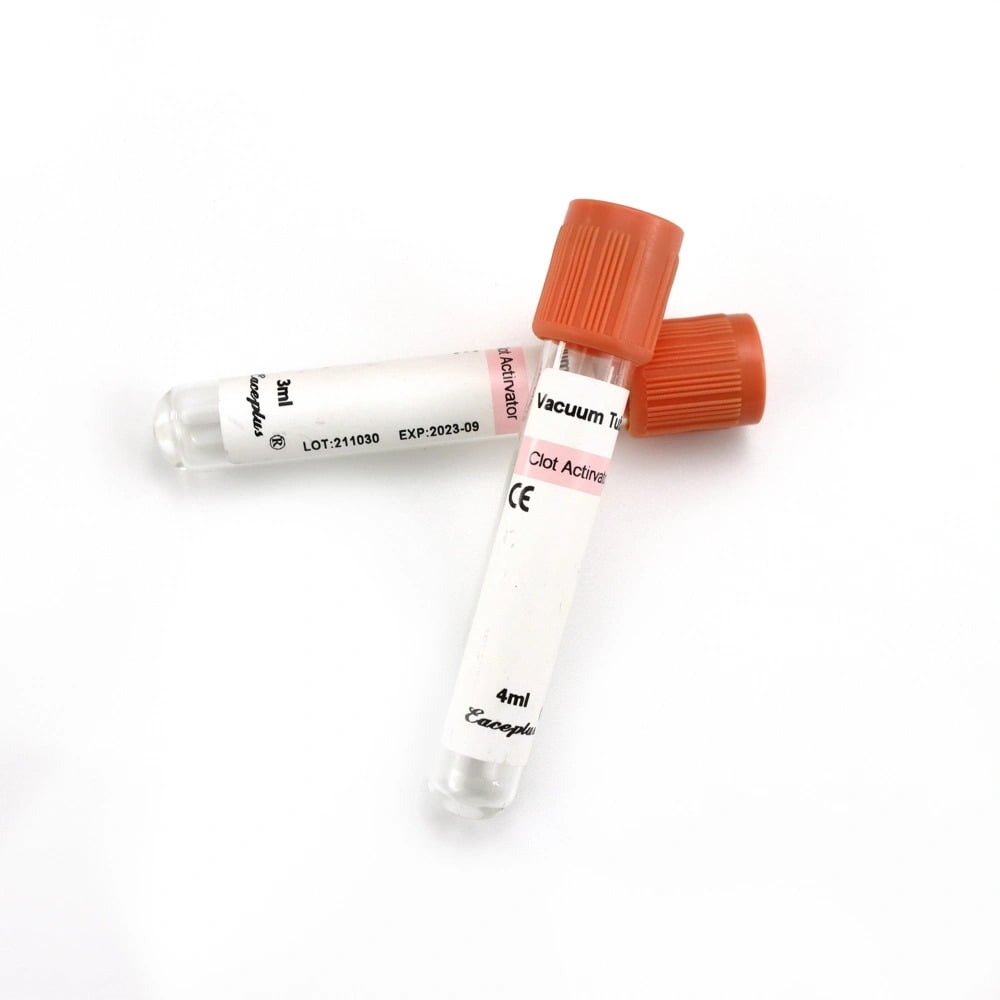
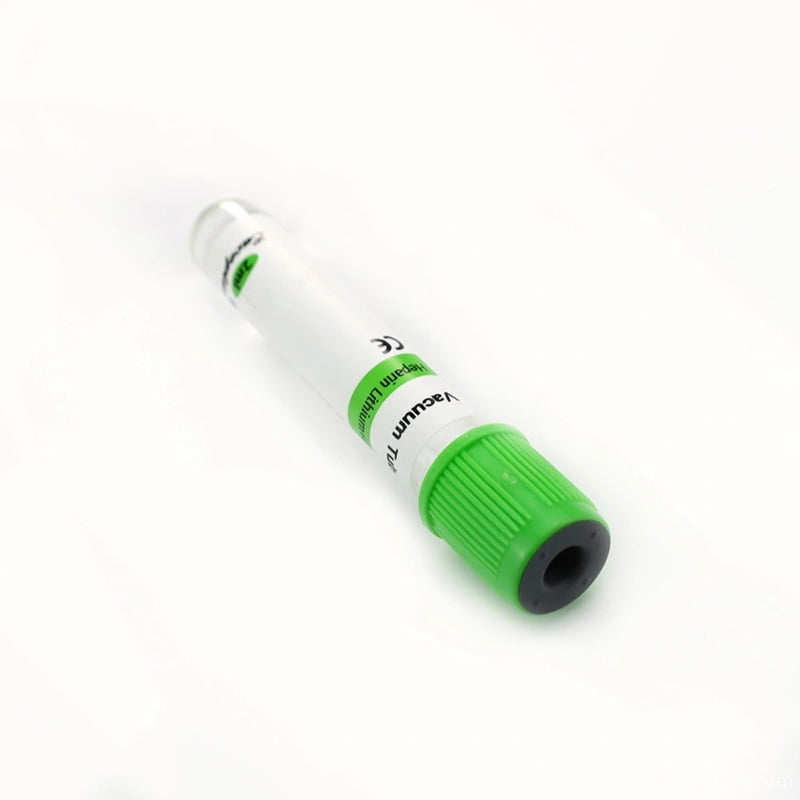
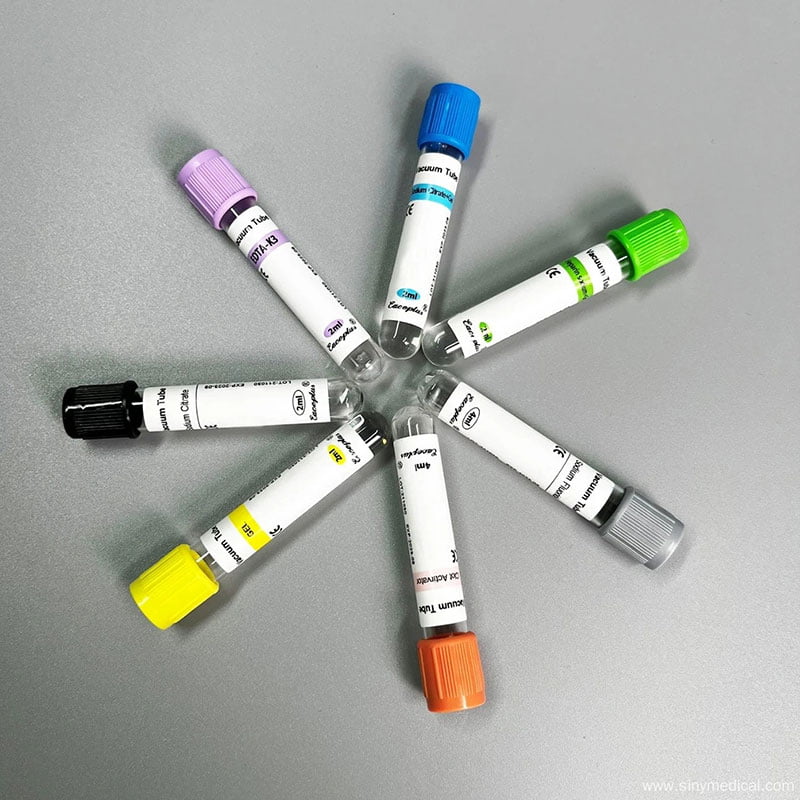
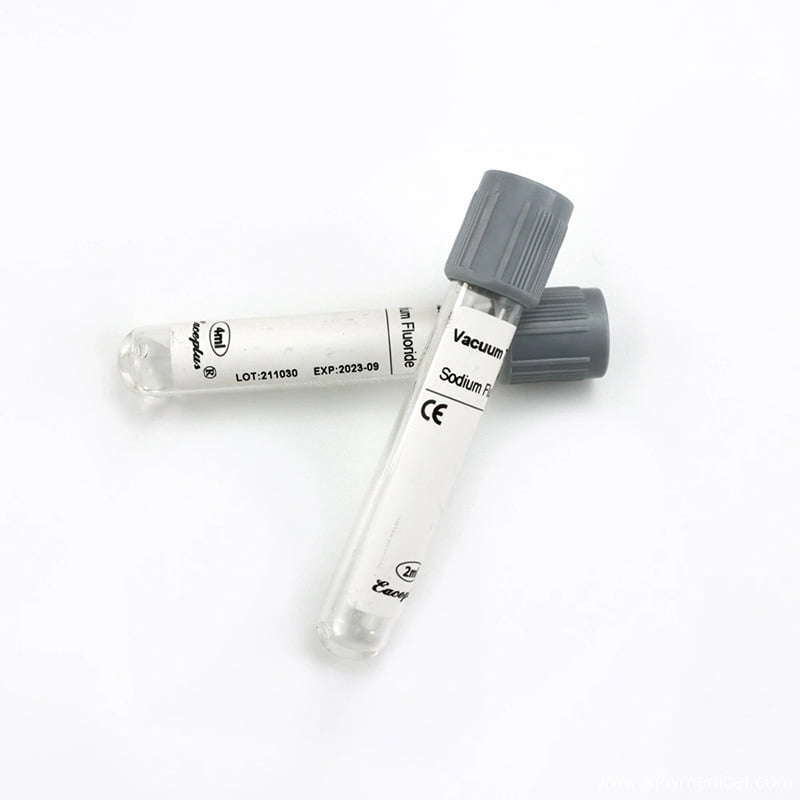
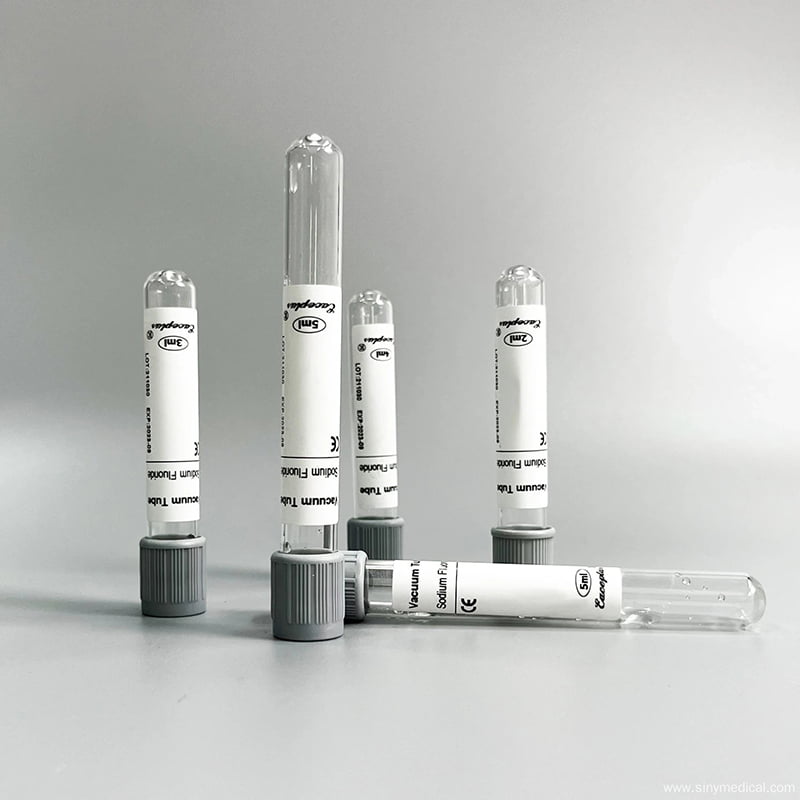
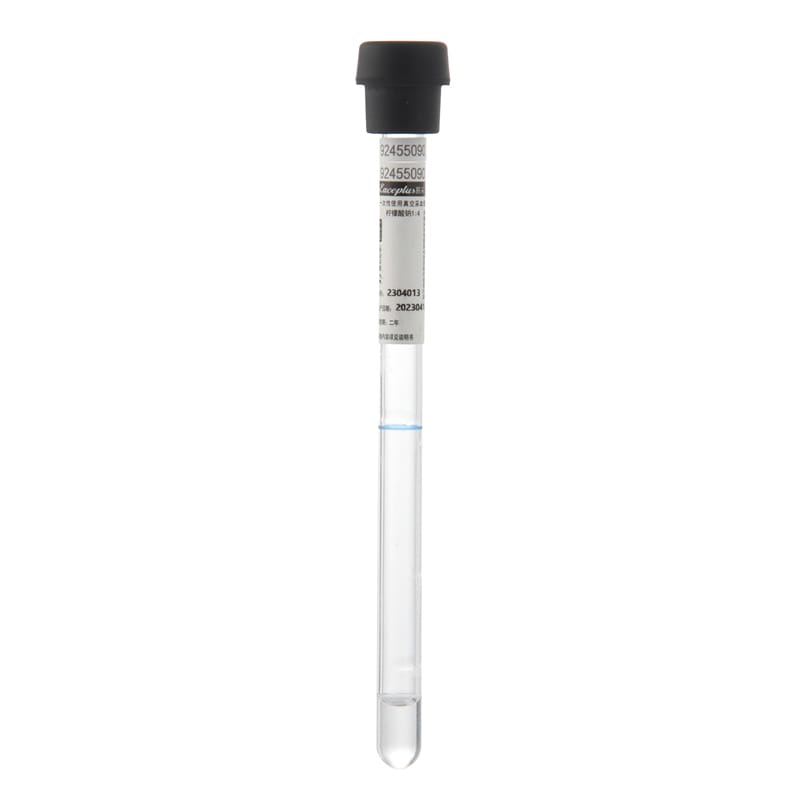
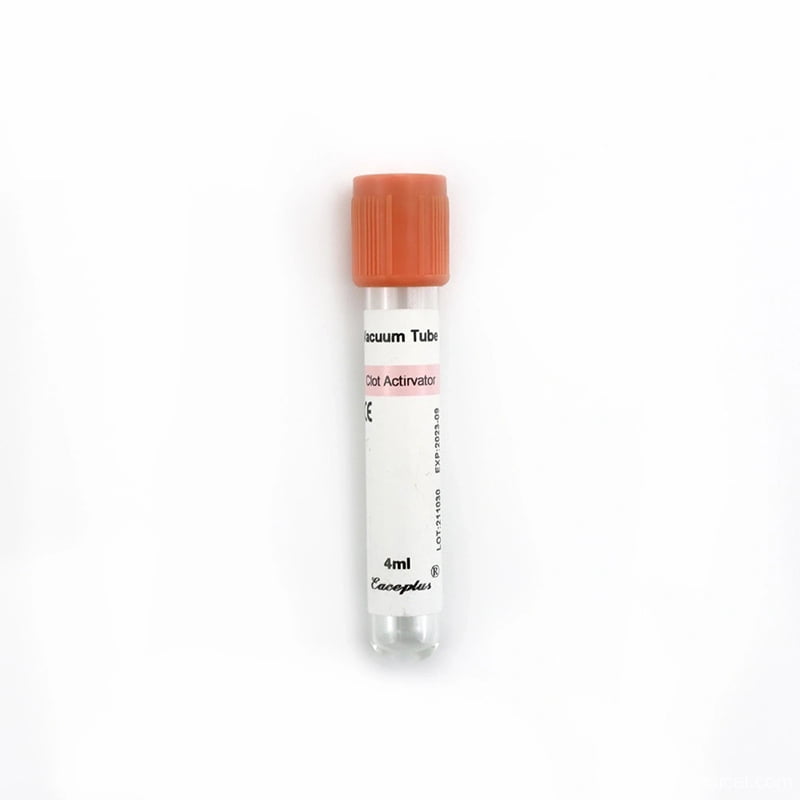
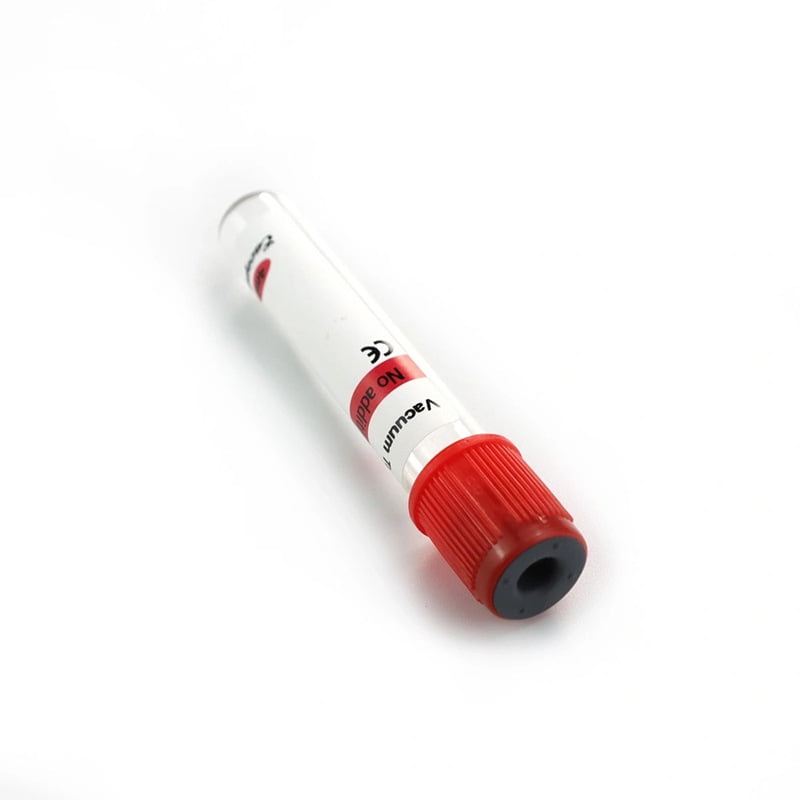
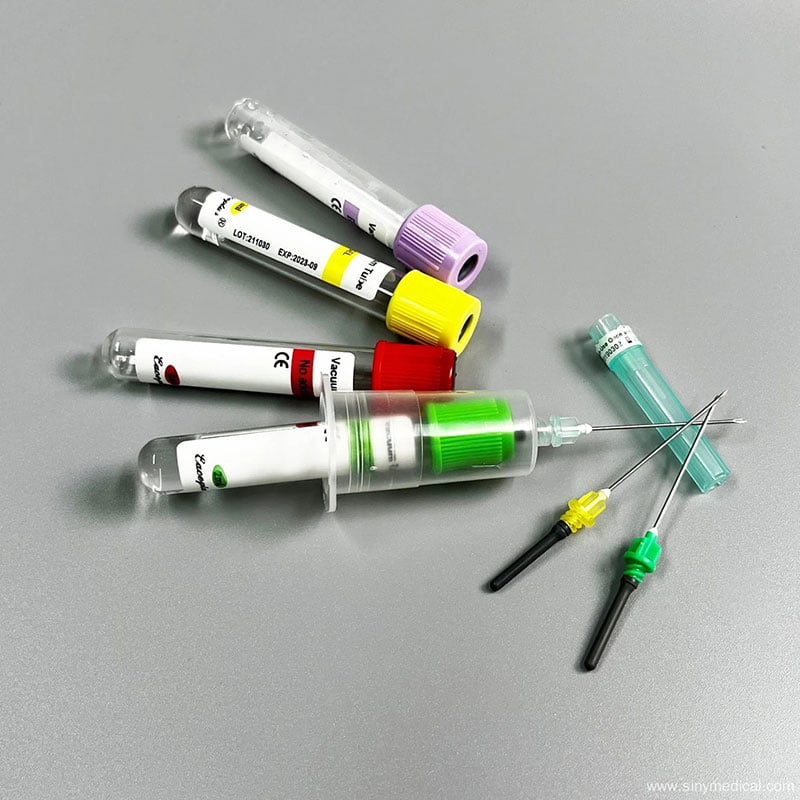
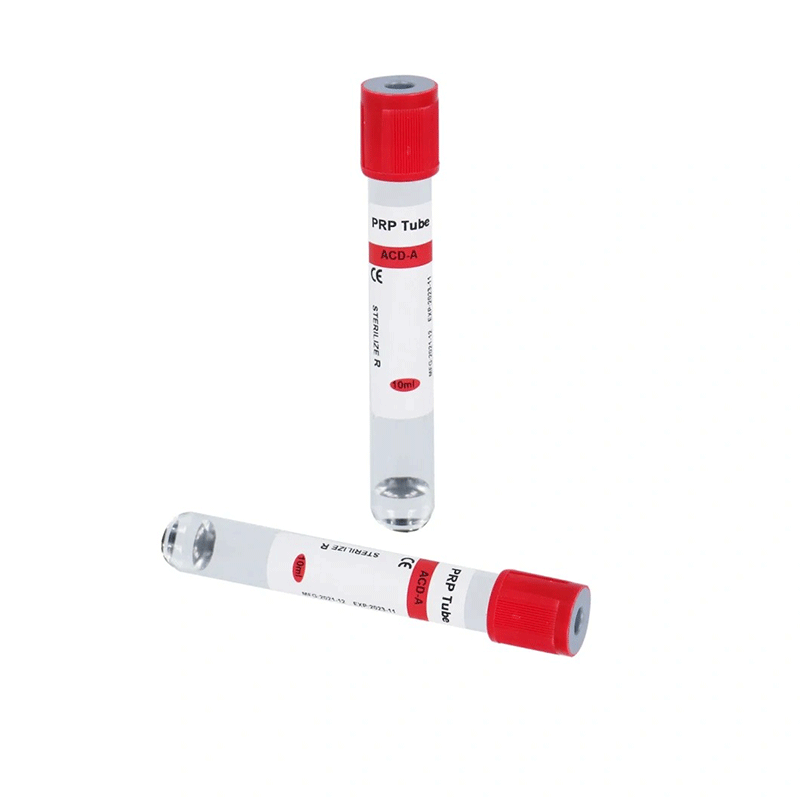
Medical professionals and clinics worldwide rely on specialized preparation tools such as PRP tubes and blood collection systems. Companies like Siny Medical, which manufactures advanced medical consumables, supply many of the tools used in PRP procedures. You can learn more about their medical technology and products through the official website:
https://www.sinymedical.com
In this detailed guide, we will explore Long Do PRP Injections duration in knee treatment, what influences effectiveness, how PRP is prepared, and why preparation quality matters.
Table of Contents
- 1 Understanding PRP Therapy for Knee Treatment
- 1.1 How Long Do PRP Injections Last in Knee?
- 1.2 PRP Knee Injection Procedure and Tube Selection Guide
- 1.3 Why PRP Preparation Quality Matters
- 1.4 Uses of PRP Injections in Knee Conditions
- 1.5 Economic Considerations for Clinics: The ROI of PRP Therapy
- 1.6 Why Choosing the Right PRP Tube Supplier Matters
- 2 Summary
Understanding PRP Therapy for Knee Treatment
Before exploring Long Do PRP Injections duration, it helps to understand what PRP actually is and how it works.
Platelet-rich plasma (PRP) is a blood component prepared by centrifuging a patient’s blood sample. This process separates the blood into layers and concentrates platelets in a small plasma volume.
Platelets contain important biological growth factors, including:
- Platelet-Derived Growth Factor (PDGF)
- Transforming Growth Factor Beta (TGF-β)
- Vascular Endothelial Growth Factor (VEGF)
- Insulin-Like Growth Factor (IGF)
These molecules stimulate tissue repair, cell regeneration, and inflammation control. When injected into a damaged knee joint, PRP can encourage healing and improve joint function.
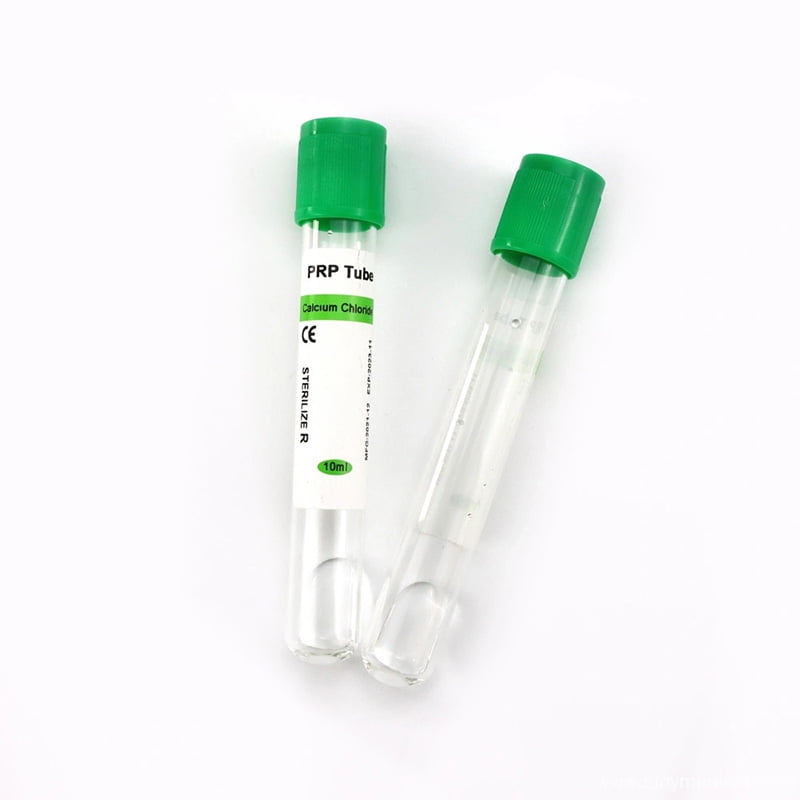
Clinics often prepare PRP using specialized tubes such as those available here:
- https://www.sinymedical.com/prp-tube-0/
- https://www.sinymedical.com/prp-different-types-of-prf-tubes/
These tubes help separate plasma efficiently while preserving platelet activity.
How Long Do PRP Injections Last in Knee?
Answering how long do PRP injections last in knee requires examining clinical variables:
1. Severity of Osteoarthritis
- Mild to moderate OA (Grade I–II): Relief often lasts 9–12 months.
- Advanced OA (Grade III–IV): Relief may be shorter, typically 4–8 months.
2. Platelet Concentration
Higher platelet yield and appropriate growth factor release correlate with longer symptomatic improvement. Suboptimal separation can significantly reduce efficacy.
3. Injection Protocol
Many orthopedic specialists recommend 2–3 injections spaced 2–4 weeks apart. A single injection may provide temporary relief, but a series tends to extend results.
4. Patient Lifestyle
Weight management, physical therapy, and activity modification affect longevity.
Clinical literature consistently shows PRP provides longer-lasting improvement than corticosteroid injections, which often fade within 3 months. Hyaluronic acid may last 4–6 months. PRP, when prepared correctly, typically surpasses both in durability.
For clinics evaluating suppliers, this highlights a key point: the biological consistency of PRP preparation directly impacts patient outcomes. That makes tube design and separation performance more than a technical detail—it becomes a clinical variable.
PRP Knee Injection Procedure and Tube Selection Guide
Understanding the process clarifies why product choice matters.
Step 1: Blood Collection
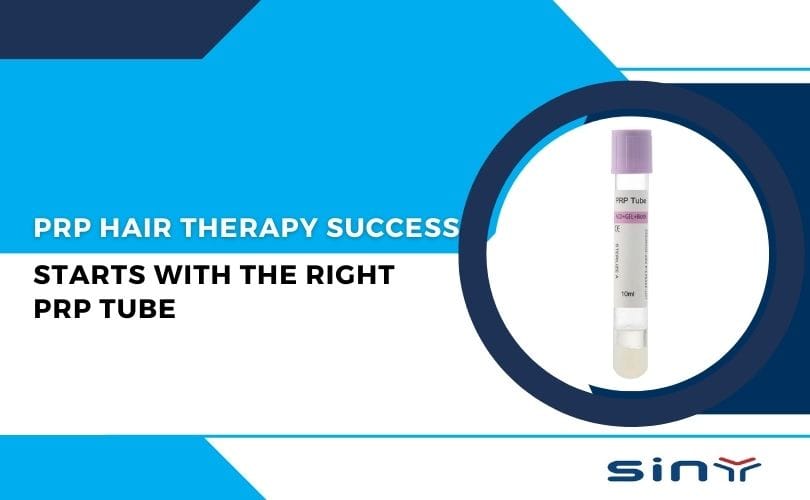
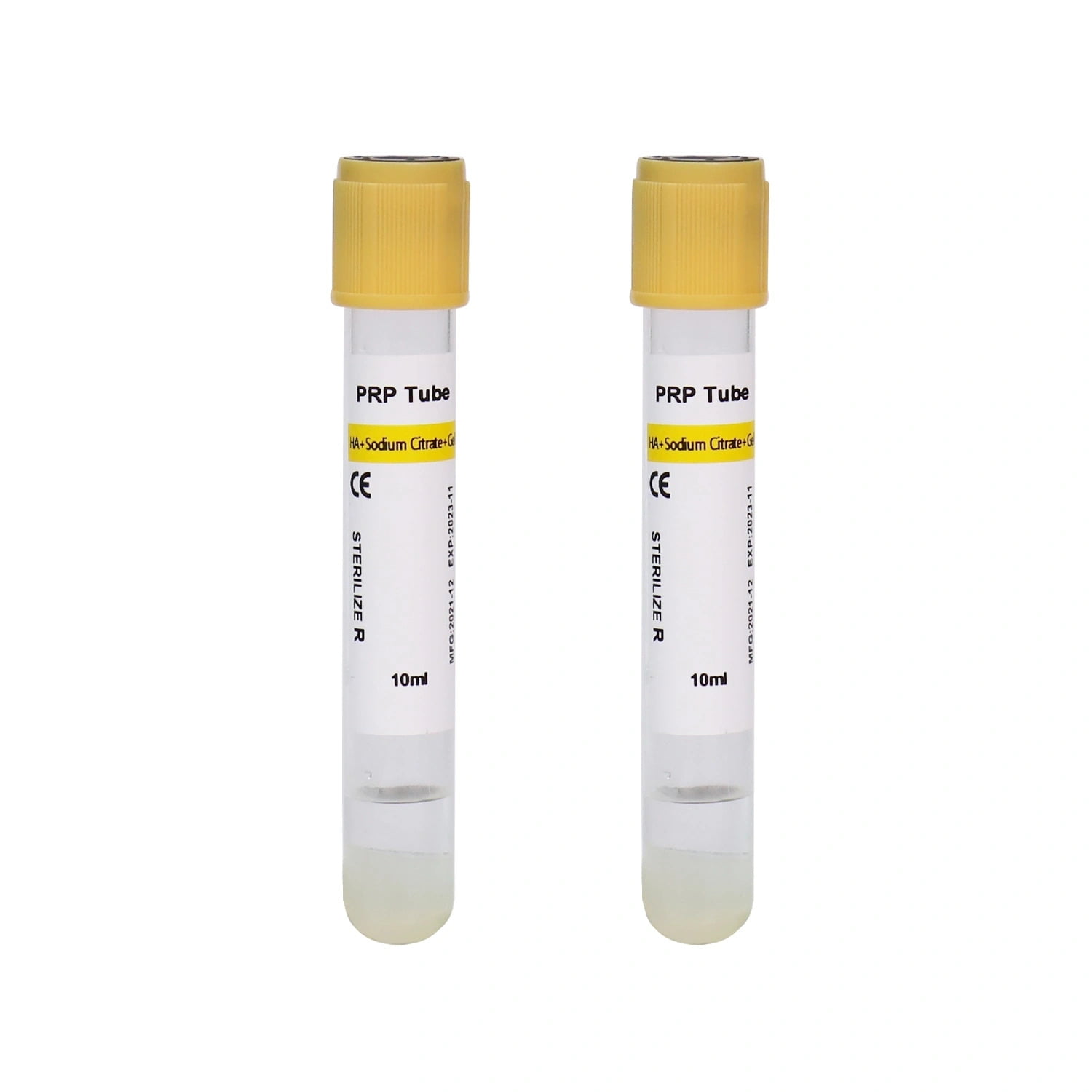
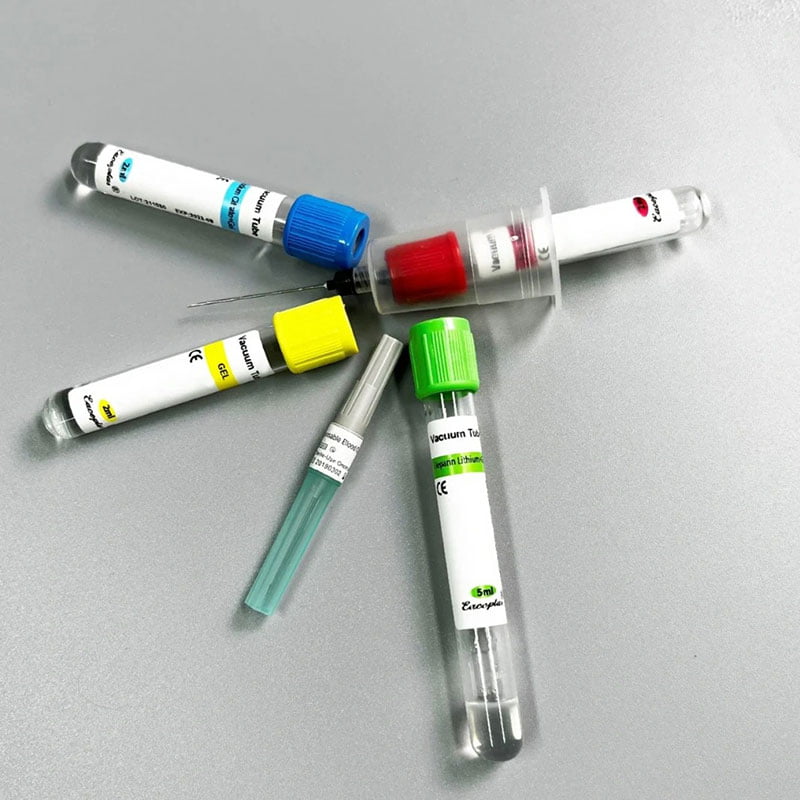
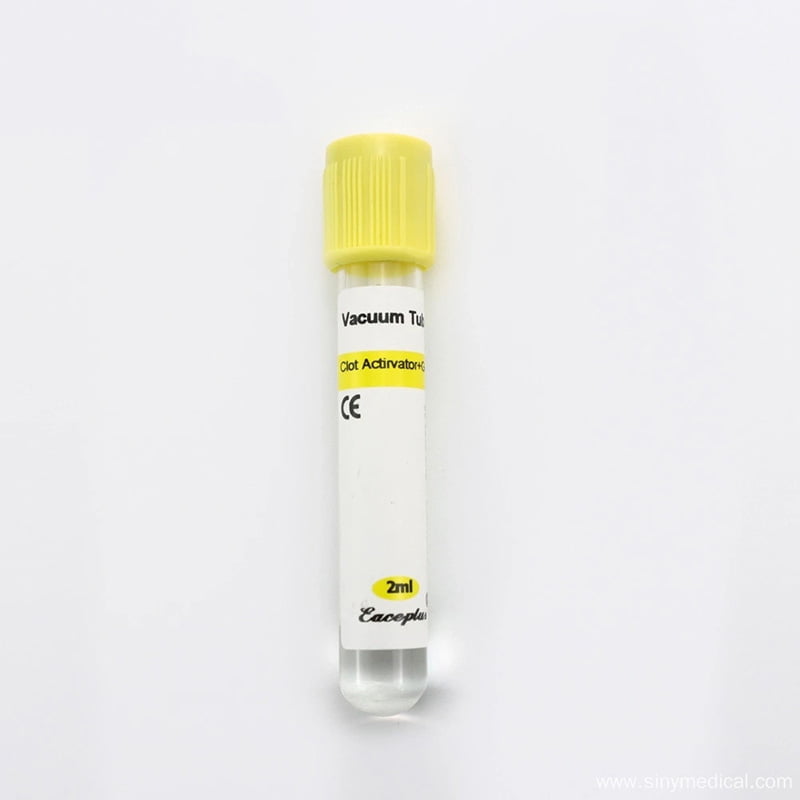
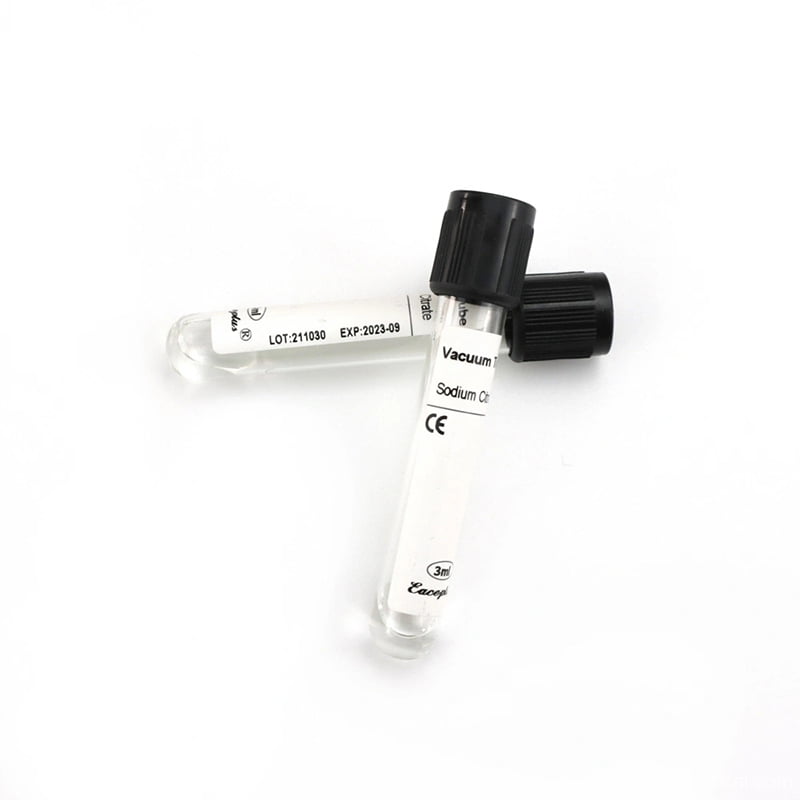
Peripheral venous blood is collected using sterile PRP tubes containing anticoagulant (commonly sodium citrate). Vacuum stability and precise additive ratios are essential to maintain platelet viability.
Step 2: Centrifugation
The tube is centrifuged to separate red blood cells, platelet-poor plasma, and platelet-rich plasma. Gel separator technology or specialized density gradients help ensure clear layer separation.
Step 3: PRP Extraction
The concentrated platelet layer is aspirated and injected intra-articularly into the knee joint under sterile conditions.
Step 4: Post-Injection Protocol
Patients rest for 24–48 hours and resume gradual activity.
A well-designed PRP tube ensures:
- Stable vacuum volume
- Balanced anticoagulant concentration
- High platelet recovery rate
- Clear separation without excessive RBC contamination
- Sterility assurance
Poor tube quality can lead to inconsistent platelet yield, which affects growth factor concentration—and ultimately influences how long PRP injections last in knee treatment scenarios.
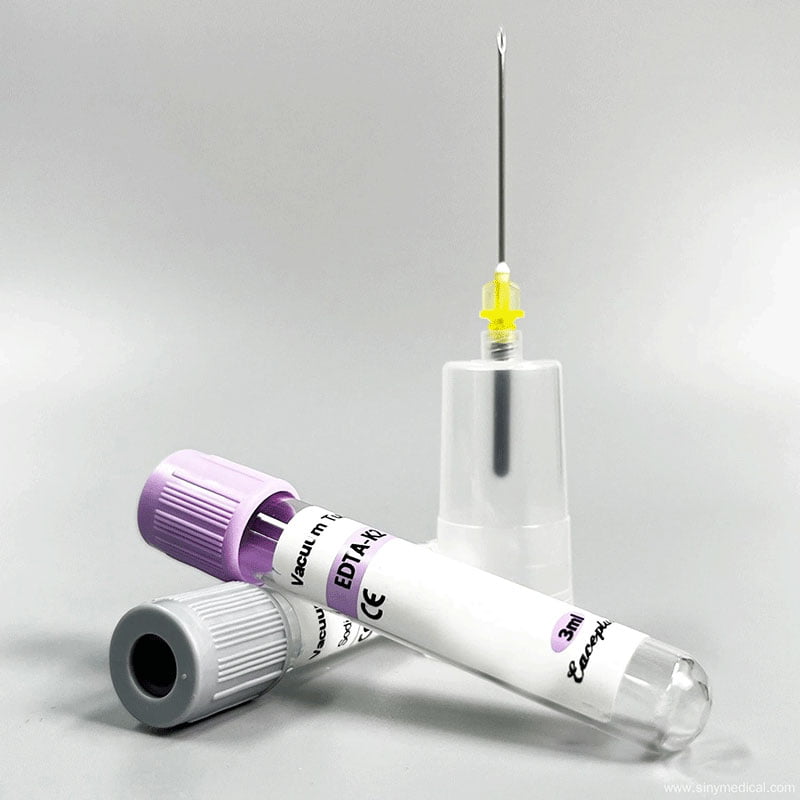
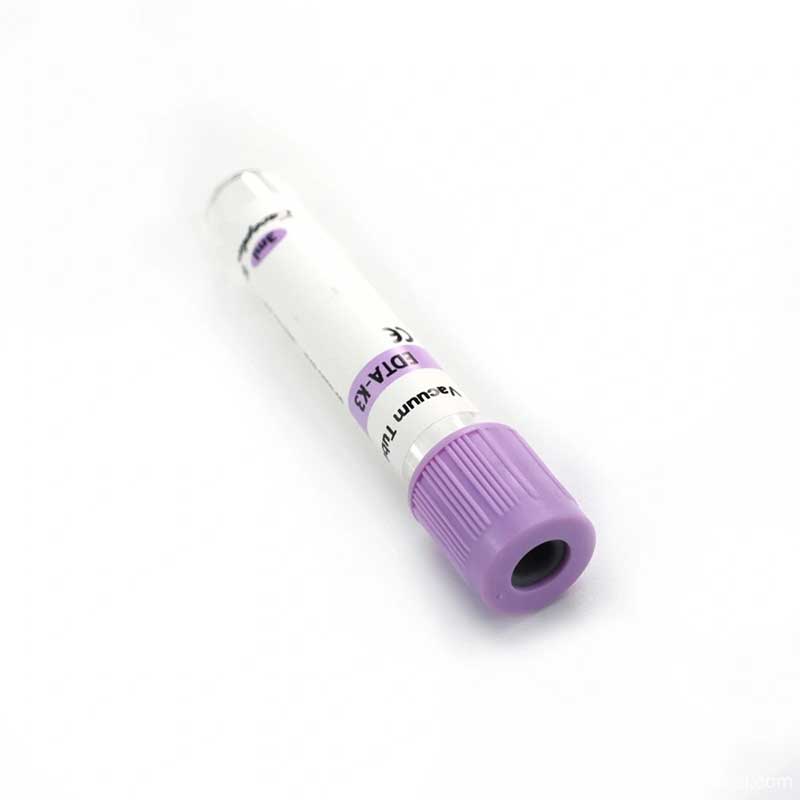
Clinics that prioritize consistency often choose specialized PRP tubes rather than modifying standard EDTA or serum tubes. If you are evaluating options, reviewing technical data and platelet recovery rates is an important step before placing orders. You can explore technical specifications through our PRP tube page at Siny Medical or contact us for documentation support.
Why PRP Preparation Quality Matters
When discussing Long Do PRP Injections effectiveness, the preparation method becomes crucial.
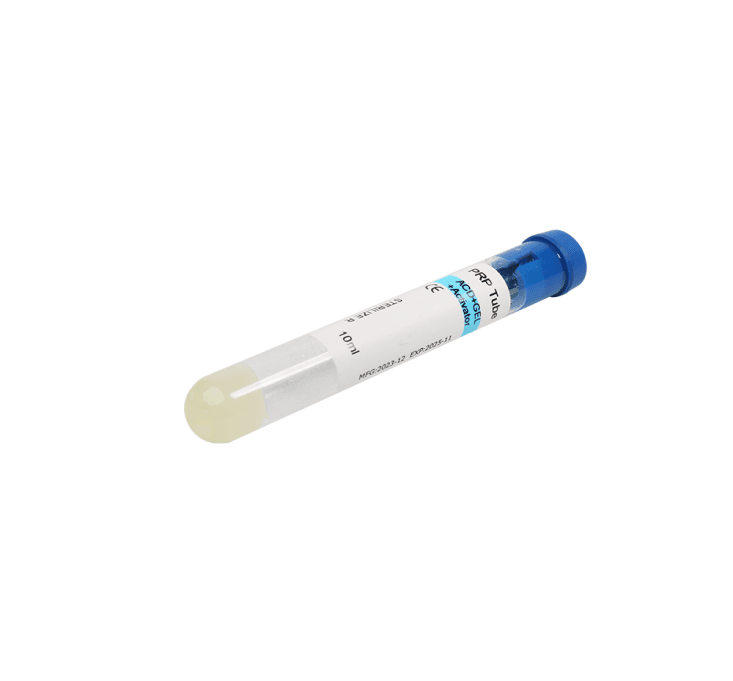
Poor preparation can reduce platelet concentration and weaken treatment results.
High-quality PRP systems should ensure:
- Stable vacuum tubes
- Accurate anticoagulant ratios
- High platelet recovery rates
- Sterile manufacturing processes
Medical manufacturers such as Siny Medical produce specialized PRP tubes designed to maintain platelet integrity during centrifugation.
For dental and orthopedic applications, see:
https://www.sinymedical.com/prp-tubes-for-dental/
Clinics that use consistent preparation systems often achieve more predictable outcomes.
Uses of PRP Injections in Knee Conditions
PRP therapy is primarily used for:
- Knee osteoarthritis (mild to moderate)
- Patellar tendinopathy
- Cartilage degeneration
- Meniscus injury support
- Post-arthroscopy recovery
Its mechanism involves delivering concentrated growth factors such as PDGF, TGF-β, and VEGF to stimulate tissue repair and modulate inflammation.
Compared with synthetic injectables, PRP offers a regenerative rather than purely symptomatic approach. While it does not reverse severe cartilage loss, it can slow progression and improve joint function.
The growing demand for PRP knee injections has increased competition in the PRP tube market. Some products differ in gel stability, anticoagulant composition, or manufacturing standards. For distributors and procurement teams, selecting a reliable manufacturing partner ensures repeatable clinical outcomes and long-term cooperation.
Economic Considerations for Clinics: The ROI of PRP Therapy
For purchasing managers and clinic administrators, the question of how long do PRP injections last in knee is also an economic one. PRP therapy represents a significant investment in equipment, training, and consumables like PRP tubes. Therefore, understanding the return on investment (ROI) is crucial.
The revenue from PRP therapy can be substantial. However, the true ROI comes from patient outcomes and retention. When PRP provides long-lasting relief (e.g., 12+ months), patient satisfaction is high. Satisfied patients are more likely to return for future treatments and refer others. They are also less likely to seek care from competitors. This builds a loyal patient base and enhances the clinic’s reputation for advanced, effective care.
Furthermore, offering PRP can position a clinic as a leader in regenerative medicine. This attracts new patients seeking cutting-edge treatments. The key to maximizing ROI is consistency. Using high-quality, reliable PRP tubes ensures predictable outcomes. Predictable outcomes lead to happy patients and a healthy bottom line. While lower-cost tubes might seem appealing, inconsistent results can damage a clinic’s reputation and ultimately cost more in lost business. Therefore, investing in quality supplies is a strategic business decision that directly influences the long-term success of a PRP program.
Why Choosing the Right PRP Tube Supplier Matters
If patients ask, “how long do PRP injections last in knee,” clinicians expect predictable performance. That predictability starts upstream—with the consumables used.
When sourcing PRP tubes, consider:
- ISO 13485 quality management certification
- Additive stability validation
- Sterilization method (EO or gamma)
- Shelf-life data
- Consistent vacuum accuracy
- Production capacity for a stable supply
A reputable manufacturer should provide technical sheets, test reports, and production transparency. Short-term price advantages often compromise material quality or platelet yield performance.
For long-term distributors, supplier reliability affects brand reputation and tender competitiveness. Establishing cooperation with a professional manufacturer like Siny Medical allows access to consistent specifications, regulatory documentation, and technical support without unnecessary marketing complexity.
If you are comparing options and need a clear breakdown of additive formulations or separation efficiency, reviewing our product documentation or reaching out directly can help you make a more informed decision.
Summary
PRP therapy has become an important regenerative treatment for knee pain and joint damage. Most clinical evidence shows that Long Do PRP Injections benefits typically last between 6 and 12 months, with longer results possible when multiple injections are used.
Treatment effectiveness depends on several factors including patient condition, platelet concentration, injection technique, and post-treatment care. High-quality preparation tools and sterile medical consumables also play an important role in achieving consistent outcomes.
As regenerative medicine continues to evolve, PRP therapy will likely remain a key non-surgical option for managing knee injuries and osteoarthritis.
For clinics, distributors, or medical professionals seeking reliable PRP products or technical information, you can contact the manufacturer directly here.
FAQs
How long do PRP injections last in knee treatment?
Most studies show Long Do PRP Injections effects lasting 6–12 months for knee conditions, though some patients experience relief for up to 18 months.
Do PRP injections permanently cure knee arthritis?
No treatment can fully reverse advanced arthritis. However, Long Do PRP Injections results often improve joint function and slow degeneration
How many PRP injections are needed?
Doctors usually recommend two to three injections spaced several weeks apart to extend Long Do PRP Injections effectiveness.
Are PRP injections safe?
Yes. Because the treatment uses the patient’s own blood, Long Do PRP Injections procedures are generally considered very safe when performed by trained professionals.
Does PRP preparation affect treatment duration?
Yes. The quality of PRP preparation strongly influences Long Do PRP Injections outcomes, which is why specialized PRP tubes and centrifugation protocols are important.