When people first encounter kinesiology tape, one of the most common questions is: How does kinesiology tape work? At first glance, it looks like nothing more than a colorful elastic strip. But in clinical and sports settings, it plays a surprisingly important role in pain management, muscle support, and recovery.
For clinics, physiotherapists, and distributors sourcing kinesiology tape, understanding how it works is not just about theory—it directly impacts product selection, performance consistency, and patient outcomes.
In this guide, we’ll break down the mechanism behind kinesiology tape, its real-world applications, and what actually matters when choosing a reliable supplier.
Table of Contents
What Is Kinesiology Tape and Why Is It Different?
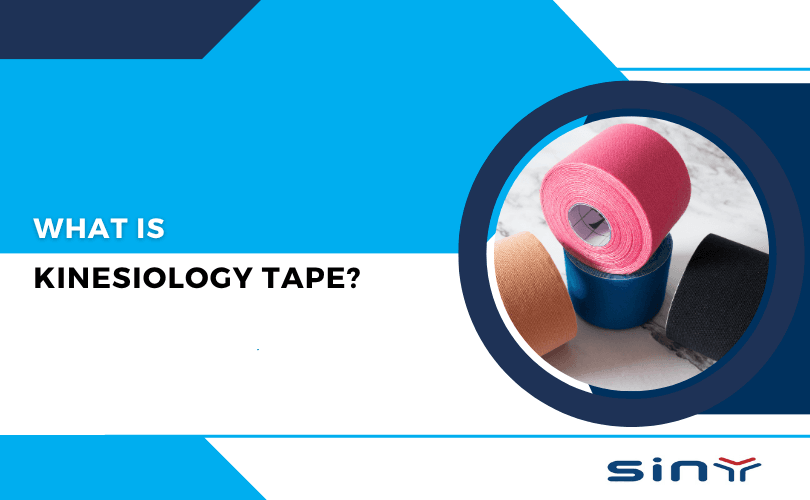
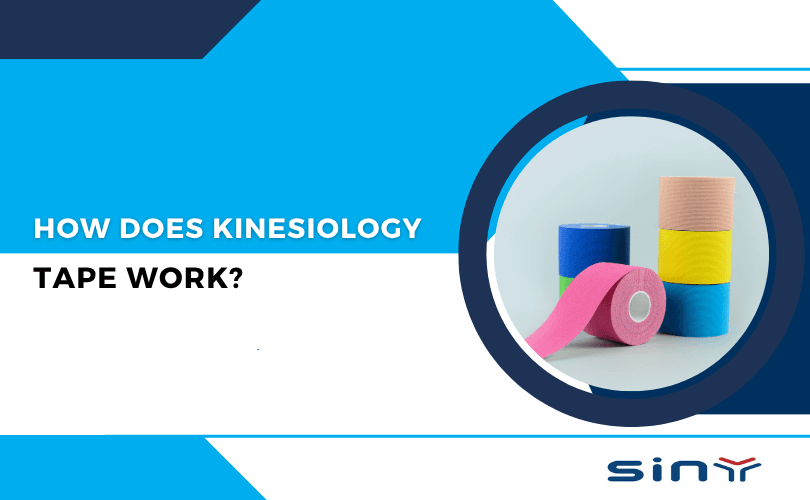
Kinesiology tape—often referred to as elastic therapeutic tape—is a flexible, adhesive medical tape designed to mimic the elasticity of human skin. Unlike traditional rigid sports tape, it allows a full range of motion while still providing support.
Most high-quality tapes are made from:
- Cotton or synthetic fabric for breathability
- Medical-grade acrylic adhesive for skin safety
- Elastic fibers that stretch up to 140–180%
This combination is what makes kinesiology tape suitable for long-term wear, often lasting 3–5 days even during physical activity.
From a procurement standpoint, consistency in elasticity and adhesive quality is critical. Variations in raw materials or coating processes can significantly affect performance, especially in humid or high-movement environments.

How Does Kinesiology Tape Work on the Body?
So, how does kinesiology tape actually work once applied?
The core principle is skin lifting and decompression.
When applied correctly, the tape gently lifts the outer layer of the skin. This creates microscopic space between the skin and underlying tissues, which helps:
- Improve blood circulation.
- Enhance lymphatic drainage.
- Reduce pressure on pain receptors.
As a result, users often experience reduced swelling and discomfort.
At the same time, kinesiology tape provides proprioceptive feedback—meaning it stimulates sensory receptors in the skin. This helps the body become more aware of movement patterns, improving muscle coordination and reducing the risk of further injury.
This dual mechanism—mechanical lifting + neurological feedback—is what differentiates kinesiology tape from traditional support methods.

Key Benefits: Why Kinesiology Tape Is Widely Used
Understanding how kinesiology tape works naturally leads to the question: What benefits does it provide in practice?
Pain Relief Without Restriction
Unlike rigid tape or braces, kinesiology tape reduces pain without limiting movement. This makes it ideal for athletes and rehabilitation patients.
Muscle Support and Activation
Depending on how it is applied, the tape can either:
- Support weakened muscles
- Or relax overused muscles
Improved Circulation
The lifting effect helps reduce inflammation and promotes faster recovery.
Versatile Clinical Use
Common applications include:
- Sports injuries
- Post-surgical recovery
- Chronic pain conditions
- Posture correction
For distributors, this versatility means kinesiology tape is not a niche product—it has broad demand across clinics, sports centers, and rehabilitation facilities.
If you are expanding your product line, adding high-quality kinesiology tape from Siny Medical can help meet multiple market segments with a single SKU.

How to Apply Kinesiology Tape Correctly
Even the best kinesiology tape won’t perform well if applied incorrectly.
Here are the key steps:
1. Prepare the Skin
- Clean and dry the area
- Remove oils or lotions
2. Measure and Cut
- Round the edges to prevent peeling
- Choose an appropriate length based on the muscle group
3. Apply with Proper Tension
- No stretch at anchor points
- Moderate stretch in the middle section
4. Activate the Adhesive
- Rub gently to generate heat and improve adhesion
Application technique directly affects outcomes. That’s why many professional users prefer tapes with consistent elasticity and reliable adhesive coating, especially in high-volume clinical environments.
If you are comparing different suppliers, it’s worth reviewing detailed product specifications or contacting Siny Medical for technical documentation and samples.
How to Choose the Right Kinesiology Tape Supplier
With so many products on the market, selecting the right supplier is often more challenging than understanding how kinesiology tape works.
Here are the key factors to evaluate:
✔ Adhesive Quality
Poor adhesive leads to early peeling, especially in humid climates.
✔ Elastic Stability
Inconsistent stretch affects therapeutic results.
✔ Material Safety
Medical-grade, skin-friendly materials are essential for long wear.
✔ Manufacturing Standards
Look for suppliers with ISO and CE certifications.
✔ OEM Capability
If you are building your own brand, private labeling and packaging flexibility are important.
In practice, many distributors find that working directly with manufacturers—rather than traders—provides better control over quality, pricing, and customization.
If you are sourcing for long-term supply, consider contacting Siny Medical to explore customized solutions and stable production support.
FAQ About How Kinesiology Tape Works
Q1: How long does kinesiology tape take to work?
Most users feel effects within a few hours, especially in terms of support and pain relief.
Q2: Can kinesiology tape really reduce swelling?
Yes. The lifting effect helps improve lymphatic drainage, which can reduce localized swelling.
Q3: Is kinesiology tape safe for daily use?
Generally, yes—if made with medical-grade materials and applied correctly.
Q4: Why does some tape fall off quickly?
This is usually due to poor adhesive quality, improper application, or low manufacturing standards.
Q5: Does a higher price mean better quality?
Not always. Consistency and material quality matter more than price alone, which is why supplier selection is critical.
Final Thoughts
Understanding how does kinesiology tape work is essential—not just for clinical use, but also for making informed sourcing decisions.
At its core, kinesiology tape works by combining mechanical support with neurological feedback, offering a unique balance between stability and mobility. But its effectiveness depends heavily on material quality, adhesive performance, and manufacturing consistency.
For distributors and medical buyers, choosing the right supplier can make the difference between a product that performs reliably and one that leads to complaints.
If you’re currently evaluating options or looking to expand your product portfolio, it may be worth connecting with Siny Medical to explore available specifications, samples, and OEM opportunities.