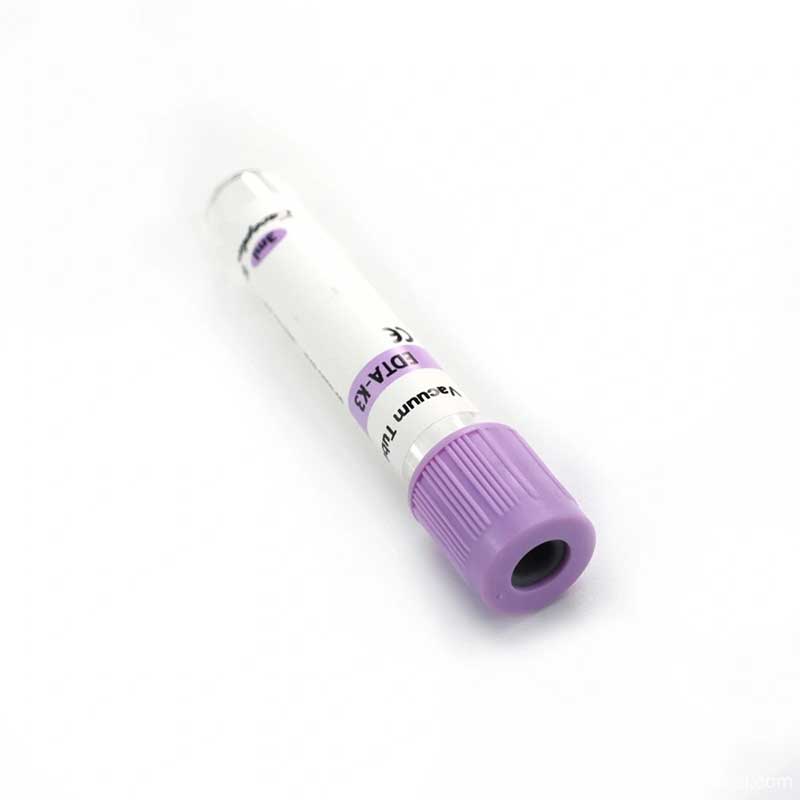

Platelet-Rich Plasma (PRP) therapy has gained significant attention in recent years as a potential solution for hair loss. But does PRP really regrow hair? This blog dives deep into the science, effectiveness, and practical aspects of PRP for hair regrowth, providing you with a comprehensive understanding of this innovative treatment.
Table of Contents
What is PRP Therapy?
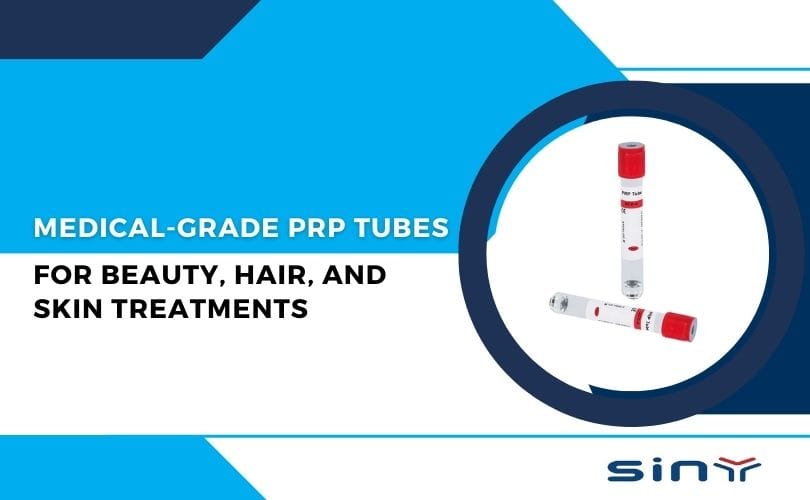
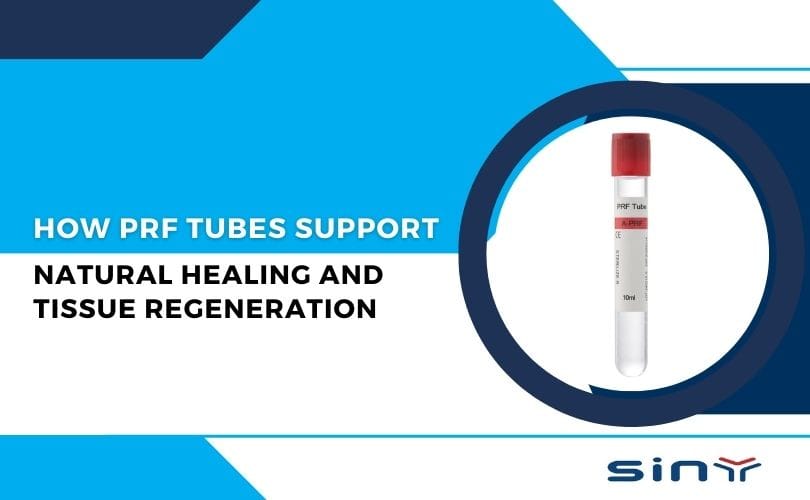
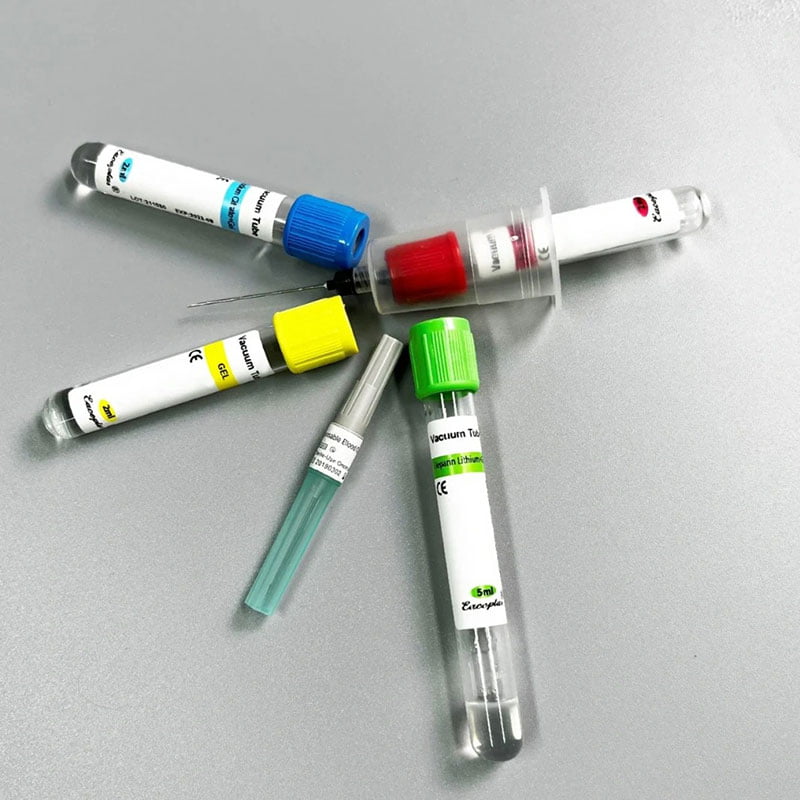
PRP therapy is a non-surgical treatment that uses the patient’s own blood to stimulate hair growth. The process involves drawing a small amount of blood, processing it to concentrate the platelets, and then injecting the platelet-rich plasma into the scalp. Platelets are rich in growth factors that can promote tissue repair and regeneration, making them a promising option for hair restoration.

PRP therapy is widely used in various medical fields, including cosmetic procedures, dental treatments, and, most notably, hair treatment.
How Does PRP Work for Hair Regrowth?
The science behind PRP for hair regrowth lies in the growth factors contained within platelets. These growth factors, such as VEGF (Vascular Endothelial Growth Factor) and EGF (Epidermal Growth Factor), play a crucial role in stimulating hair follicles, improving blood supply to the scalp, and prolonging the growth phase of hair.
When PRP is injected into the scalp, it:
- Stimulates dormant hair follicles to enter the active growth phase.
- Increases blood flow to the scalp, providing essential nutrients to hair follicles.
- Reduces inflammation in the scalp, which can contribute to hair loss.
- Strengthens existing hair by improving the health of hair follicles.
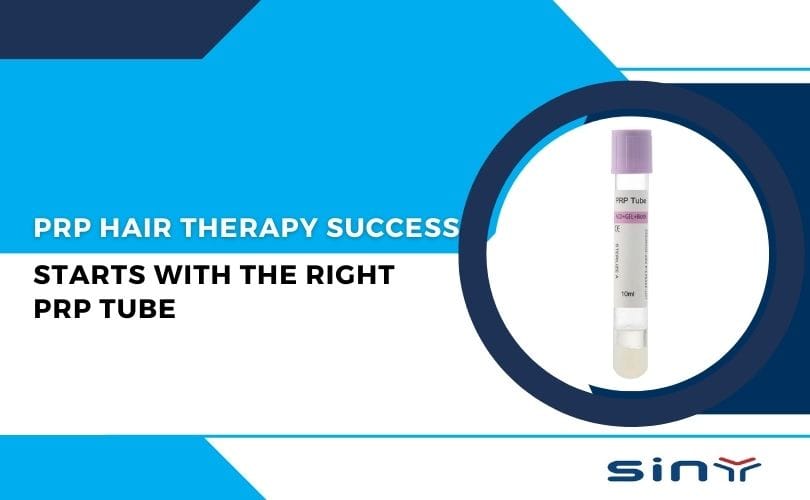
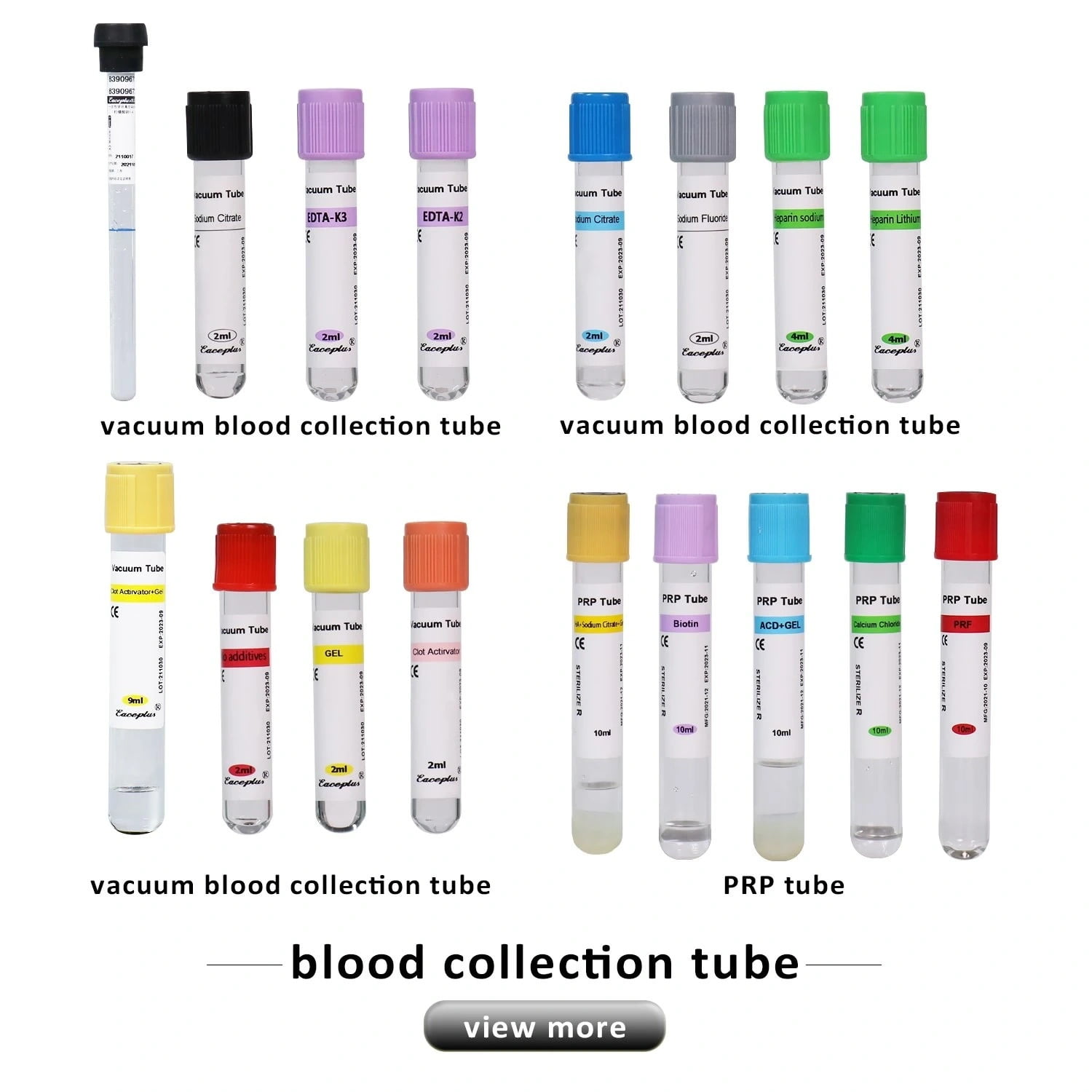
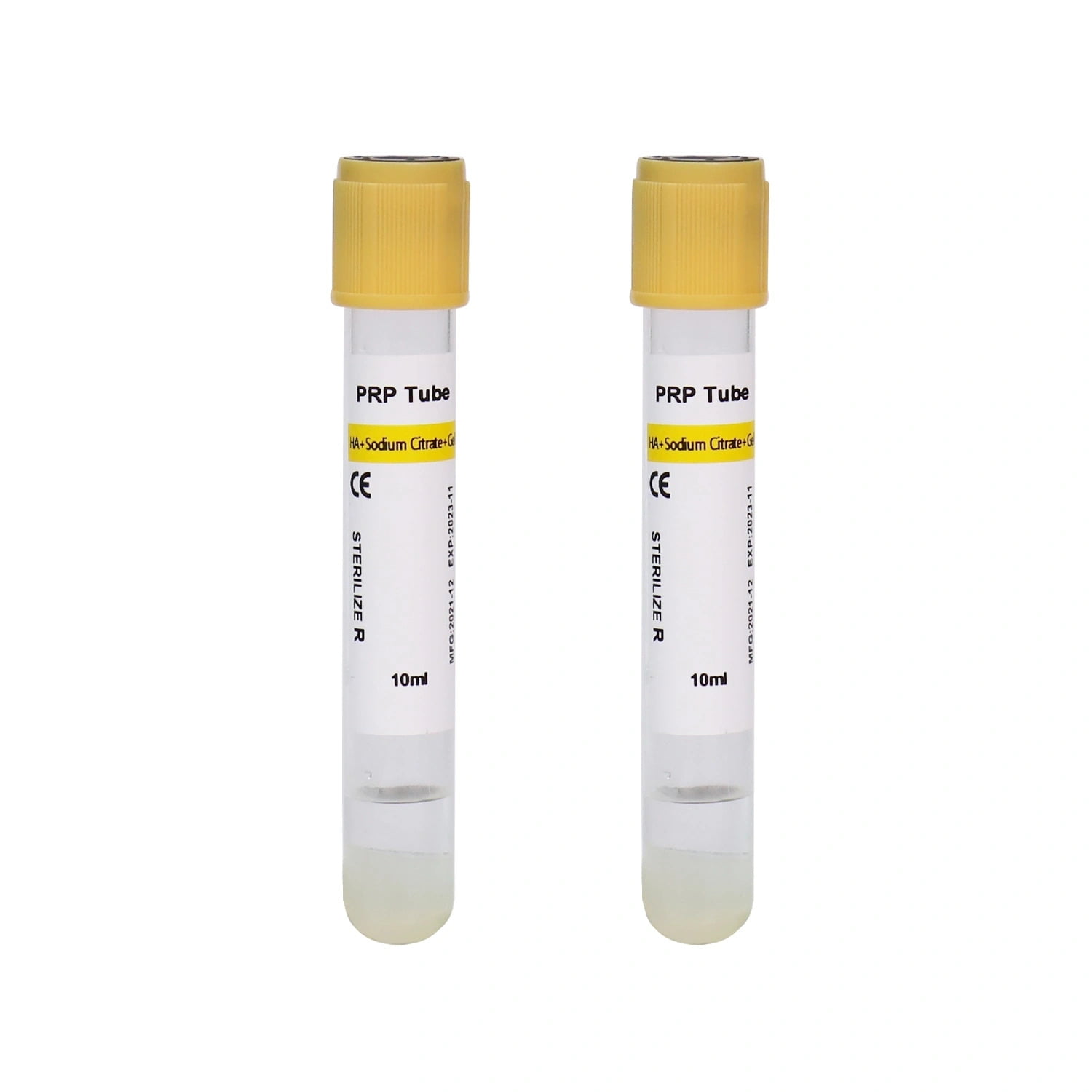
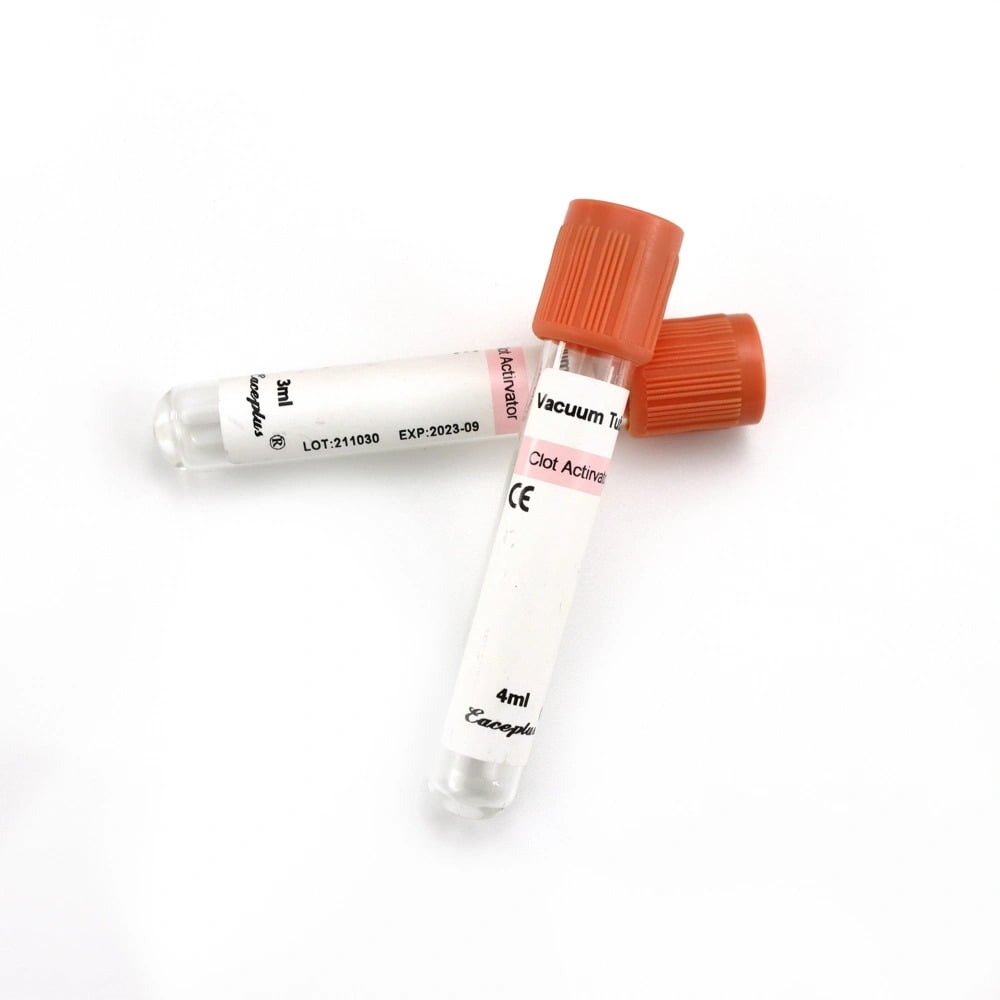
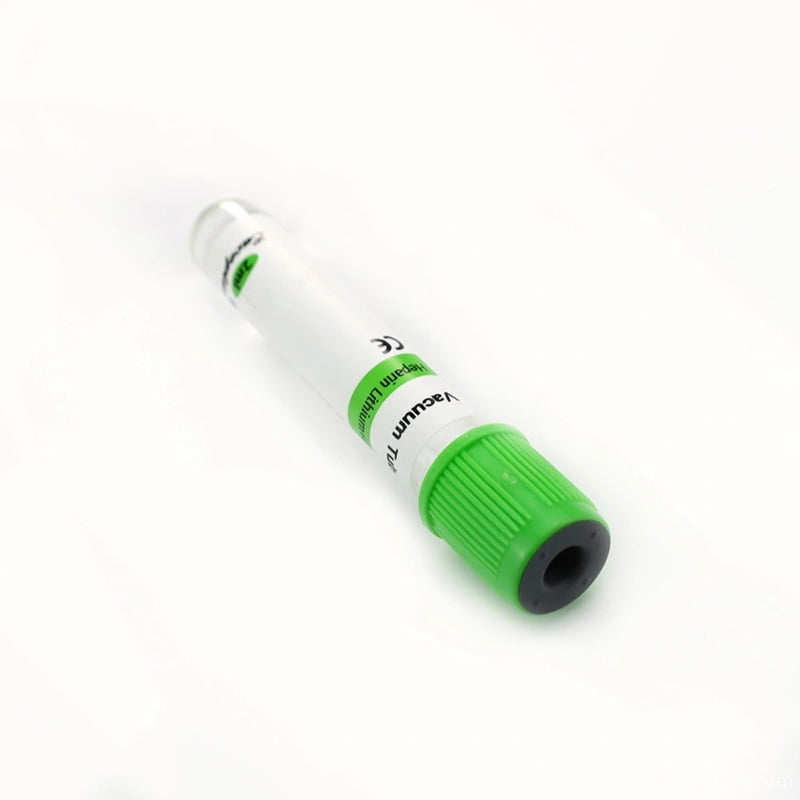
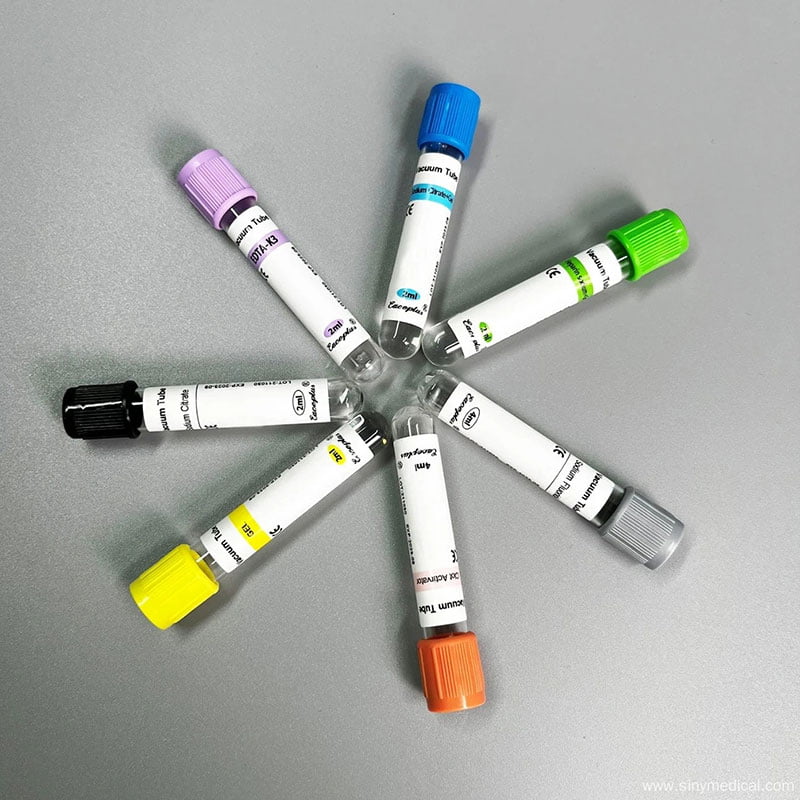
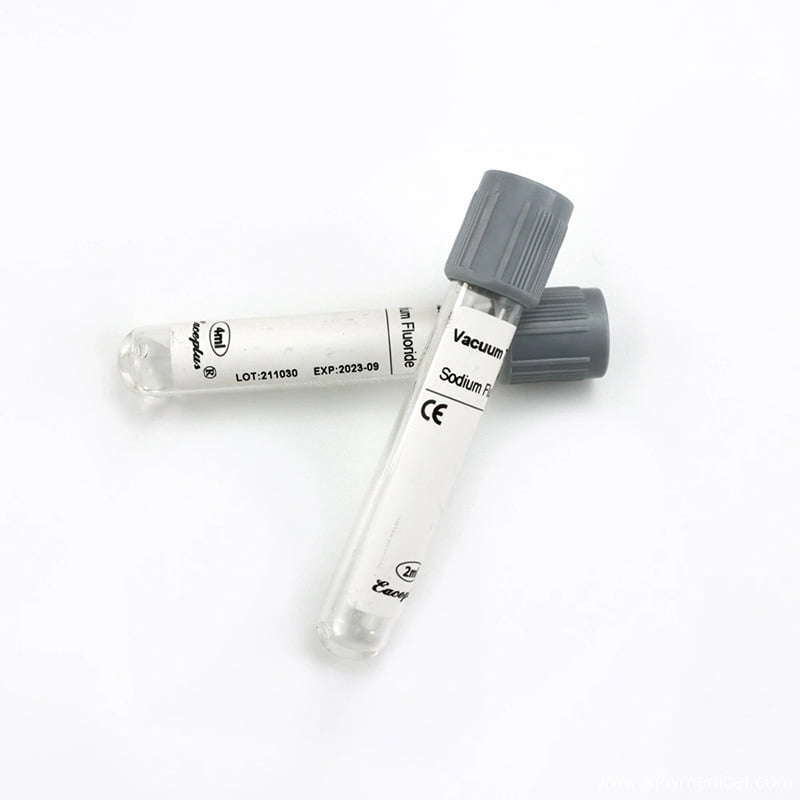
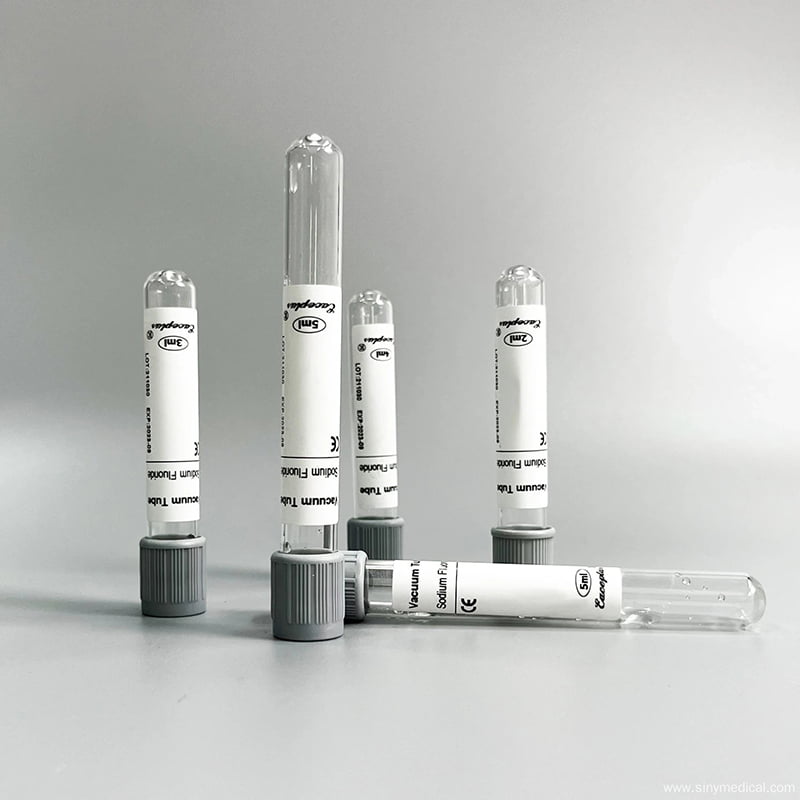
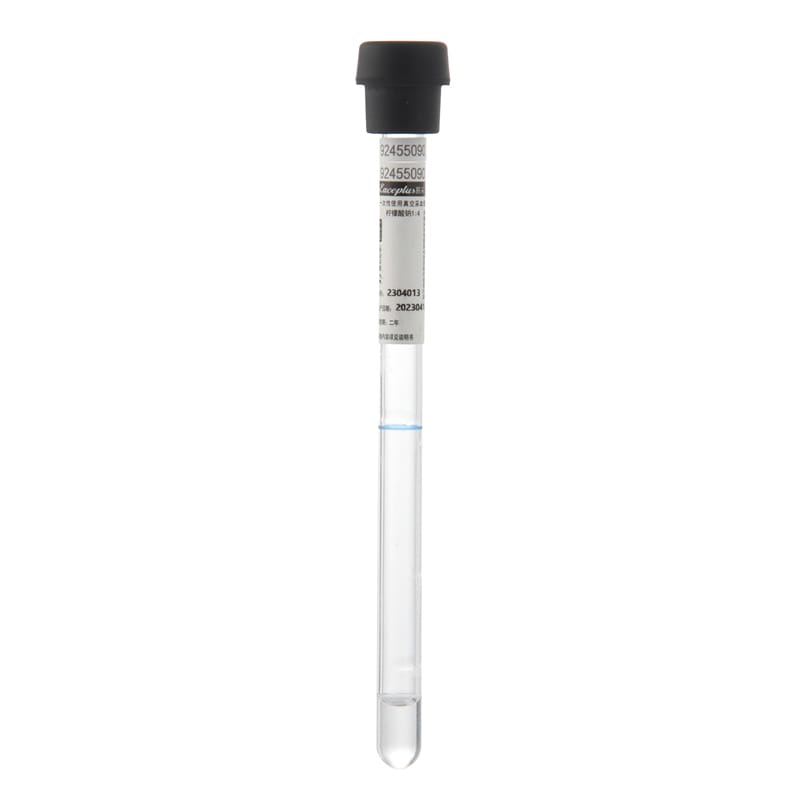
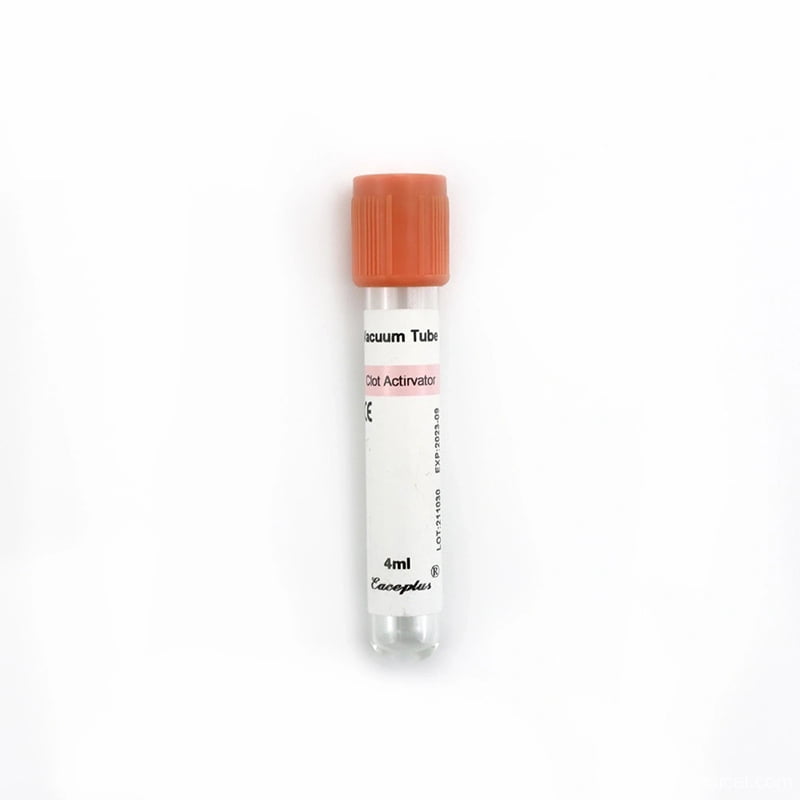
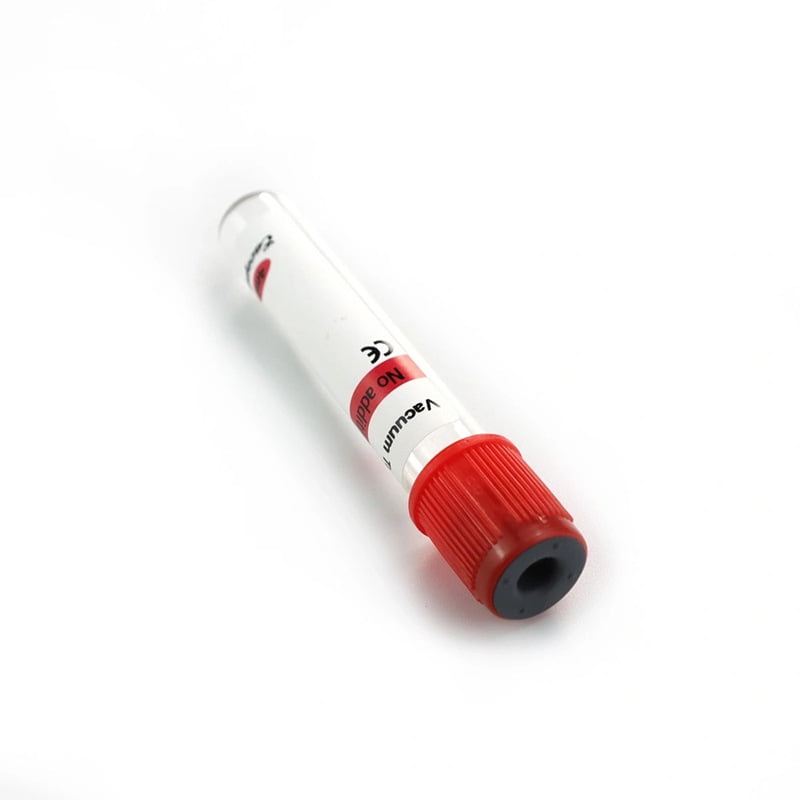
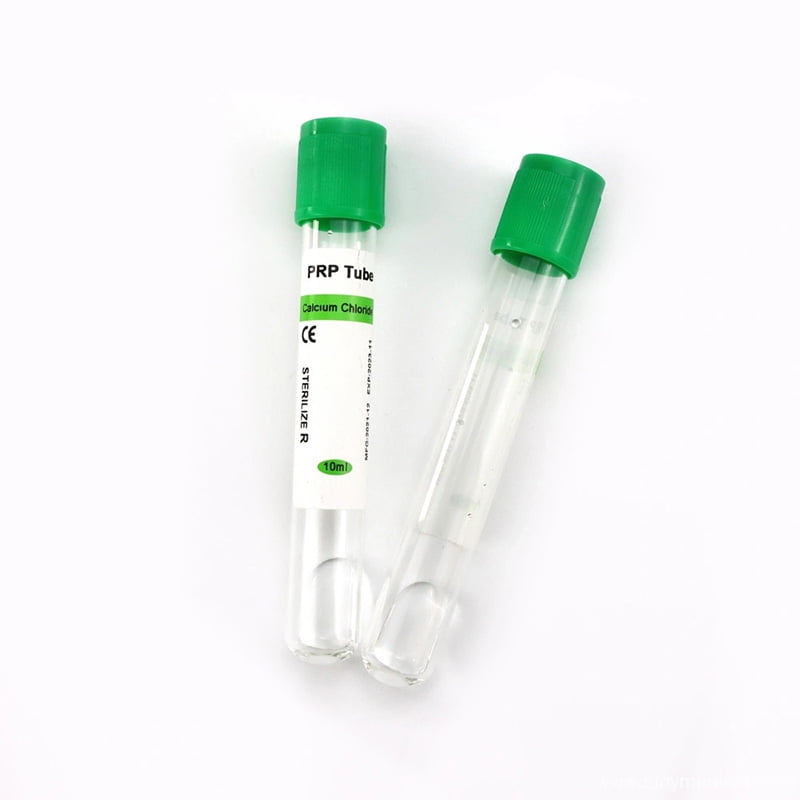
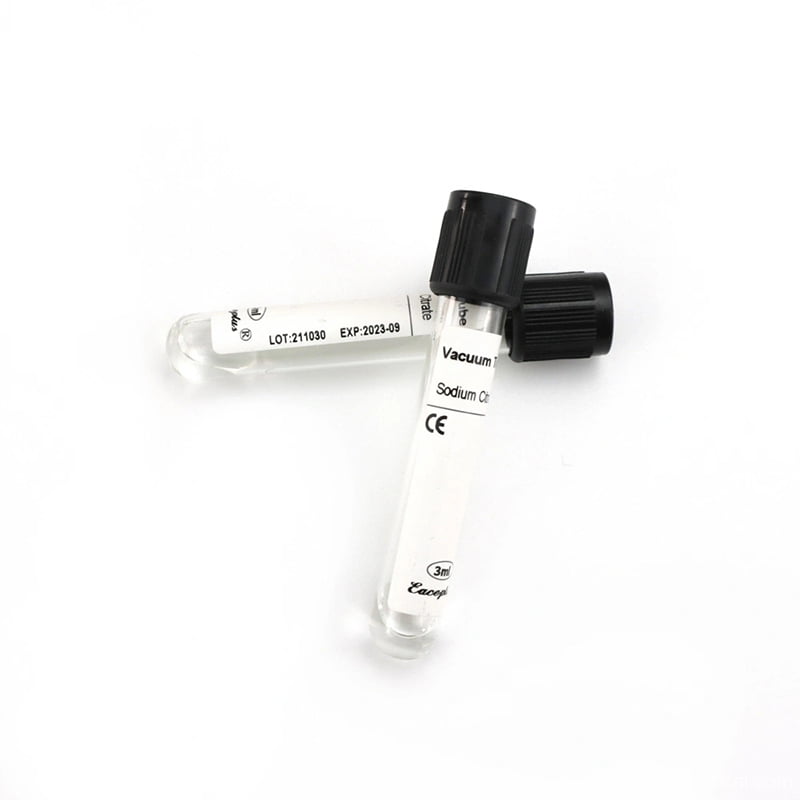
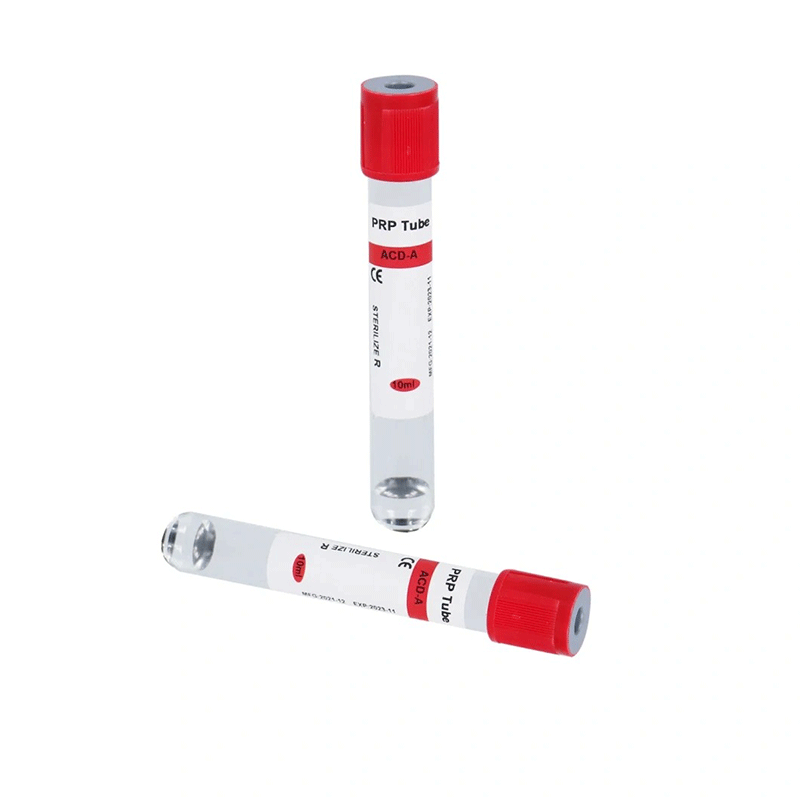
For more details on how PRP tubes are specifically designed for hair treatment, check out ACD Gel Biotin.
Is PRP Effective for Hair Regrowth?
The effectiveness of PRP for hair regrowth has been the subject of numerous studies. While results can vary depending on the individual, research suggests that PRP can significantly improve hair density and thickness in patients with androgenetic alopecia (pattern baldness) and other forms of hair loss.
Key Findings from Research:
- A 2019 study published in the Journal of Cosmetic Dermatology found that PRP injections led to a 20-30% increase in hair density after three sessions.
- Another study in Dermatologic Surgery reported that PRP was particularly effective in patients with early-stage hair loss, with visible improvements in hair count and thickness.
- Patients often report reduced hair shedding and improved scalp health after undergoing PRP therapy.
However, it’s important to note that PRP is not a one-size-fits-all solution. Factors such as the severity of hair loss, age, and overall health can influence the results.
Who is a Good Candidate for PRP Hair Treatment?
PRP therapy is most effective for individuals with:
- Early-stage hair loss: PRP works best when hair follicles are still active but miniaturized.
- Thinning hair: Patients with diffuse thinning often see significant improvements.
- Androgenetic alopecia: Both men and women with pattern baldness can benefit from PRP.
- Scalp inflammation: PRP’s anti-inflammatory properties can help reduce scalp conditions that contribute to hair loss.
If you’re unsure whether PRP is right for you, consult with a specialist at Siny Medical for personalized advice.
The PRP Hair Treatment Process
The PRP hair treatment process is straightforward and minimally invasive. Here’s what you can expect:
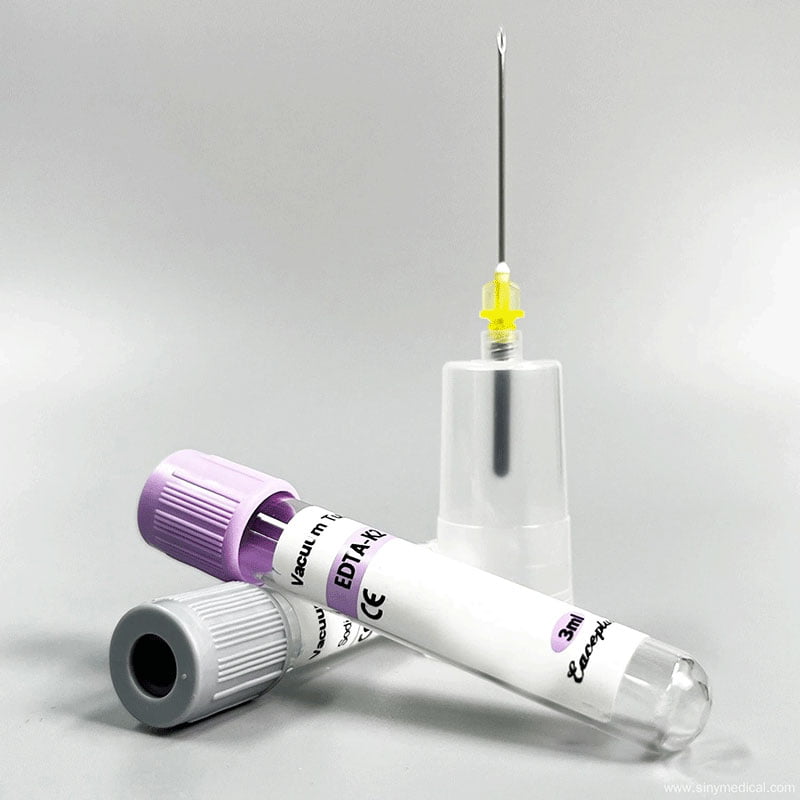
- Blood Draw: A small amount of blood is drawn from your arm.
- Centrifugation: The blood is processed in a centrifuge to separate the platelet-rich plasma.
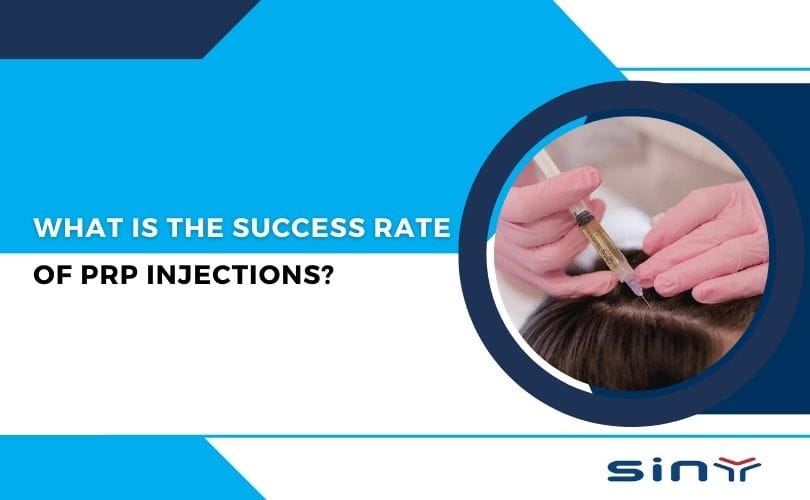
- Injection: The concentrated PRP is injected into the scalp using a fine needle.
- Post-Treatment Care: Patients can resume normal activities immediately, though mild redness or swelling may occur.
For optimal results, most patients require 3-6 sessions, spaced 4-6 weeks apart, followed by maintenance treatments every 6-12 months.
Benefits of PRP for Hair Regrowth
PRP therapy offers several advantages for individuals seeking a non-surgical hair restoration solution:
- Natural Treatment: Uses the patient’s own blood, minimizing the risk of allergic reactions or side effects.
- Minimally Invasive: No incisions or downtime required.
- Versatile: You can combine PRP therapy with other hair loss treatments, such as minoxidil or finasteride.
- Long-Lasting Results: With proper maintenance, the effects of PRP can last for years.
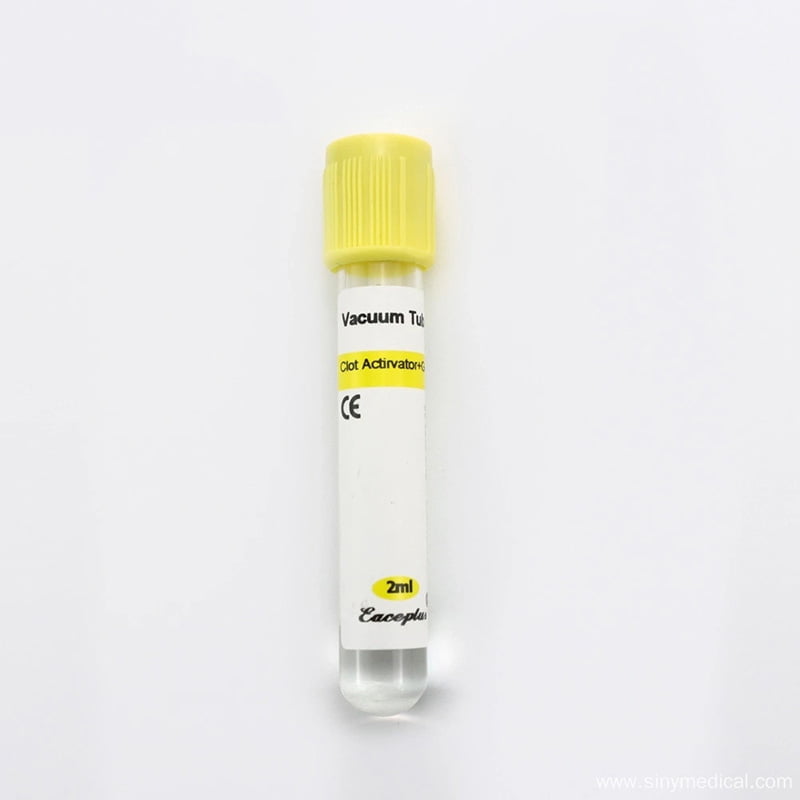
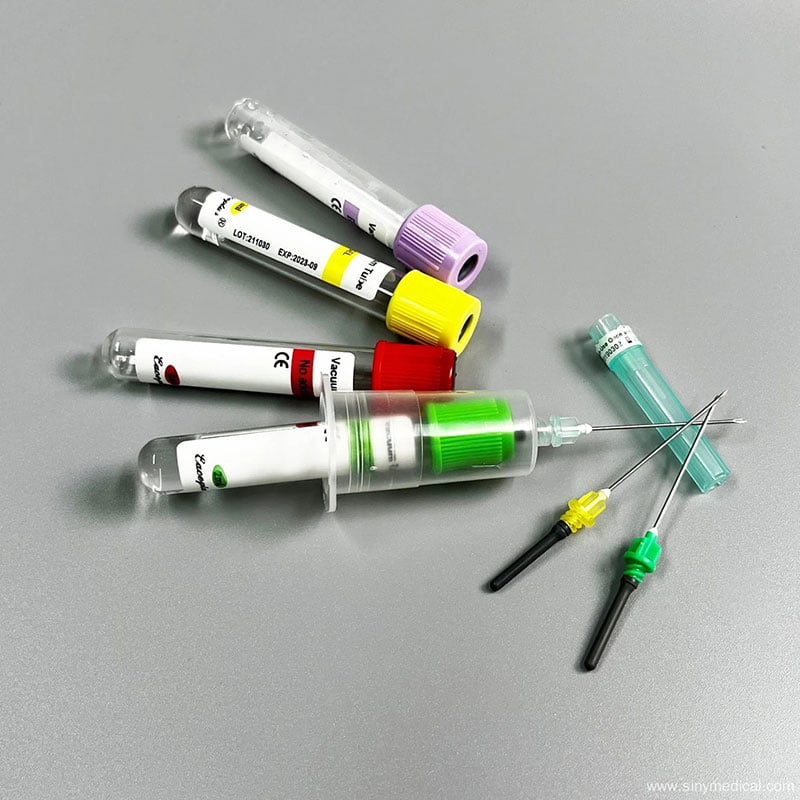
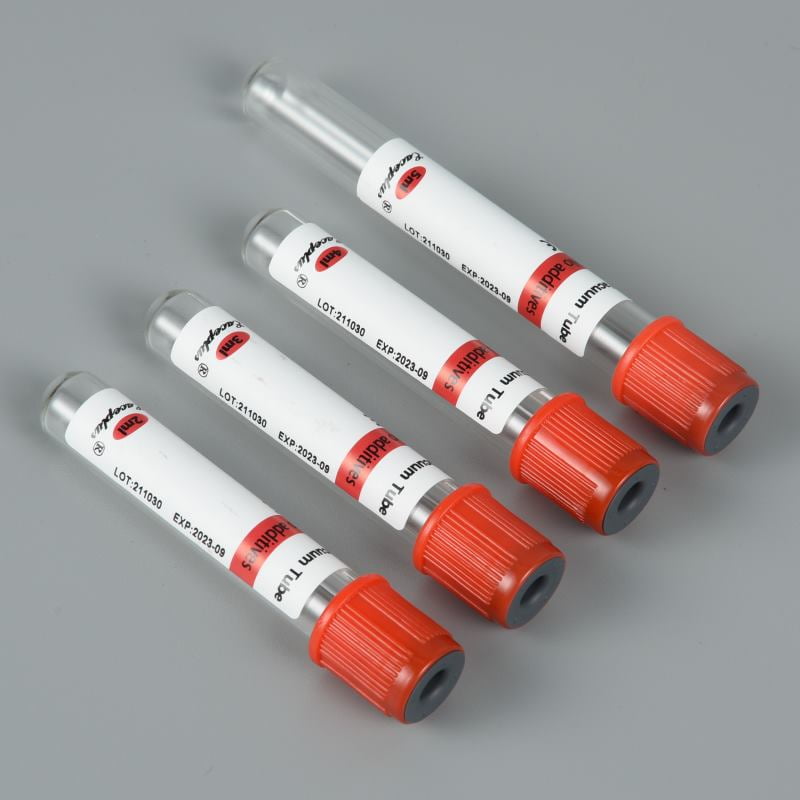
Explore our range of PRP tubes for hair treatment to learn more about the tools used in this procedure.
Potential Side Effects and Risks
While PRP is generally safe, some patients may experience mild side effects, including:
- Temporary redness or swelling at the injection site.
- Mild discomfort during the procedure.
- Rare cases of infection if proper sterilization protocols are not followed.
These side effects usually last for a short time and resolve themselves. Always make sure a qualified professional performs your PRP treatment.
PRP vs. Other Hair Loss Treatments
How does PRP compare to other hair loss treatments? Here’s a quick overview:
| Treatment | Pros | Cons |
|---|---|---|
| PRP Therapy | Natural, minimally invasive, long-lasting | Requires multiple sessions, cost |
| Minoxidil | Over-the-counter, easy to use | Must be used indefinitely, limited efficacy |
| Finasteride | Effective for pattern baldness | Prescription required, potential side effects |
| Hair Transplant | Permanent results | Surgical procedure, higher cost |
For a comprehensive comparison, visit our PRP Tube for Hair Treatment page.
Summary
PRP therapy is a promising, non-surgical option for individuals experiencing hair loss. By harnessing the power of your own blood, PRP stimulates hair follicles, improves scalp health, and promotes hair regrowth. While results may vary, many patients report significant improvements in hair density and thickness.
If you’re considering PRP for hair regrowth, consult with a specialist to determine if it’s the right solution for you. For more information on PRP tubes and treatments, visit Siny Medical.
Follow us on YouTube for the latest updates and insights on PRP therapy. For high-quality PRP products, explore our offerings on Made-in-China.
FAQs
How long does it take to see results from PRP?
Most patients notice improvements in hair density and thickness after 3-6 sessions. Full results may take up to 6-12 months.
Is PRP painful?
The procedure generally tolerates well. Applying a topical anesthetic minimizes discomfort.
Can PRP be combined with other treatments?
You can combine PRP with medications like minoxidil or hair transplant surgery to achieve enhanced results.
How much does PRP cost?
The cost varies depending on the clinic and the number of sessions required. Contact Siny Medical for a personalized quote.
Are the results permanent?
While PRP can deliver long-lasting results, experts recommend maintenance sessions to sustain the effects.