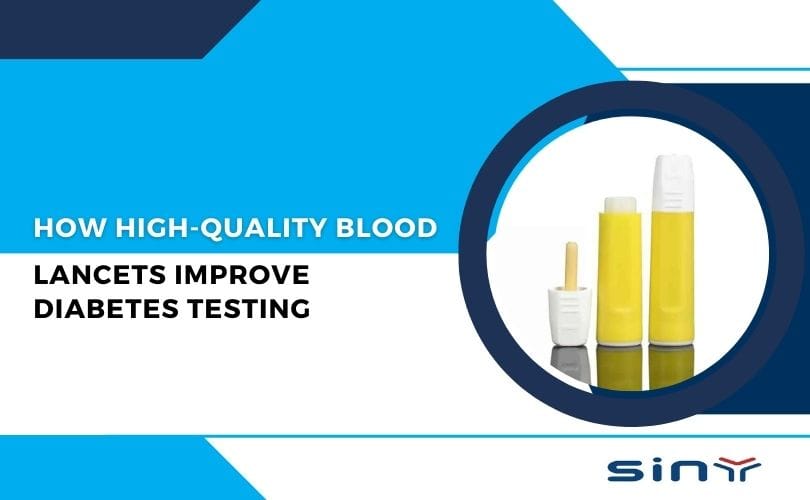
Blood lancets are small, disposable medical devices designed with a sharp point to prick the skin and obtain a small blood sample for glucose testing. These simple yet essential tools have evolved significantly since their introduction, with modern designs focusing on comfort, safety, and precision. The mechanism is straightforward: when the lancet is activated, it creates a small puncture in the skin, typically on the side of a fingertip, allowing a droplet of blood to form for collection on a test strip.
The effectiveness of this process depends heavily on the lancet’s quality and design. A well-made lancet creates a clean, controlled puncture that produces an adequate blood sample without excessive trauma to the skin. This precision is crucial for accurate testing, as insufficient blood or contaminated samples can lead to erroneous readings. For those new to diabetes management, understanding the basics of how these devices function is essential. You can learn more about the fundamentals of these essential tools in our detailed guide on what’s a blood lancet.
Table of Contents
- 1 Understanding Blood Lancets and Their Role in Diabetes Testing
- 2 Why Testing Accuracy Matters for Diabetes Management
- 3 How Blood Lancets Affect Sample Quality
- 4 Features of High-Quality Blood Lancets
- 5 Types of Blood Lancets: A Comprehensive Comparison
- 6 Why Siny Medical’s Blood Lancets Stand Out
- 7 Summary
- 8 FAQs
Understanding Blood Lancets and Their Role in Diabetes Testing
Before discussing accuracy, it helps to understand exactly what a blood lancet does.
A sterile blood lancet punctures the skin, usually on the fingertip, to obtain a small blood sample. A glucose meter or laboratory device then analyzes that sample.
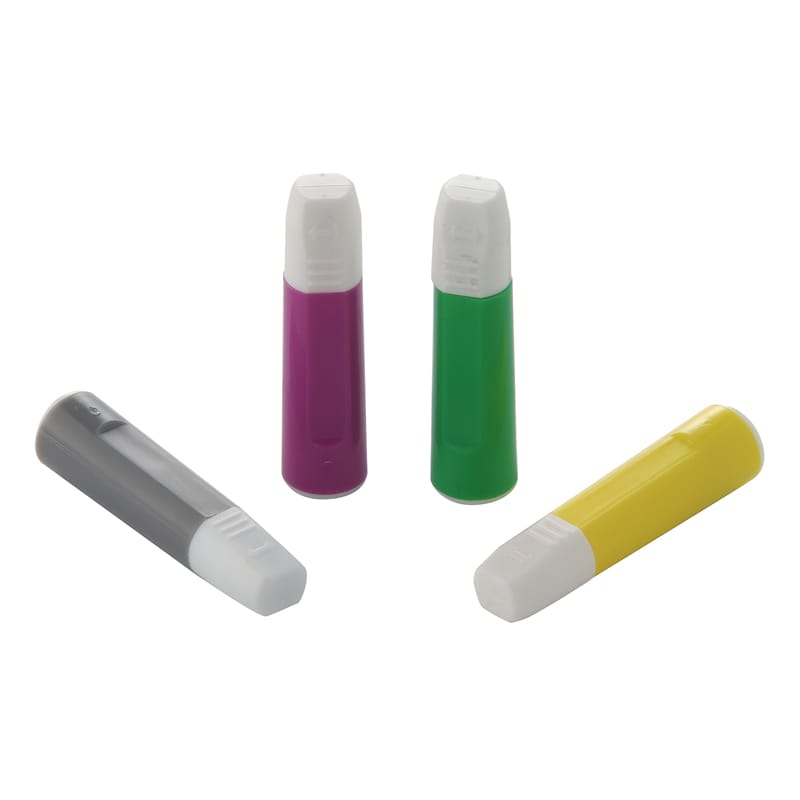
If you are unfamiliar with how these devices blood lancet work, you can read this detailed guide explaining
how a blood lancet functions:
Manufacturers design high-quality blood lancets with precision tips and sterile materials to ensure consistent punctures and reliable blood flow.
Healthcare professionals also use lancets during blood collection needle procedures alongside devices such as and https://www.sinymedical.com/butterfly-needle/.
While those tools are commonly used in hospitals, blood lancets are essential for self-monitoring of blood glucose (SMBG) at home.
Why Testing Accuracy Matters for Diabetes Management
Accurate glucose readings are critical because treatment decisions depend on them.
If readings are incorrect, patients may:
- Take the wrong insulin dose
- Eat unnecessary carbohydrates
- Miss warning signs of hyperglycemia or hypoglycemia
According to the International Diabetes Federation, more than 537 million adults worldwide live with diabetes, and daily monitoring is essential for controlling complications.
Even small inaccuracies can lead to major health consequences over time.
Testing accuracy depends on several factors:
| Factor | Impact on Results |
|---|---|
| Quality of blood lancet | Determines sample quality |
| Glucose meter calibration | Affects measurement precision |
| User technique | Influences sample collection |
| Hygiene and sterility | Prevents contamination |
Among these variables, the quality of Blood Lancets directly affects the blood sample itself.
How Blood Lancets Affect Sample Quality
When a lancet punctures the skin, it must collect a sufficient blood sample without damaging tissue.

Low-quality lancets may:
- Produce shallow punctures
- Cause irregular wounds
- Lead to poor blood flow
- Require repeated pricks
This can lead to diluted or inconsistent blood samples, which may reduce test accuracy.
High-quality blood lancets are engineered to provide:
- Controlled penetration depth
- Consistent needle sharpness
- Smooth puncture action
- Minimal tissue trauma
Manufacturers such as sinymedical design lancets specifically for reliable diagnostic performance.
Features of High-Quality Blood Lancets
When evaluating blood lancets, several key features distinguish high-quality options from inferior ones. Understanding these characteristics can help you make informed decisions about your diabetes management supplies.
Gauge Size: The gauge of a lancet refers to its diameter, with higher numbers indicating thinner needles. Most blood lancets range from 28 to 33 gauge. Thinner lancets (higher gauge numbers) typically cause less pain but may not provide adequate blood for some individuals, especially those with calloused skin. Quality lancets come in various gauge options to suit different needs and skin types.
Sharpness and Consistency: Premium lancets undergo advanced manufacturing processes to ensure exceptional sharpness. This sharpness creates a cleaner puncture with less tissue trauma, resulting in less pain and better blood flow. The consistency of this sharpness across batches ensures reliable performance with each use.
Sterility: High-quality blood lancets are individually wrapped and sterilized to prevent infection. This is particularly important as the puncture site creates a potential entry point for bacteria. Quality manufacturers follow strict protocols to ensure each lancet remains sterile until use.
Safety Features: Many modern blood lancets incorporate safety features to prevent accidental needlesticks and cross-contamination. These may include protective caps that automatically cover the needle after use or designs that minimize exposure to the sharp point. For healthcare professionals or those assisting others with testing, these safety features are essential.
Material Quality: The materials used in lancet construction affect both performance and comfort. High-quality stainless steel or surgical steel maintains its sharpness better than inferior metals and is less likely to cause allergic reactions or skin irritation.
Types of Blood Lancets: A Comprehensive Comparison
Blood lancets come in various types, each designed to meet specific needs and preferences. Understanding these differences can help you select the most appropriate option for your situation.
Standard Lancets: These are the most basic type, consisting of a simple needle encased in plastic. They’re manually inserted into lancing devices and require removal and proper disposal after use. While effective, they offer minimal safety features beyond basic needle protection.
Safety Lancets: These advanced devices incorporate safety mechanisms to prevent accidental needlesticks. Many feature retractable needles that automatically withdraw after use or protective shields that cover the sharp point. Safety lancets are particularly valuable in clinical settings or for those with limited dexterity.
Gauge Variations: As mentioned earlier, lancets come in different gauge sizes. Thinner lancets (higher gauge numbers) generally cause less pain but may not provide sufficient blood for all users. Thicker lancets (lower gauge numbers) create a larger puncture and may be necessary for those with calloused skin or poor circulation.
Specialty Lancets: Some manufacturers offer lancets designed for specific populations or needs. For example, some lancets are designed specifically for children or for use on alternative testing sites like the palm or forearm.
For a more detailed comparison of different types, including the debate between disposable and reusable options, you may find our article on disposable vs. reusable blood lancets helpful.
Why Siny Medical’s Blood Lancets Stand Out
In the competitive market of diabetes care supplies, Siny Medical has established itself as a trusted provider of high-quality blood lancets. Our commitment to excellence in manufacturing, quality control, and customer satisfaction sets us apart from competitors.
Our blood lancets are manufactured using state-of-the-art processes that ensure exceptional sharpness and consistency. Each lancet undergoes rigorous quality control testing to verify its performance characteristics. This attention to detail results in products that deliver reliable, comfortable testing experiences time after time.
Siny Medical prioritizes safety in all our products. Our lancets feature advanced safety mechanisms that minimize the risk of accidental needlesticks, making them suitable for both home use and clinical settings. The sterile packaging ensures each lancet remains hygienic until use.
Our commitment to quality extends beyond the products themselves. We maintain rigorous standards throughout our manufacturing process, from raw material selection to final packaging. This comprehensive approach to quality control ensures that every lancet bearing the Siny Medical name meets our exacting standards.
Customer satisfaction is at the heart of our business philosophy. We continuously seek feedback from users to improve our products and develop new solutions that address real-world challenges in diabetes management. This customer-centric approach has earned us a reputation for reliability and excellence in the medical supply industry.
For those interested in our complete range of medical supplies, including blood collection needles and butterfly needles, we invite you to explore our full product catalog. For personalized assistance or to learn more about our blood lancets, please don’t hesitate to contact us.
Summary
Accurate diabetes monitoring begins with reliable medical tools. Among these tools, Blood Lancets play a critical role in obtaining high-quality blood samples for glucose testing.
High-quality lancets improve testing accuracy by producing consistent punctures, reliable blood flow, and minimal tissue damage. They also reduce discomfort, encourage regular monitoring, and lower infection risks.
As diabetes continues to affect millions worldwide, investing in safe, sterile, and precision-engineered Blood Lancets remains essential for both healthcare professionals and patients.
If you want to explore reliable lancet products or learn more about diagnostic solutions, visit
or contact the manufacturer directly:
Reliable testing begins with reliable tools—and high-quality blood lancets make that possible.
FAQs
How often should I change my blood lancets to maintain accuracy?
You should change your blood lancets after every single use. Once a needle has touched the skin, it is no longer sterile and the tip begins to dull and hook at a microscopic level. Reusing a lancet can cause unnecessary pain, skin tearing, and potential contamination of the blood sample, which may lead to inaccurate glucose readings.
Can using the wrong size of blood lancets affect my results?
Yes, the gauge of blood lancets can impact the quality of the blood sample. If a lancet is too thin (high gauge) for your skin type, you may not get enough blood and might be tempted to squeeze your finger. This “milking” process introduces interstitial fluid into the sample, which can dilute the blood and lead to an inaccurate glucose reading.
Do blood lancets have an expiration date?
Yes, blood lancets typically have an expiration date printed on the packaging. While the metal needle doesn’t “expire” in a traditional sense, the sterility of the packaging is only guaranteed for a certain period. Using expired lancets could lead to infections at the site of the prick, which can interfere with the healing process and the accuracy of future tests.