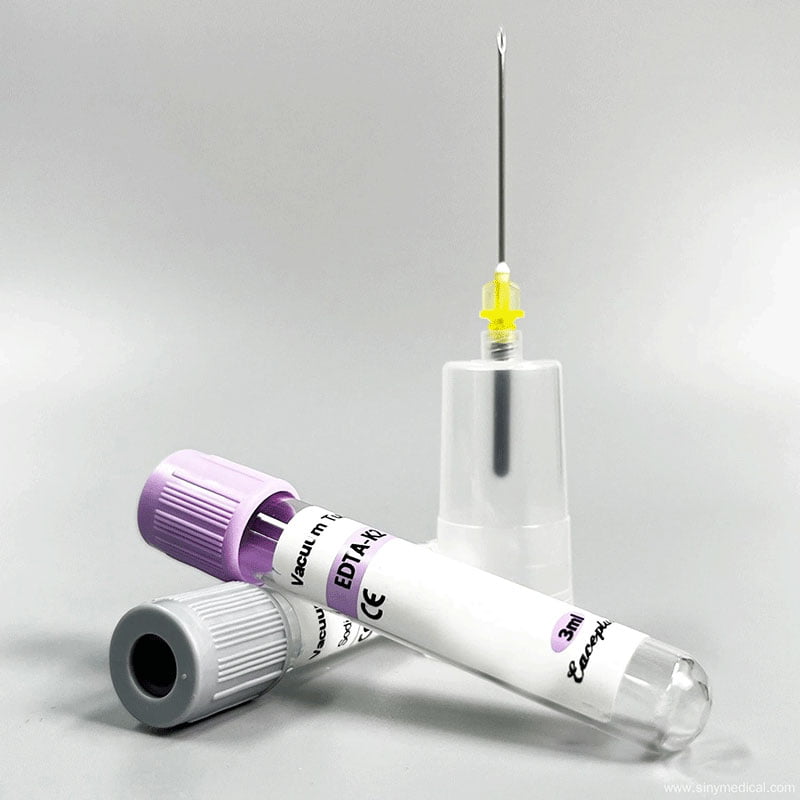

The right blood collection tube is one of the most critical yet often underestimated steps in laboratory diagnostics. A small mistake at this stage can compromise sample integrity, affect test accuracy, and ultimately influence patient outcomes. For clinicians, laboratory technicians, and procurement professionals, understanding the suitable blood collection tube for serum and plasma is essential for reliable results and efficient workflows.
In this in-depth guide, we will explore how blood collection tubes work, the differences between serum and plasma, and how to select the most suitable blood collection tube for serum based on clinical applications. Drawing on industry standards, real laboratory practices, and trusted resources from Siny Medical, we wrote this article to be practical, easy to follow, and scientifically accurate.
Table of Contents
- 1 What is a Blood Collection Tube for Serum?
- 2 Understanding Blood Components: Serum vs Plasma
- 3 Comparison: Serum vs Plasma Collection Tubes
- 4 How Vacuum Blood Collection Tubes Work
- 5 Choosing the Suitable Blood Collection Tube for Serum
- 6 Special Clinical Applications
- 7 Quality Standards and Manufacturing Excellence
- 8 Final Summary
- 9 FAQs
What is a Blood Collection Tube for Serum?
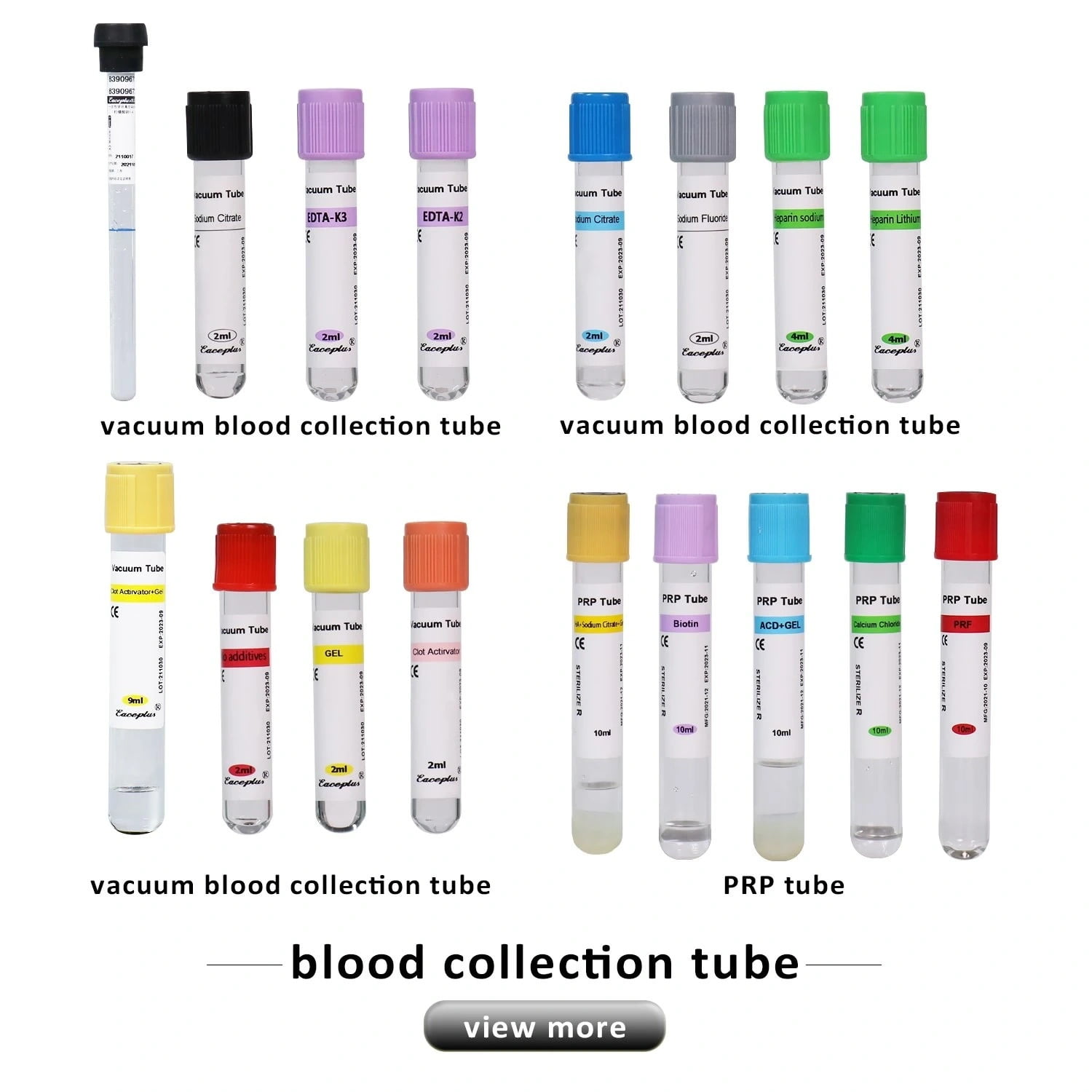
A blood collection tube for serum is a specialized container designed to collect and process blood samples for serum separation. Serum, the liquid portion of blood after clotting, is vital for numerous diagnostic tests, including cholesterol panels, liver function tests, and hormone assays. Manufacturers craft these tubes from high-quality plastic or glass and equip them with specific additives or coatings to enhance clotting and separation.
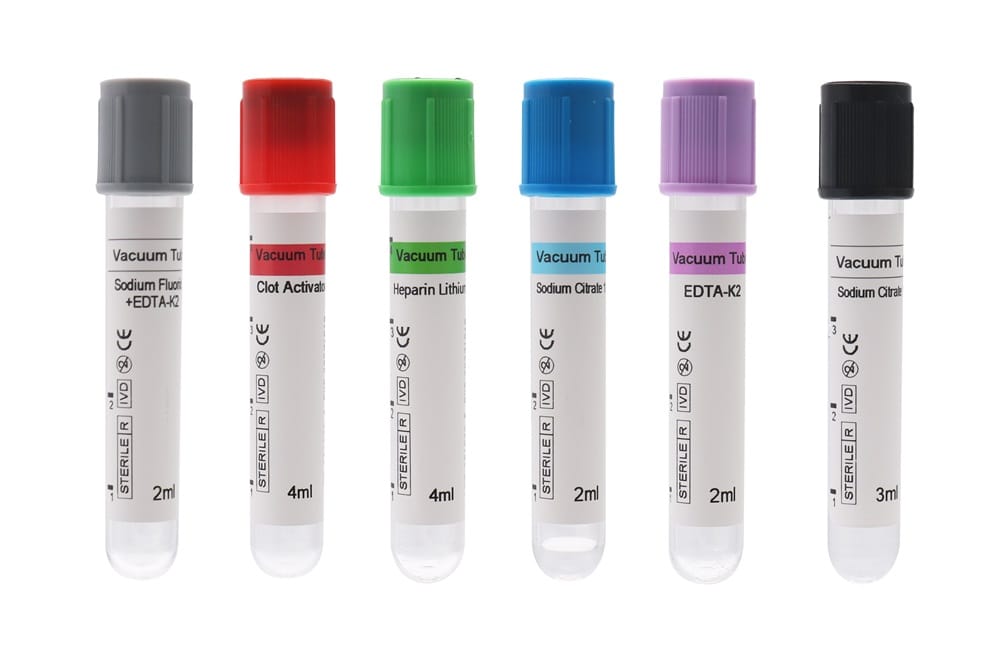
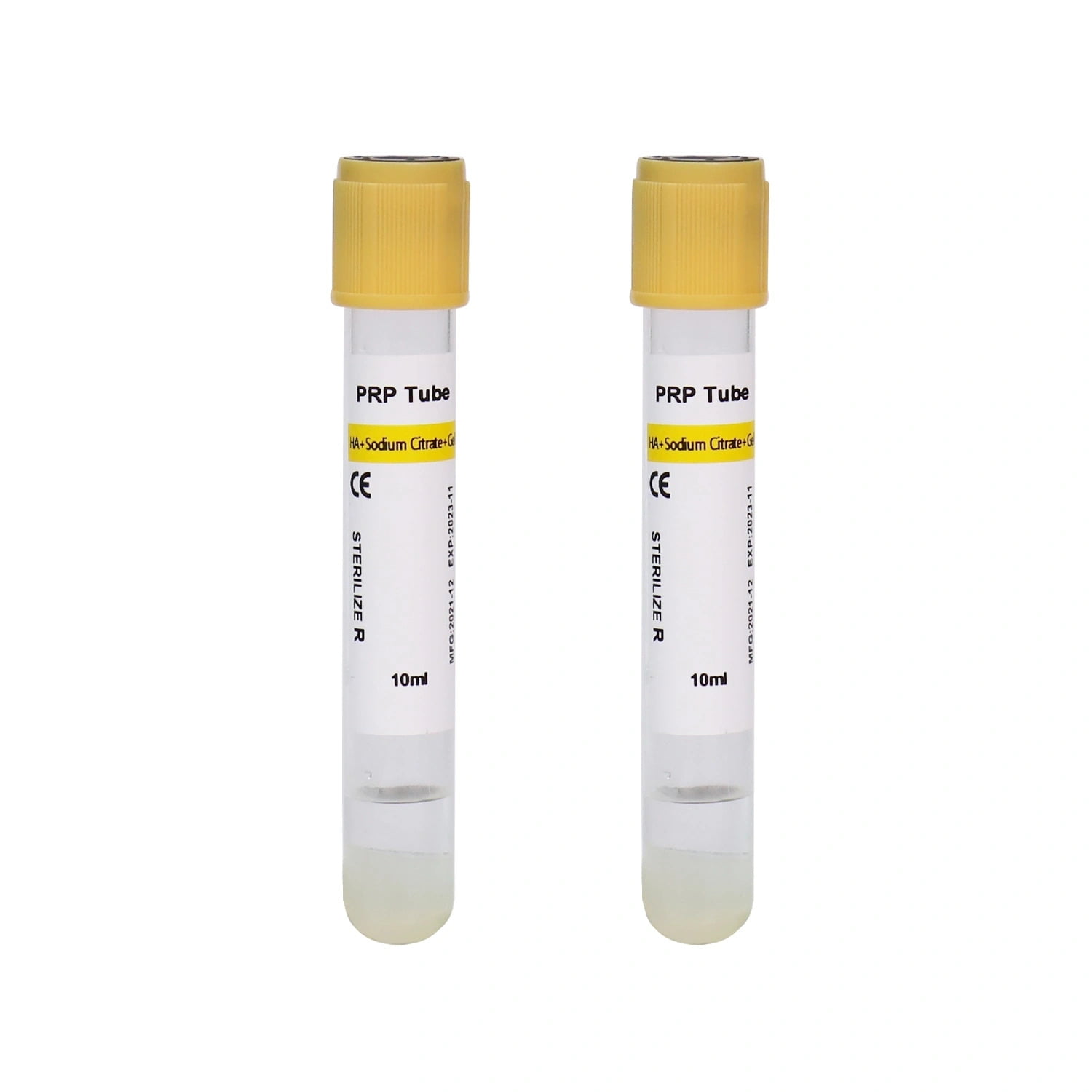
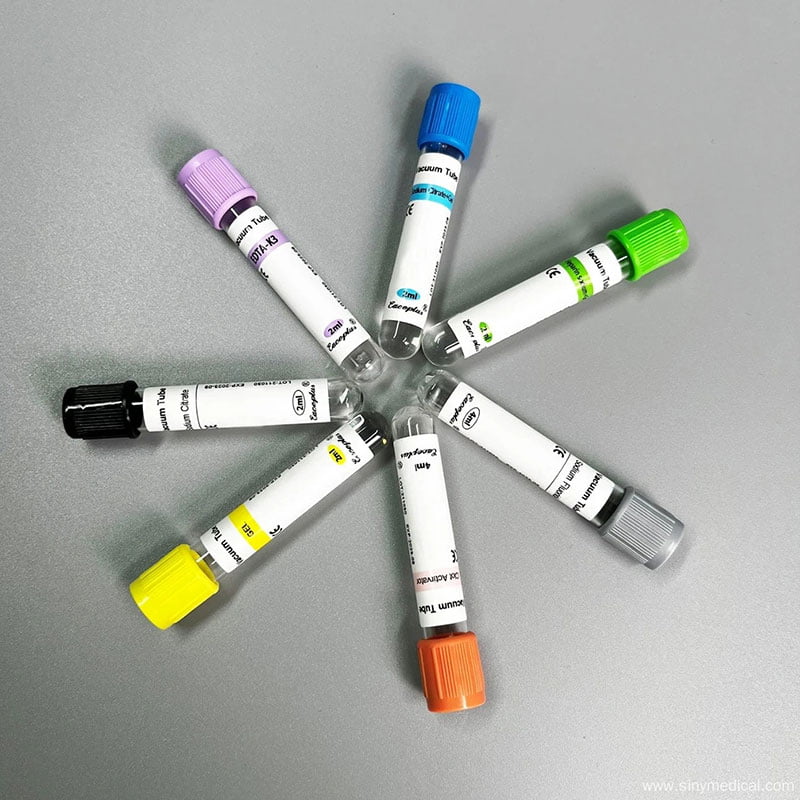
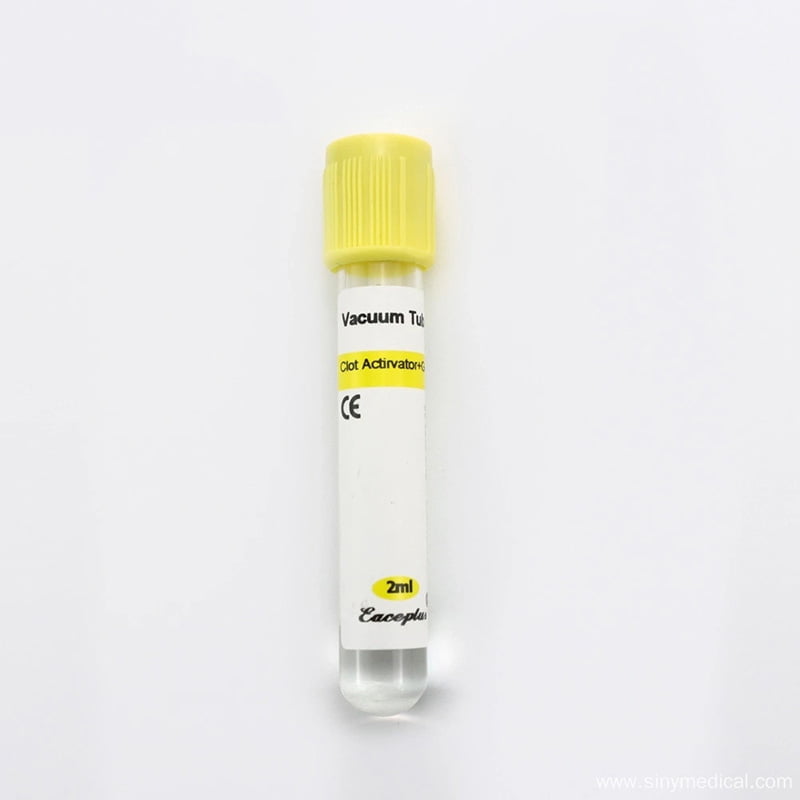
For instance, Siny Medical offers a range of serum tubes, including the Yellow Cap Coagulant Disposable Blood Collection Vessel, which is widely used in clinical settings.
Understanding Blood Components: Serum vs Plasma
Before selecting a blood collection tube, it is important to understand what serum and plasma actually are, because their differences directly influence tube choice.
What Is Serum?
he liquid portion of blood separates after coagulation to form serum. A tube without anticoagulants allows blood to clot naturally. After centrifugation, the clear liquid above the clot is serum. This fluid contains electrolytes, antibodies, enzymes, hormones, and proteins, but does not contain fibrinogen or clotting factors.
Serum is commonly used in:
- Clinical chemistry tests
- Immunology and serology assays
- Hormone and antibody testing
For these applications, using the correct blood collection tube for serum is non-negotiable, as additives can interfere with sensitive assays.
What Is Plasma?
When collecting blood into a tube containing anticoagulants, plasma is obtained. These additives prevent clotting, enabling the separation of the liquid portion of blood while retaining clotting factors, such as fibrinogen.
Plasma is widely used in:
- Coagulation studies
- Emergency testing where rapid processing is required
- Molecular and specialized diagnostic assays
The distinction between serum and plasma testing becomes clearer when you understand why different tubes are necessary.
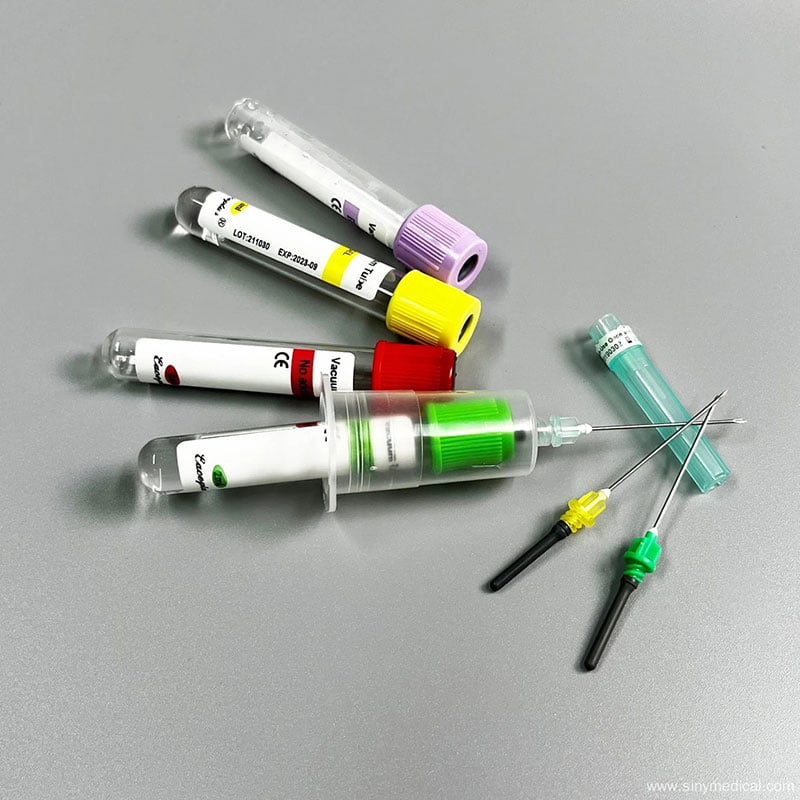
Types of Blood Collection Tubes for Serum and Plasma
- Serum Separator Tubes (SST)
- These tubes contain a gel separator that moves between the serum and clot during centrifugation, ensuring a clean serum sample.
- Commonly used for chemistry and serology tests.
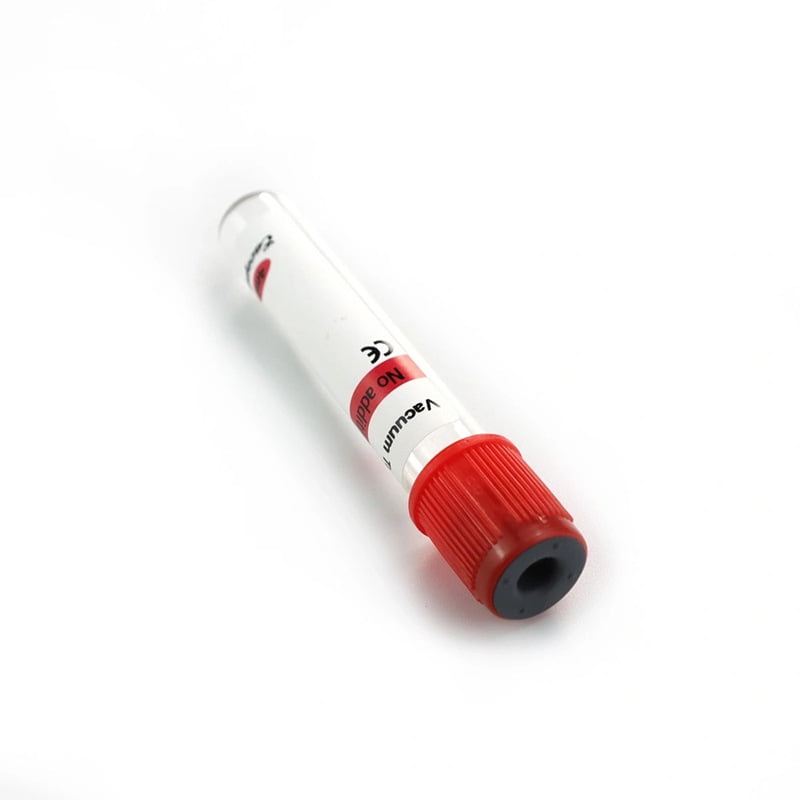
- Plain Tubes (No Additive)
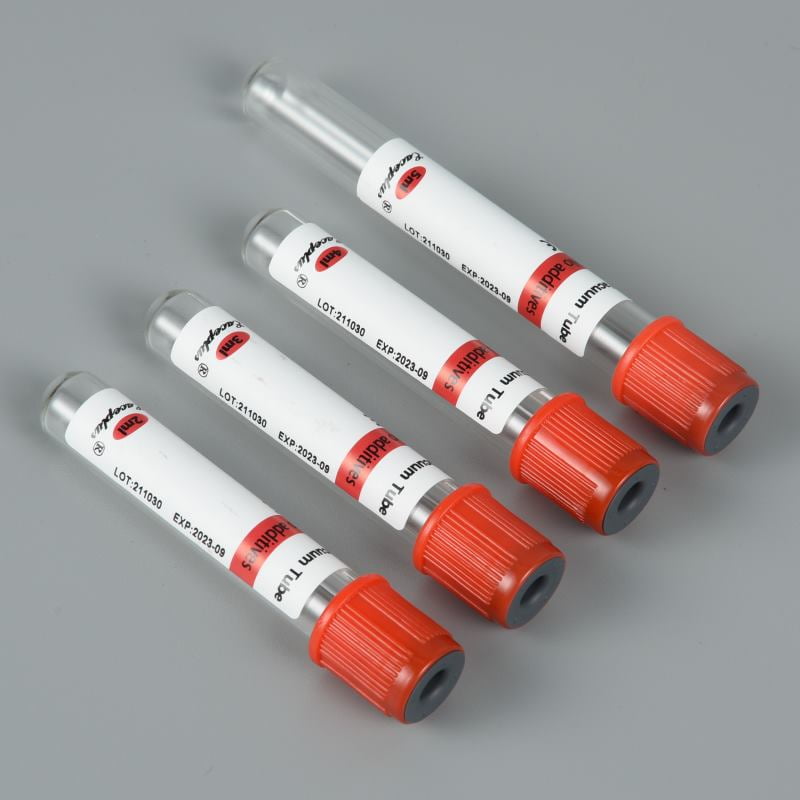
- These tubes contain no additives and are ideal for collecting blood for serum tests that do not require anticoagulants.
- Example: Additive-Free Medical Test Tube for Serum Collection by Siny Medical.
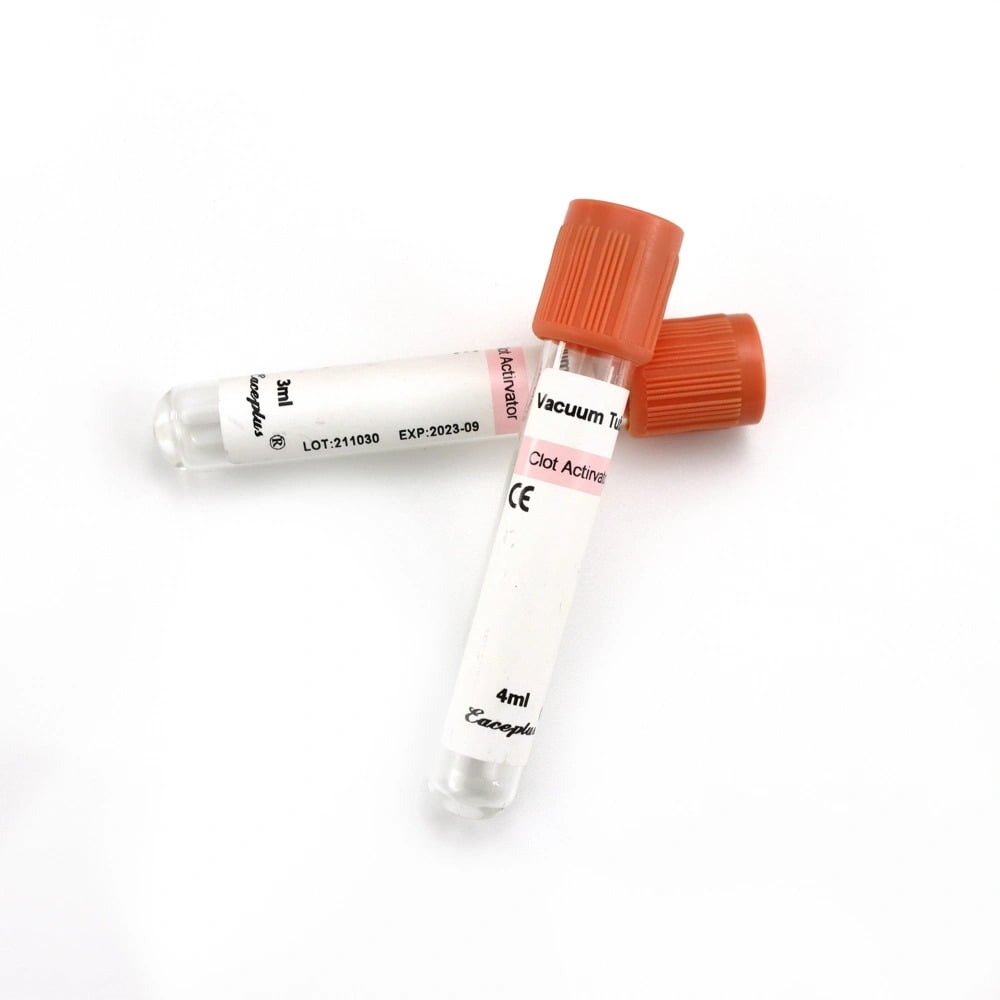
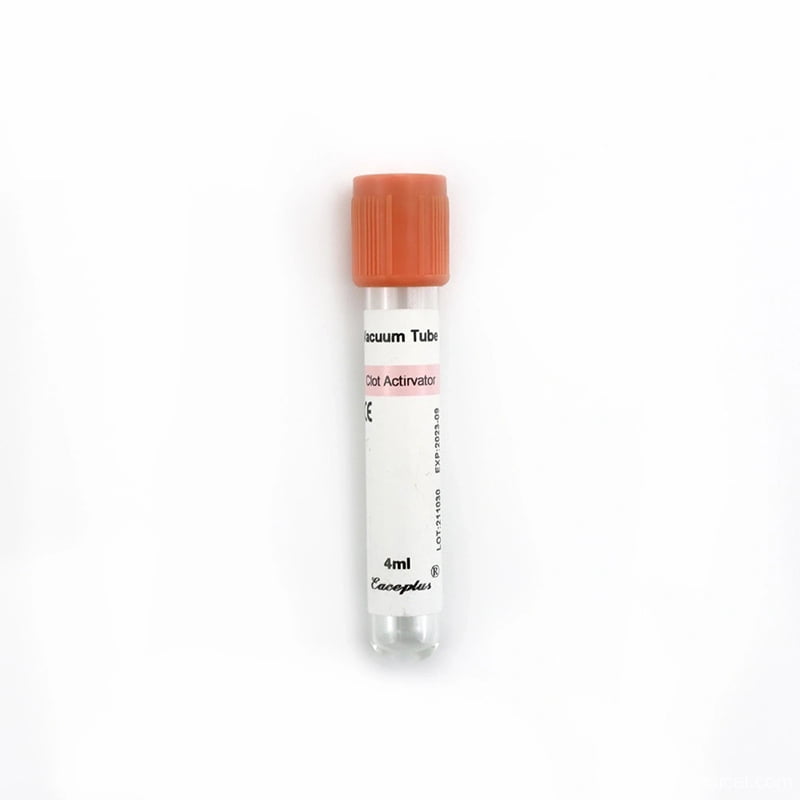
- Clot Activator Tubes
- These tubes contain substances like silica to accelerate clotting, making them suitable for rapid serum separation.
Blood Collection Tubes for Plasma
Plasma tubes contain anticoagulants such as:
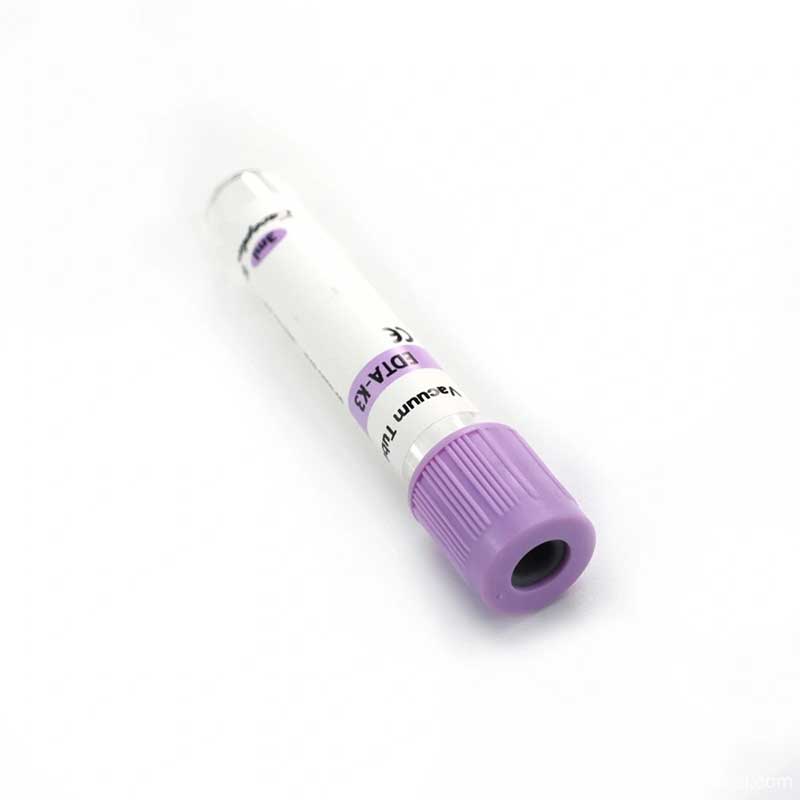
- EDTA – for hematology and molecular tests
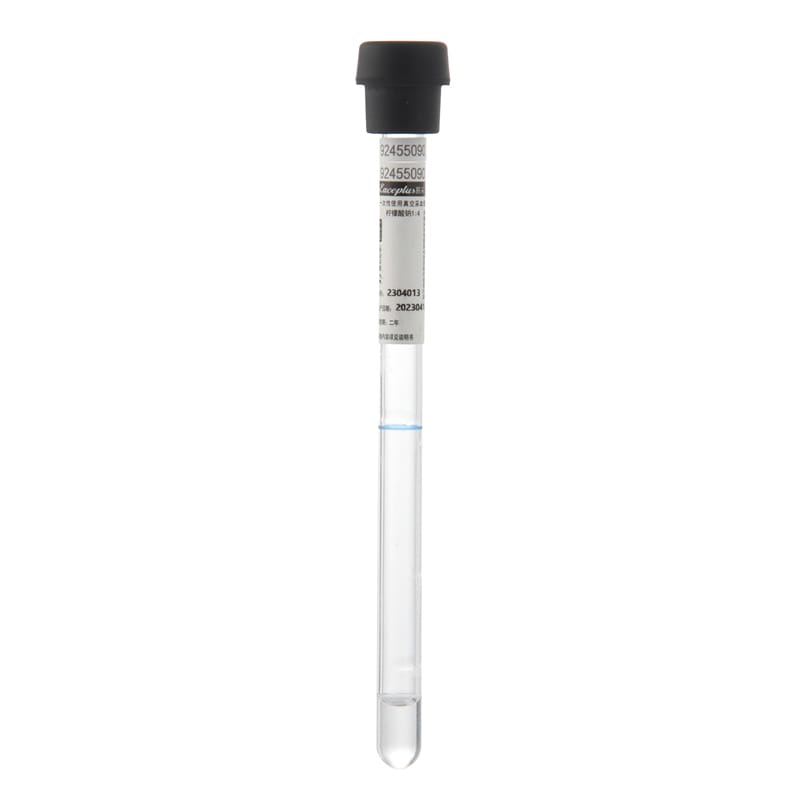
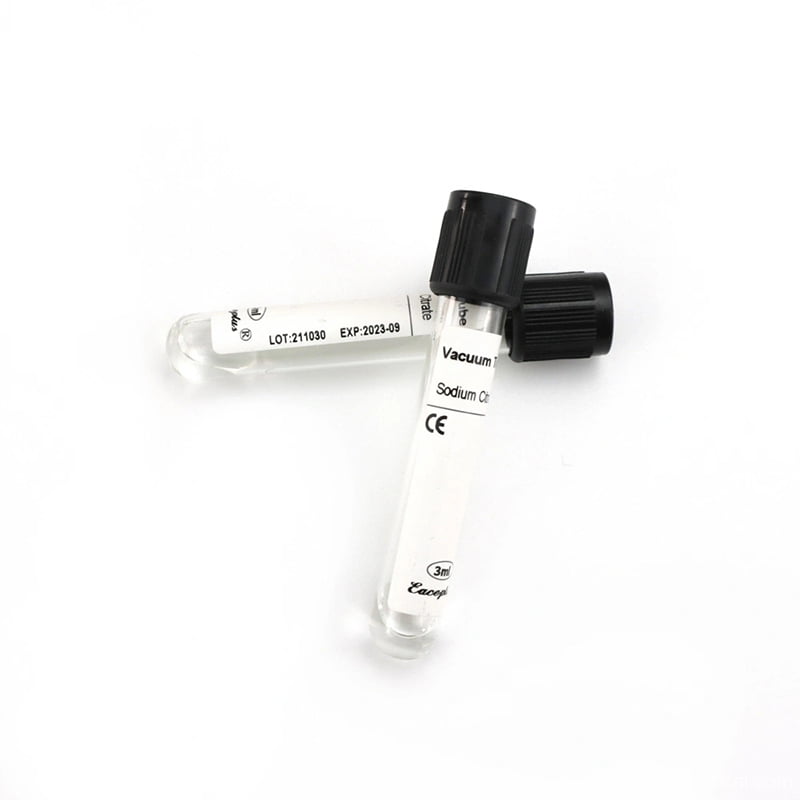
- Sodium citrate – for coagulation studies
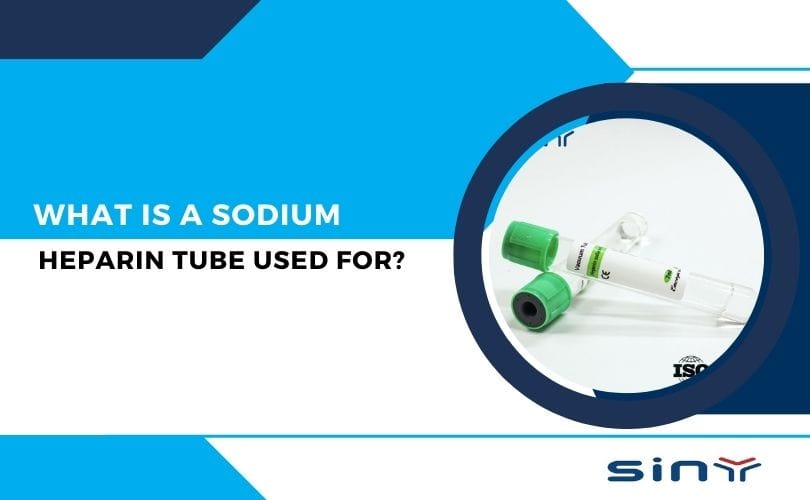
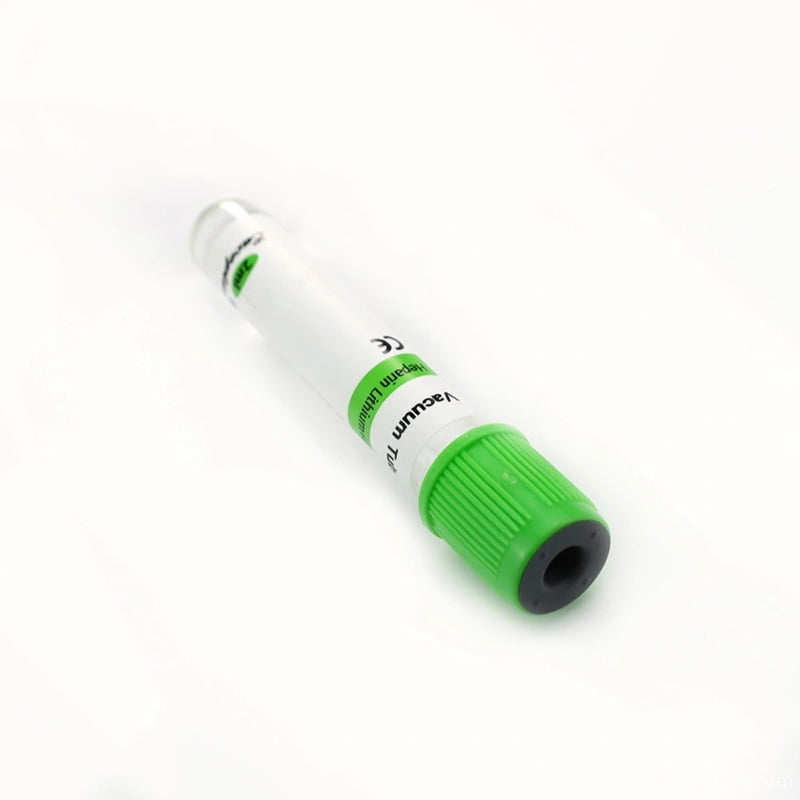
- Heparin – for chemistry and blood gas analysis
Unlike serum tubes, plasma tubes require immediate gentle mixing to prevent clot formation.
Siny Medical offers a wide range of disposable medical supplies blood collection tubes suitable for plasma-based testing.
Comparison: Serum vs Plasma Collection Tubes
| Feature | Serum Tubes | Plasma Tubes |
|---|---|---|
| Additives | None or clot activator | Anticoagulants |
| Clotting | Required | Prevented |
| Processing Time | Longer | Faster |
| Common Tests | Chemistry, serology | Coagulation, emergency |
| Sample Content | No clotting factors | Contains clotting factors |
This comparison highlights why using the suitable blood collection tube for serum or plasma is essential for reliable diagnostics.
How Vacuum Blood Collection Tubes Work
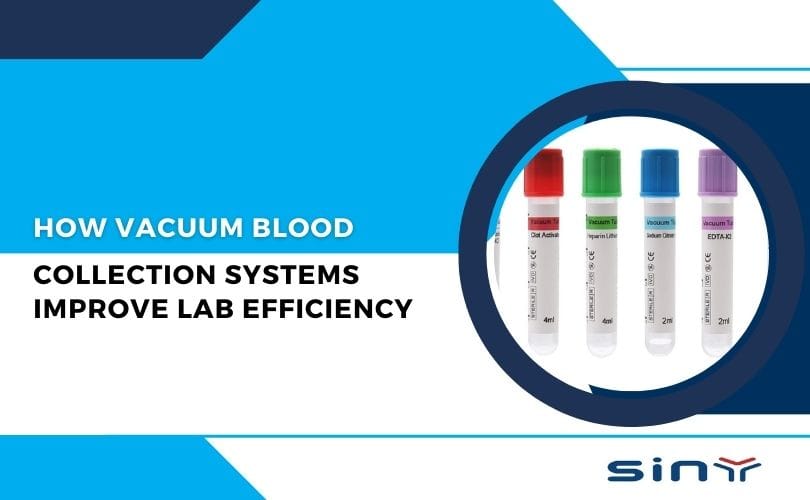
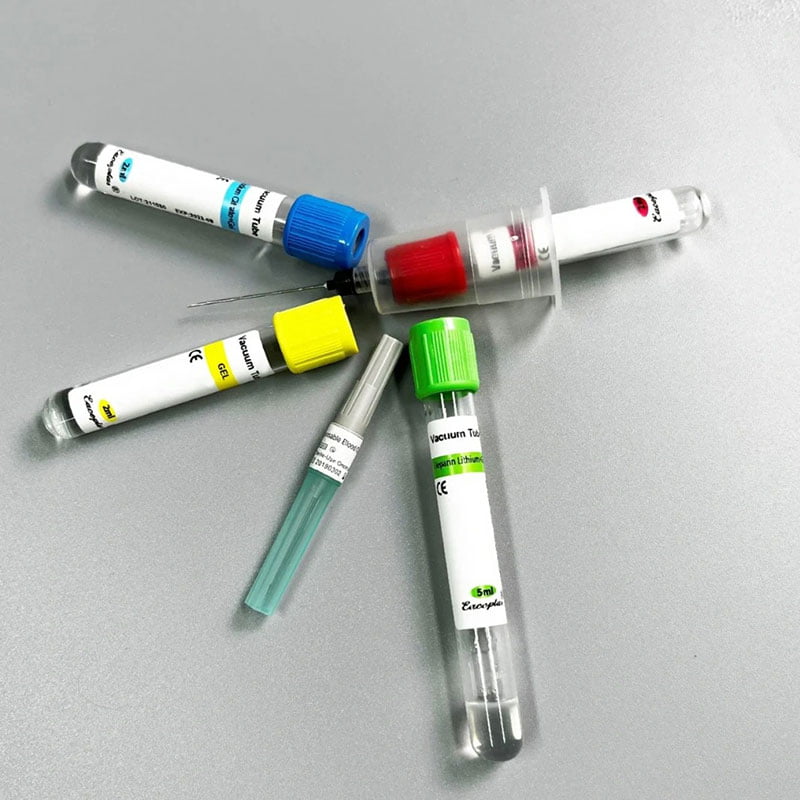
Modern blood collection systems rely on vacuum technology to ensure consistent sample volumes and reduced contamination risk. The principle of vacuum blood collection tubes is based on negative pressure, allowing blood to flow directly into the tube without manual handling.
Vacuum tubes improve:
- Sample accuracy
- Safety for healthcare workers
- Standardization across laboratories
This technology is now the global standard for blood collection.
Choosing the Suitable Blood Collection Tube for Serum
Selecting the suitable blood collection tube for serum depends on several practical factors that go beyond cap color.
Test Requirements
Some assays are highly sensitive to additives. Hormone testing, enzyme analysis, and immunoassays often require additive-free serum tubes to avoid interference.
Turnaround Time
In cases where rapid clotting is necessary, tubes containing clot activators or gel separators are the preferred choice Products like the yellow cap coagulant disposable blood collection vessel help reduce waiting time before centrifugation.
Sample Stability
Gel separator tubes improve sample stability during transport and storage, which is especially important for centralized laboratories.
Regulatory Compliance
Reputable suppliers such as Siny Medical manufacture tubes that comply with ISO and CE standards, ensuring safety and consistency.
Special Clinical Applications
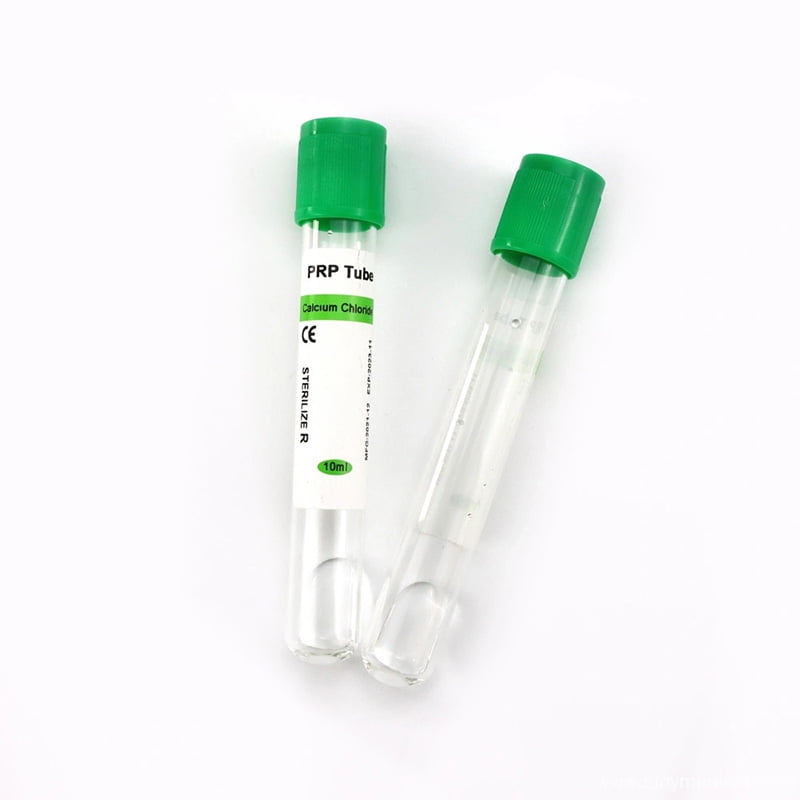
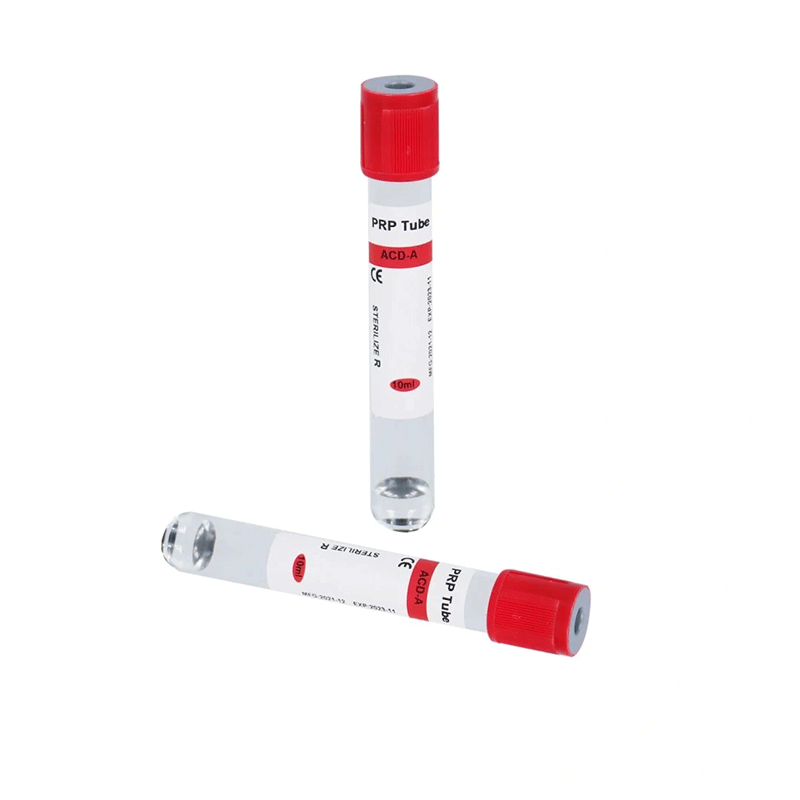
PRP Therapy
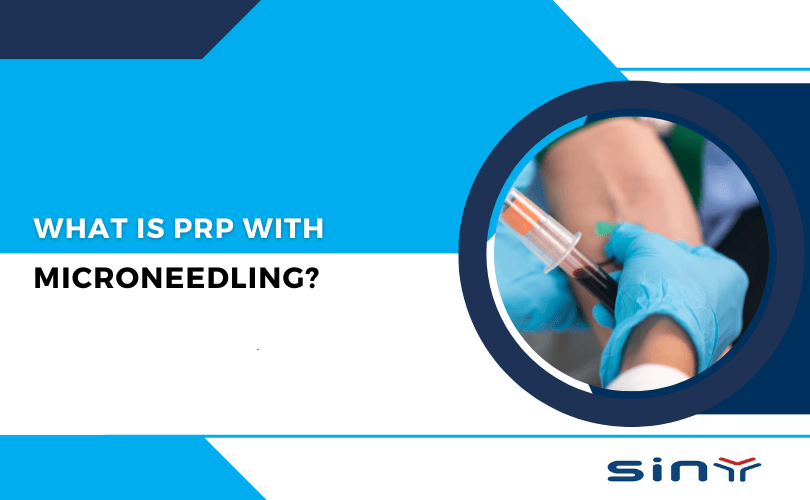
Platelet-rich plasma therapy requires precise separation of blood components. Using the wrong tube can compromise platelet concentration. Siny Medical provides detailed guidance on best blood collection tubes for PRP therapy to ensure optimal results.
HbA1c Testing
HbA1c testing requires specific anticoagulant tubes. For accurate selection, refer to what type of blood collection tubes are suitable for testing HbA1c.
Quality Standards and Manufacturing Excellence
Not all blood collection tubes are created equal. Variations in plastic quality, additive concentration, and vacuum stability can affect test outcomes.
Siny Medical manufactures its products under strict quality control systems, ensuring:
- Innovation: Continuous research and development drive the creation of cutting-edge medical supplies.
- High Precision: Every blood collection tube meets exacting standards for accuracy and reliability.
- Safety Compliance: All products adhere to international safety regulations, guaranteeing patient and user safety.
- Durability: The materials used are robust and designed to withstand handling and storage conditions.
- Consistency: Each batch undergoes rigorous testing to maintain uniformity and performance.
Their global presence, including international sourcing platforms, reflects their reputation in the medical supply industry.
Final Summary
Selecting the suitable blood collection tube for serum and plasma is a foundational step in laboratory diagnostics. Serum and plasma differ in composition, processing, and clinical use, making tube selection critical for accuracy and efficiency. By understanding additives, tube technology, and test requirements, healthcare professionals can significantly reduce pre-analytical errors.
With high-quality solutions from trusted manufacturers like Siny Medical, laboratories can ensure reliable sample collection, consistent results, and improved patient care. Choosing the right blood collection tube for serum is not just a technical detail—it is a commitment to diagnostic excellence.
FAQs
1. What is the most suitable blood collection tube for serum testing?
The most suitable blood collection tube for serum testing is an additive-free or clot activator tube, depending on the assay. Choosing the correct blood collection tube for serum ensures accurate and interference-free results.
2. Can plasma tubes be used instead of serum tubes?
Plasma tubes should not replace serum tubes unless the test specifically allows it. Using the wrong blood collection tube for serum may alter test outcomes due to anticoagulant interference.
3. Why are gel separator tubes commonly used for serum?
Gel separator tubes improve sample stability and prevent contamination. They are widely considered a reliable blood collection tube for serum in high-volume laboratories.
4. How long should blood clot before centrifugation in serum tubes?
Blood collected in a blood collection tube for serum typically requires 20–30 minutes to clot fully before centrifugation.
5. Are additive-free tubes better for all serum tests?
Not always. While additive-free tubes are ideal for sensitive assays, some tests benefit from clot activators. Selecting the right blood collection tube for serum depends on test requirements.