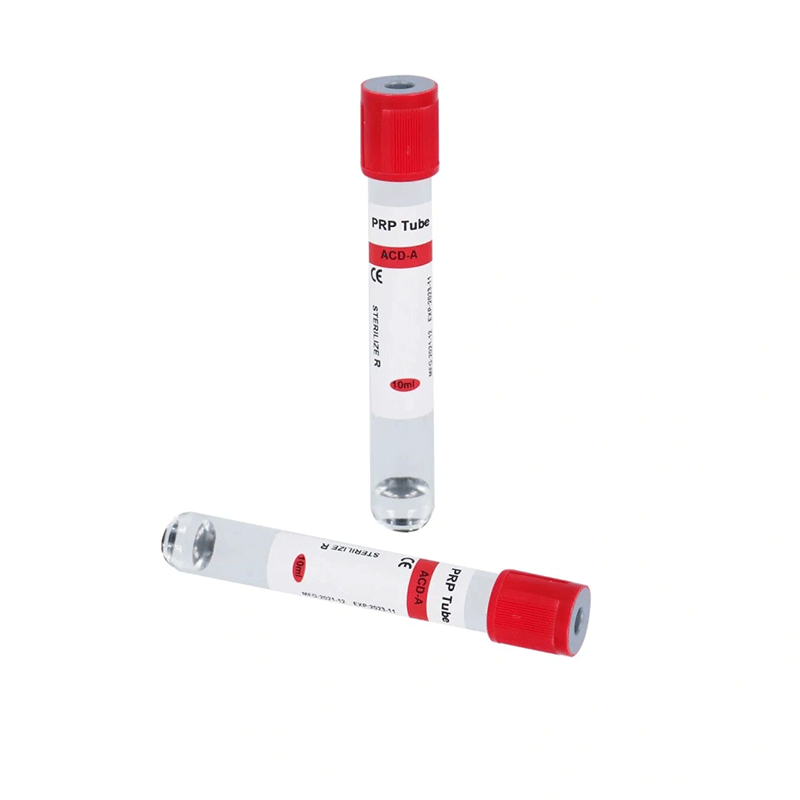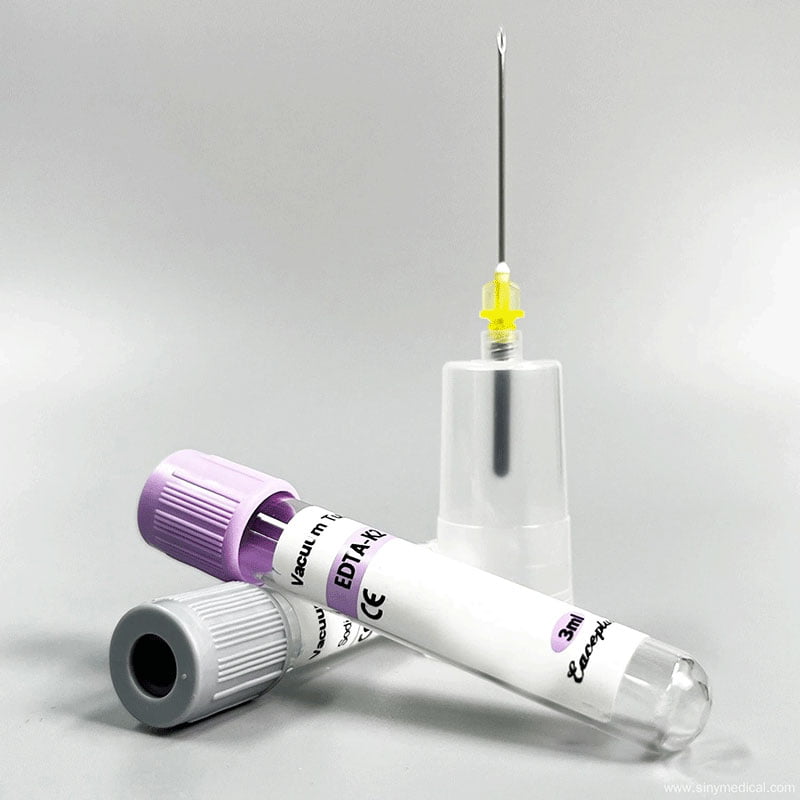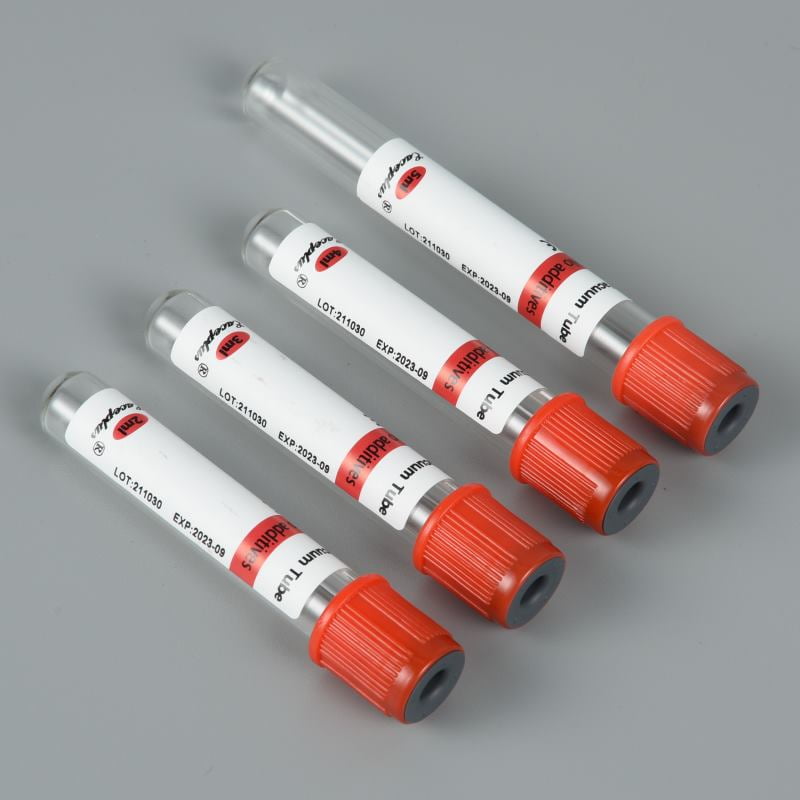
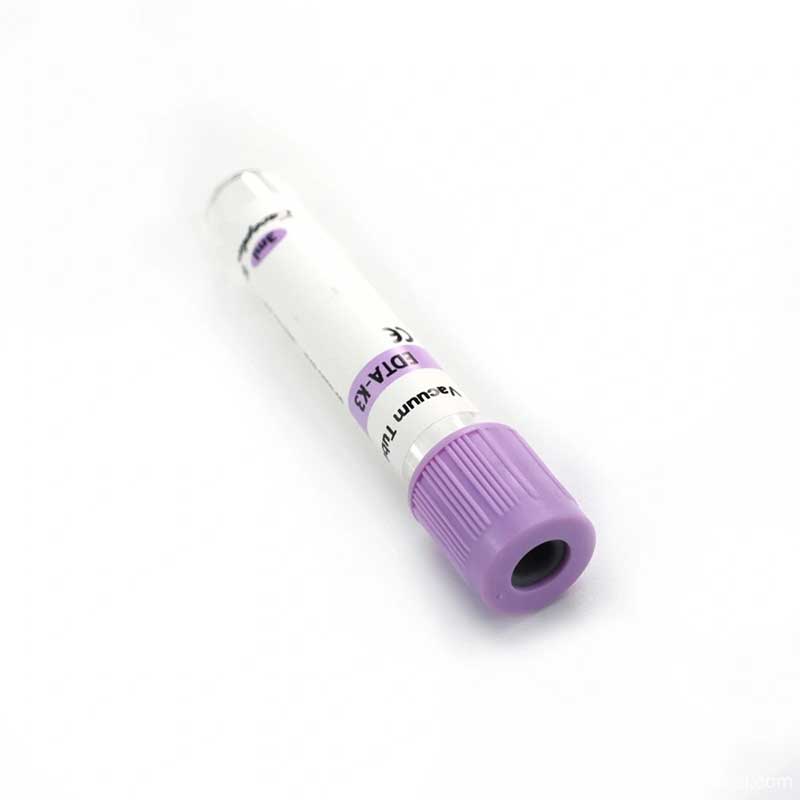
Modern diagnostics depend heavily on accurate blood sampling. A Blood Collection Set plays a central role in ensuring safe, reliable, and contamination-free specimen collection. From routine laboratory tests to specialized medical diagnostics, healthcare professionals rely on high-quality blood collection systems to maintain clinical accuracy and patient safety.
In this comprehensive guide, we explore how a blood collection set works, its components, types, applications, and best practices. We also explain how choosing the right equipment can enhance laboratory efficiency and diagnostic reliability.
Table of Contents
- 1 What Is a Blood Collection Set?
- 2 Types of Blood Collection Tubes Used in Sets
- 3 Vacuum vs Non-Vacuum Blood Collection Systems
- 4 Why a High-Quality Blood Collection Set Matters for Patient Safety
- 5 Step-by-Step Guide to Using a Blood Collection Set
- 6 Specialized Tubes and Their Interaction with Collection Sets
- 7 Summary
- 8 FAQs
What Is a Blood Collection Set?
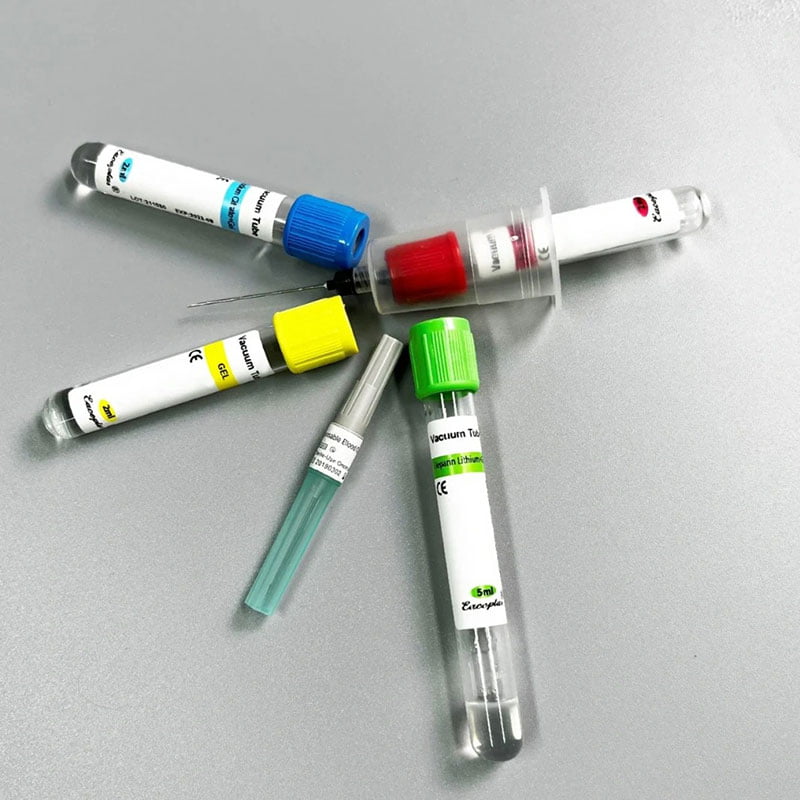
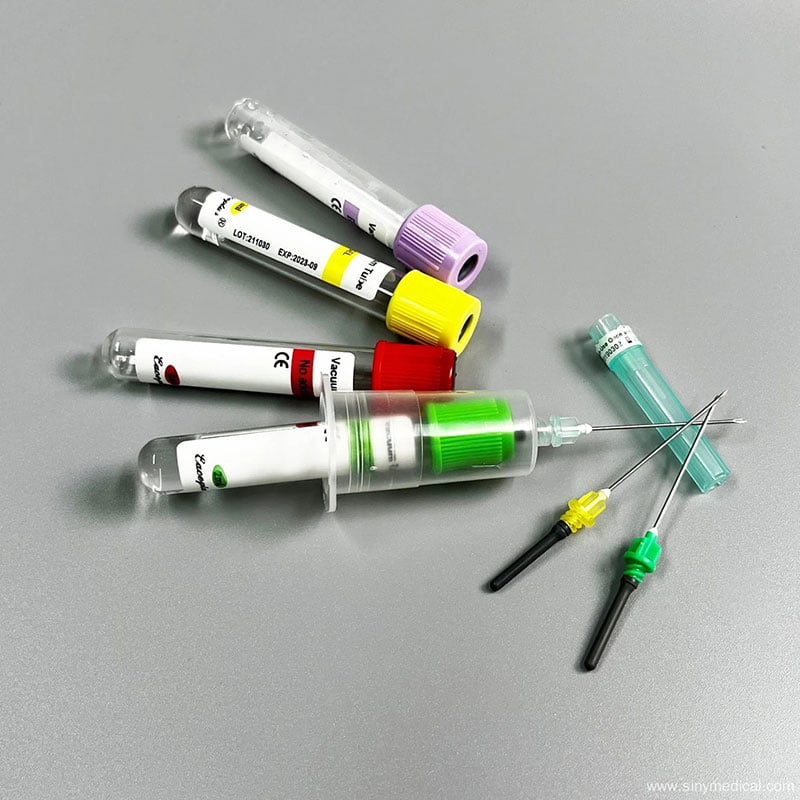
A Blood Collection Set is a sterile medical device used to collect blood samples for laboratory testing. It typically includes a needle, tubing, holder, and collection tube. These sets allow healthcare professionals to draw blood safely and efficiently.
Blood sampling supports essential diagnostic procedures. According to the overview of blood testing on Wikipedia’s page about blood tests, millions of laboratory tests depend on proper specimen collection techniques every day.
Healthcare providers rely on reliable equipment from trusted manufacturers such as Siny Medical to ensure consistent performance and global compliance standards.
Types of Blood Collection Tubes Used in Sets
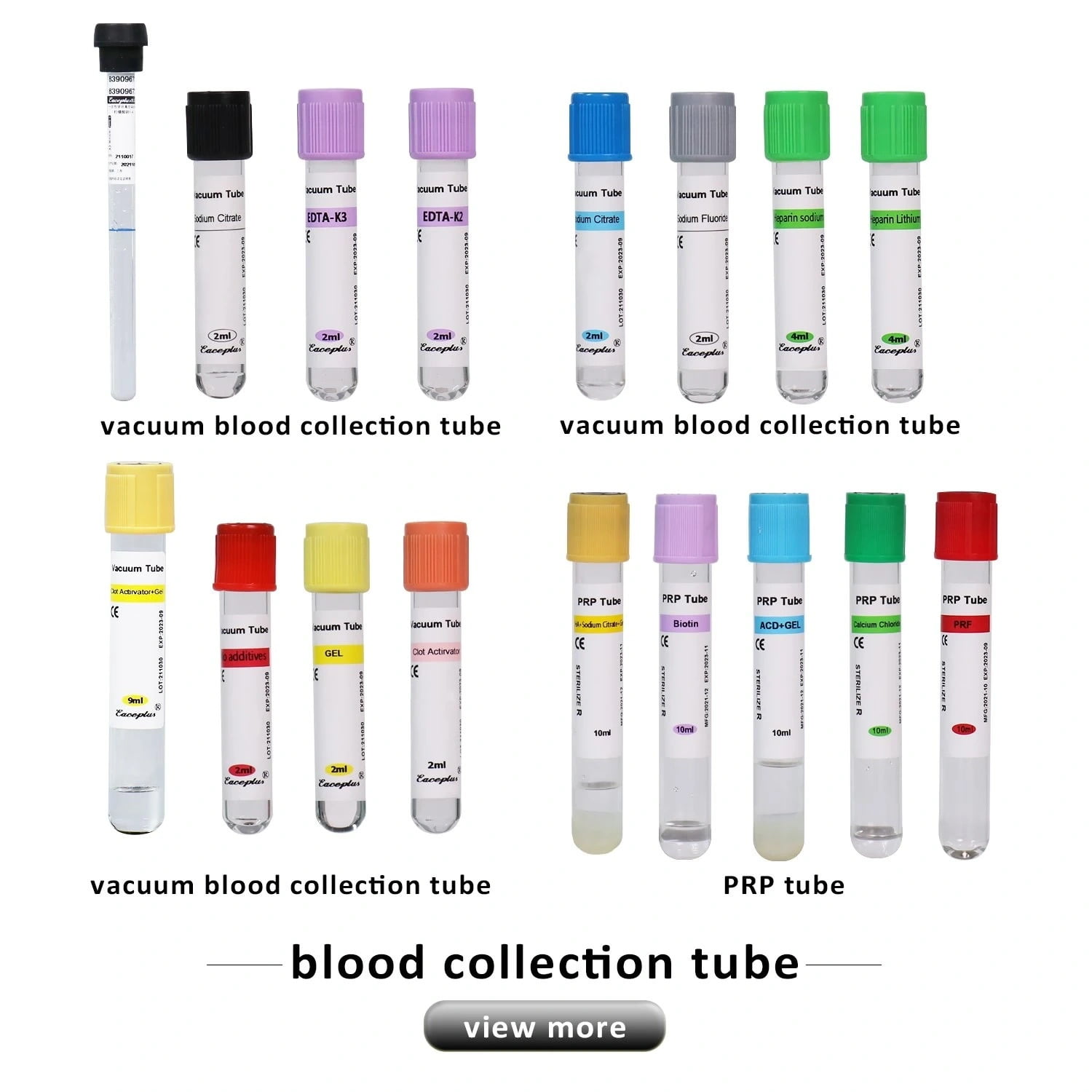
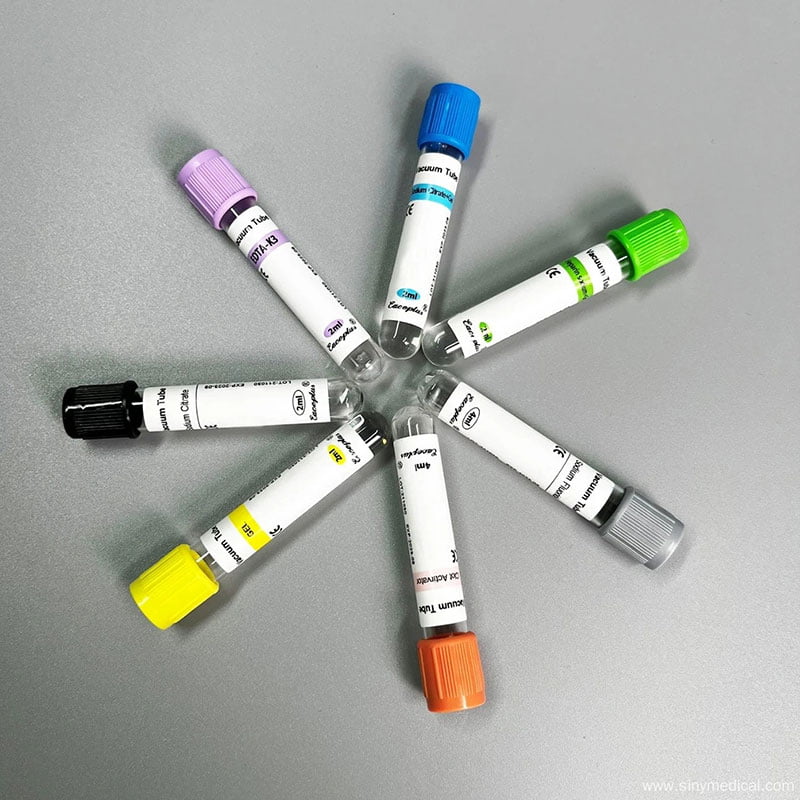
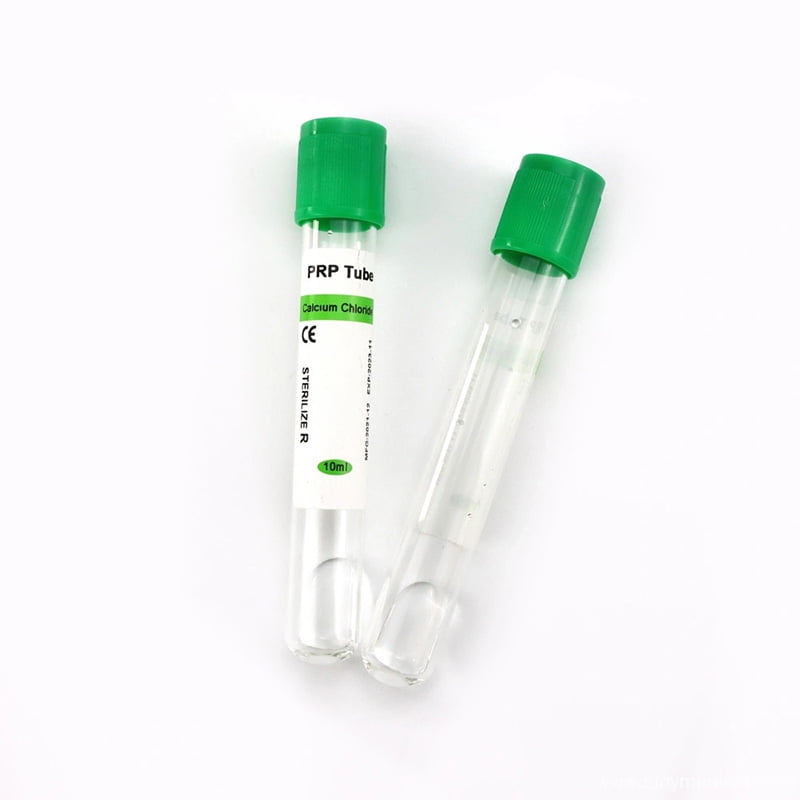
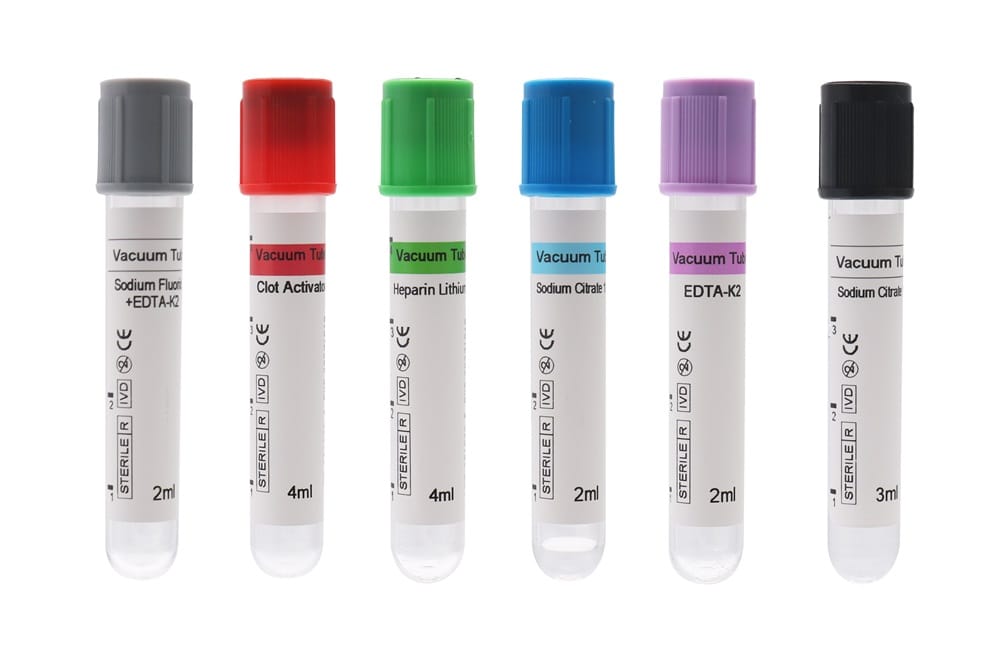
Selecting the correct tube is essential for accurate results. Each type supports specific diagnostic tests.
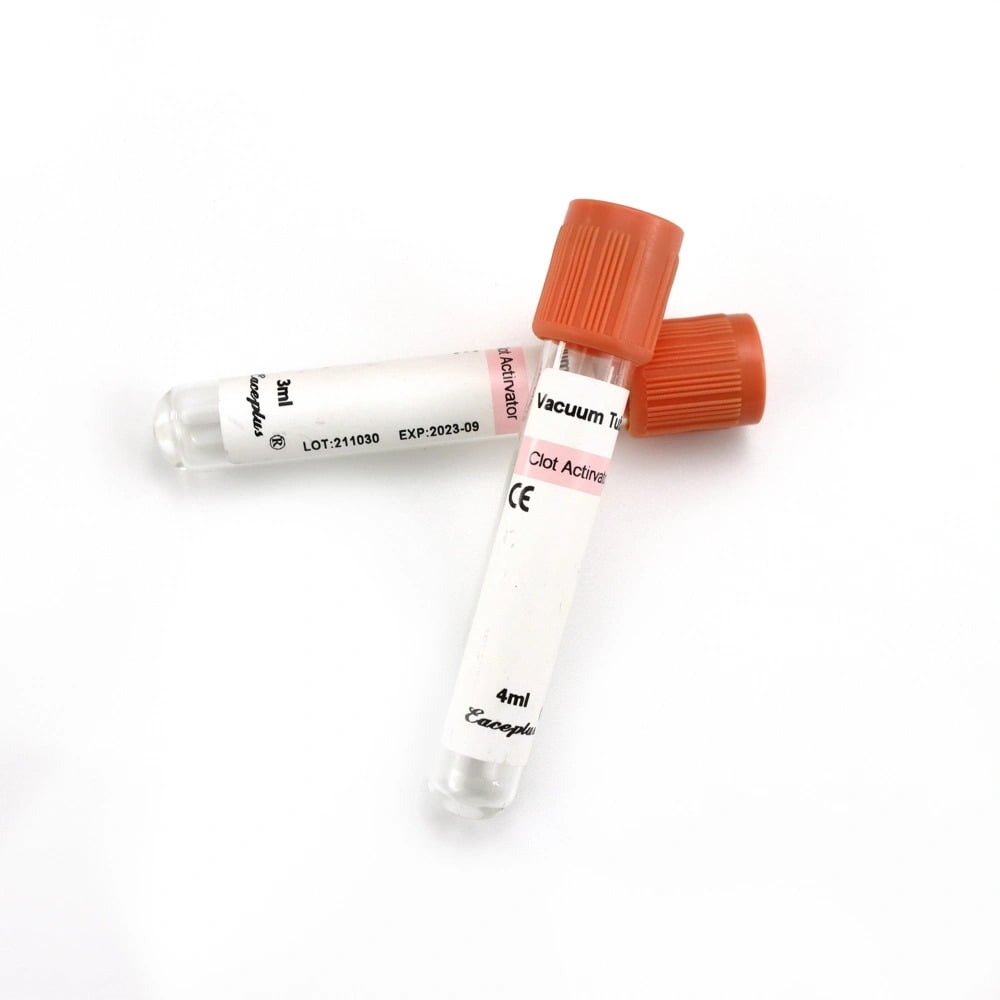
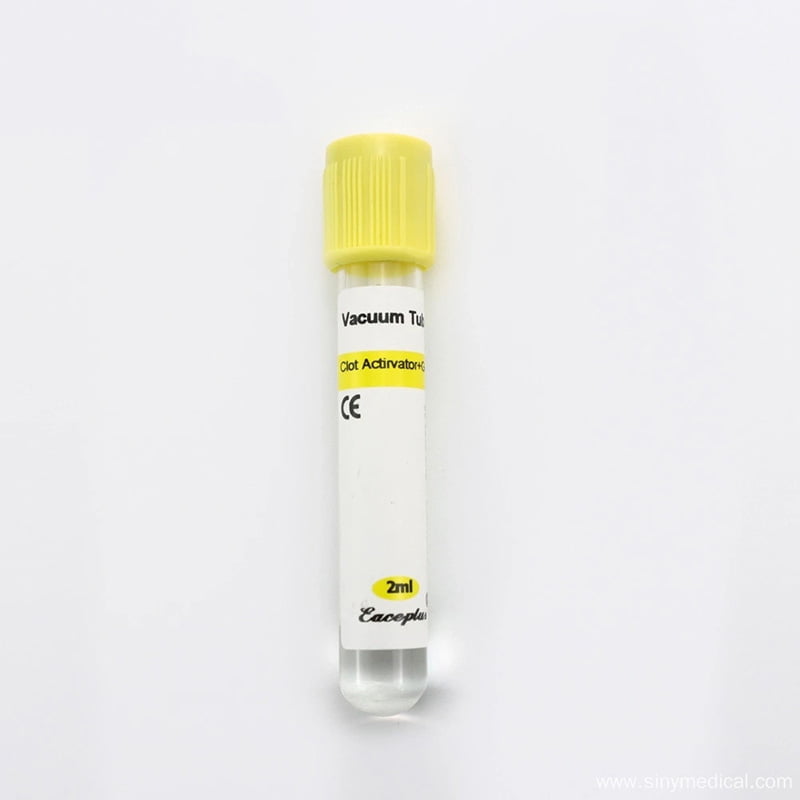
Serum Tubes
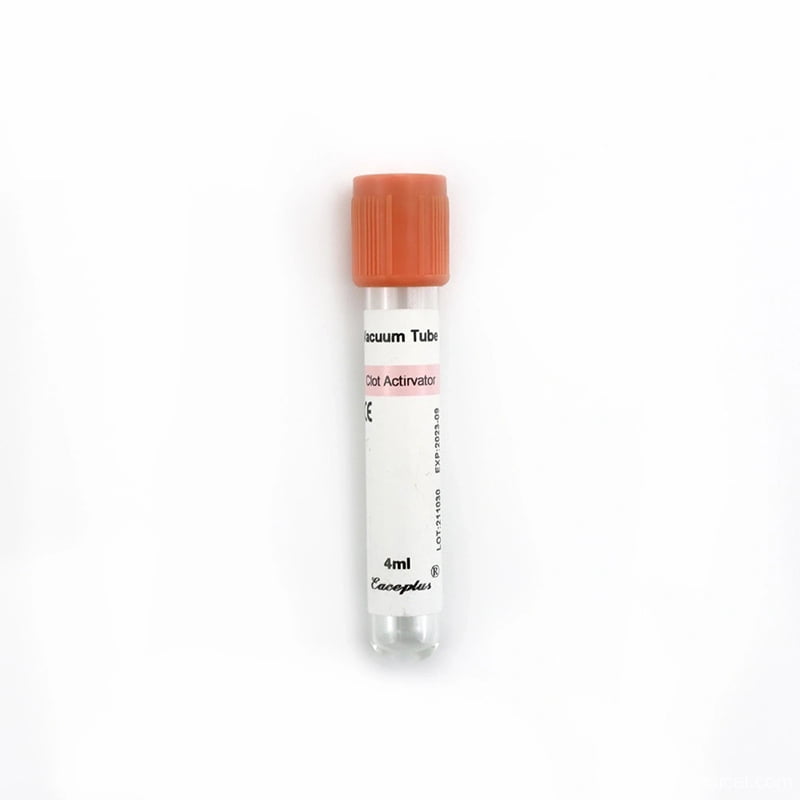
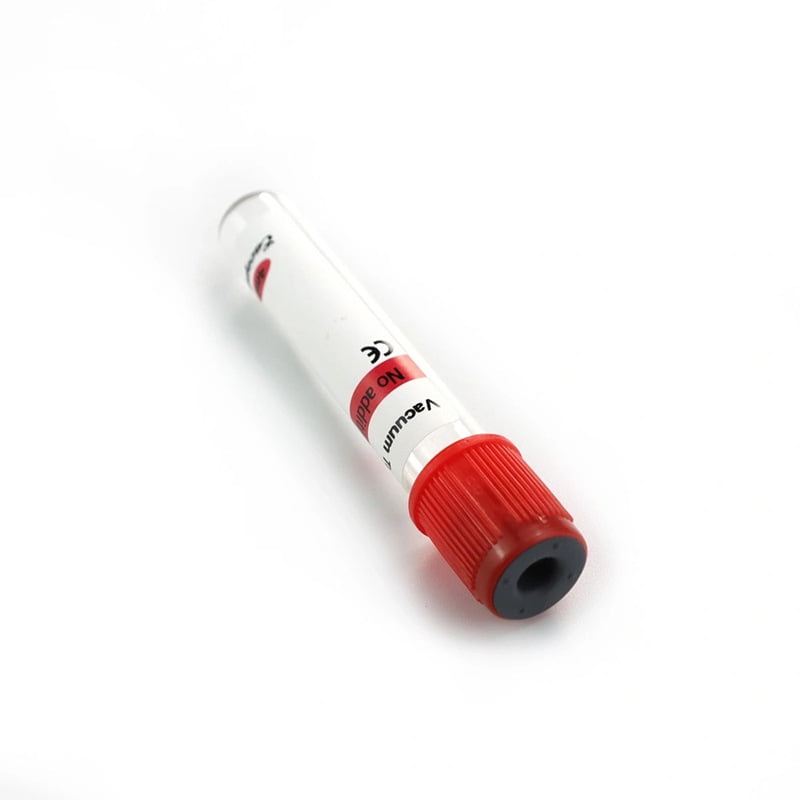
Serum tubes help separate serum from blood cells. They are widely used in biochemical testing. Learn more about serum tubes.
EDTA Tubes
These tubes prevent clotting by using EDTA anticoagulant. They are common in hematology testing. Explore the EDTA tube category.
For detailed insights, read this article about the purple EDTA tube.
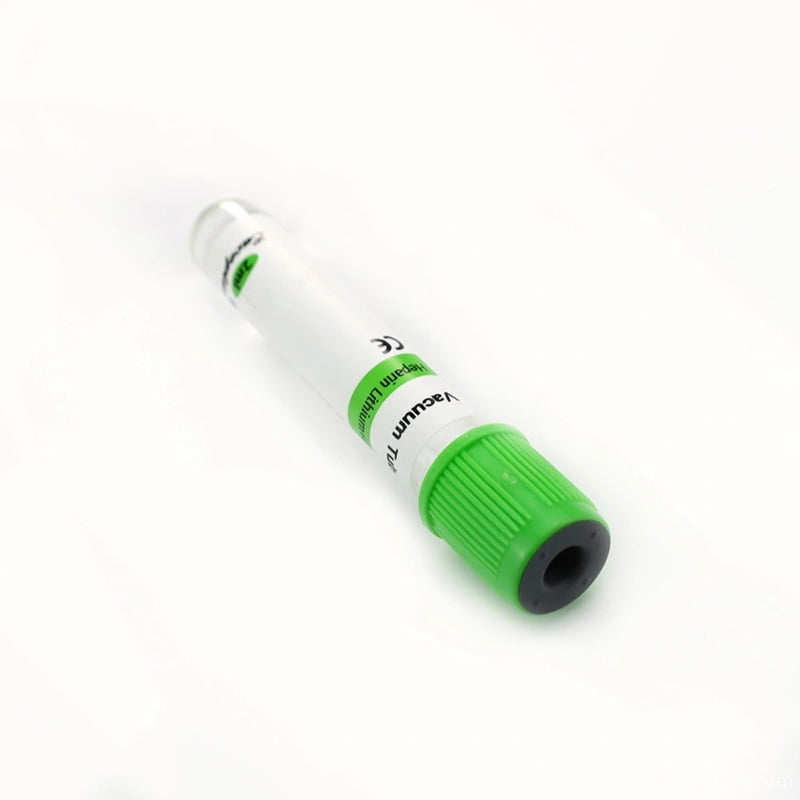
Heparin Tubes
Heparin tubes support plasma testing and electrolyte analysis. Check available options in the heparin tube category.
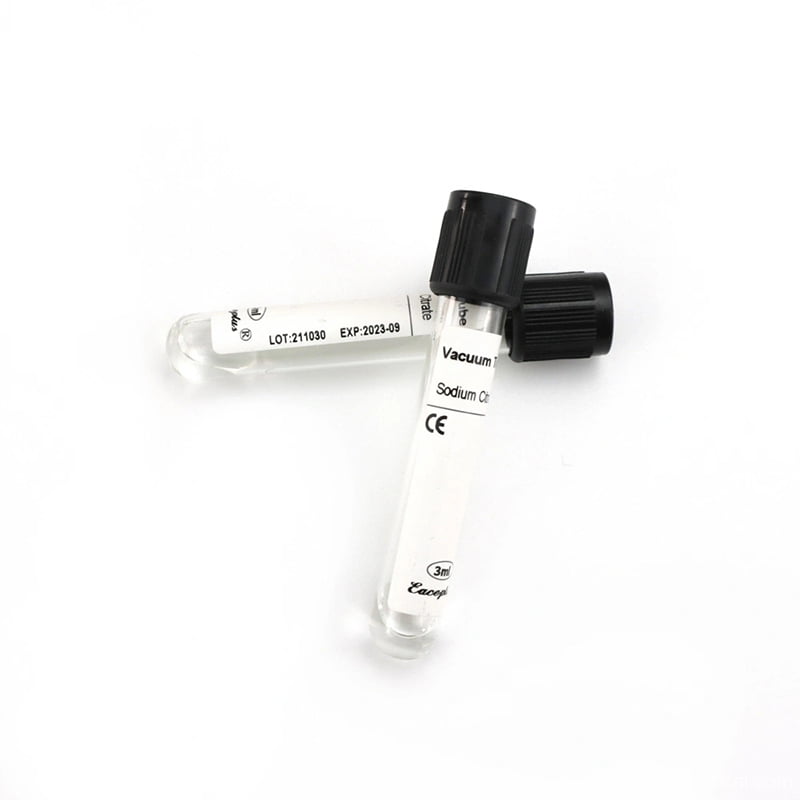
Sodium Citrate Tubes
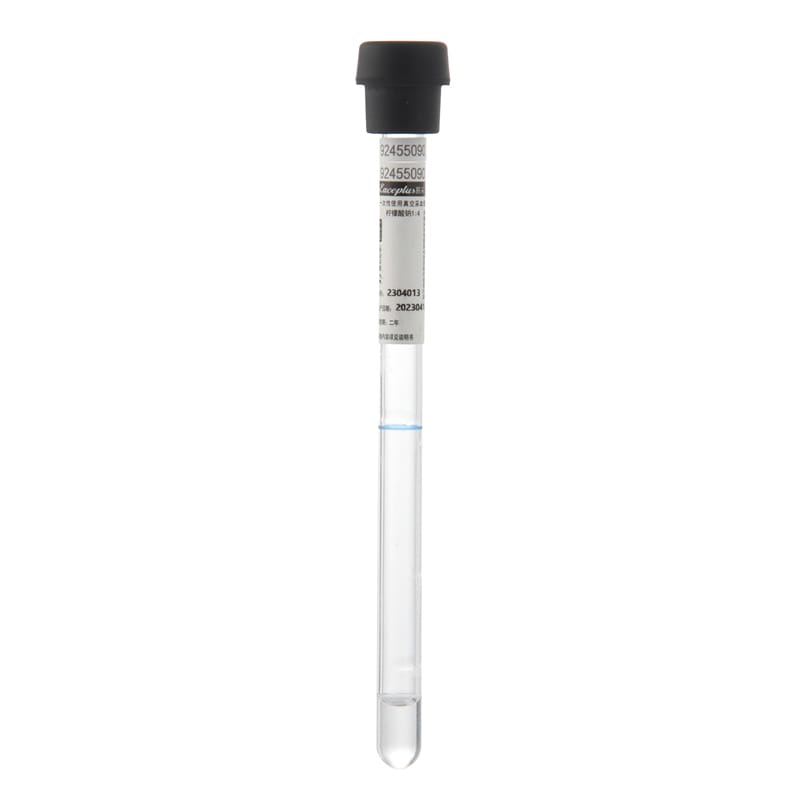
These tubes are crucial for coagulation studies. See more at the 3.2% sodium citrate tube category.
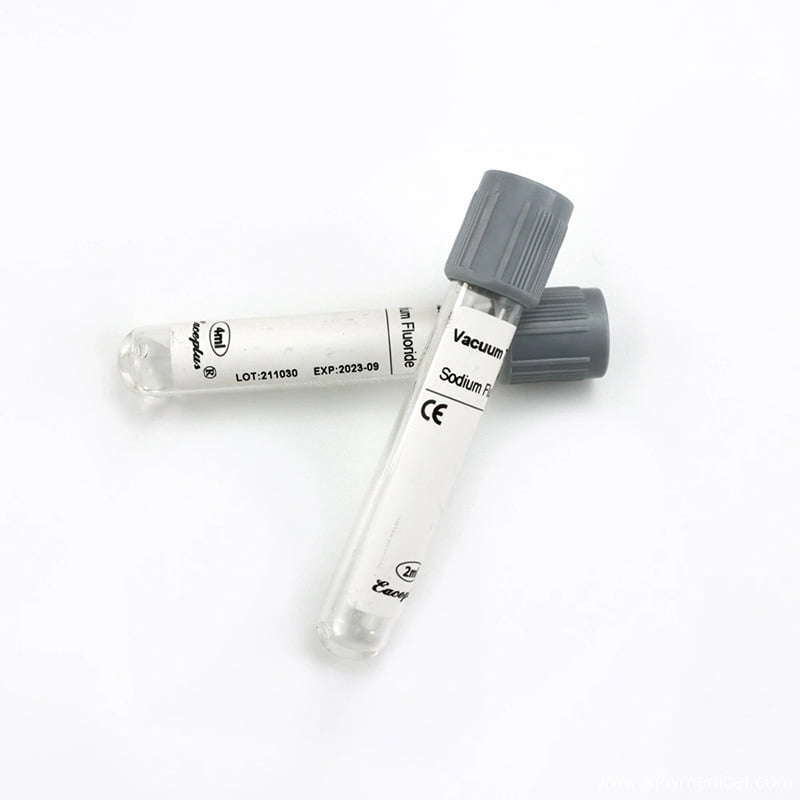
Fluoride Oxalate Tubes
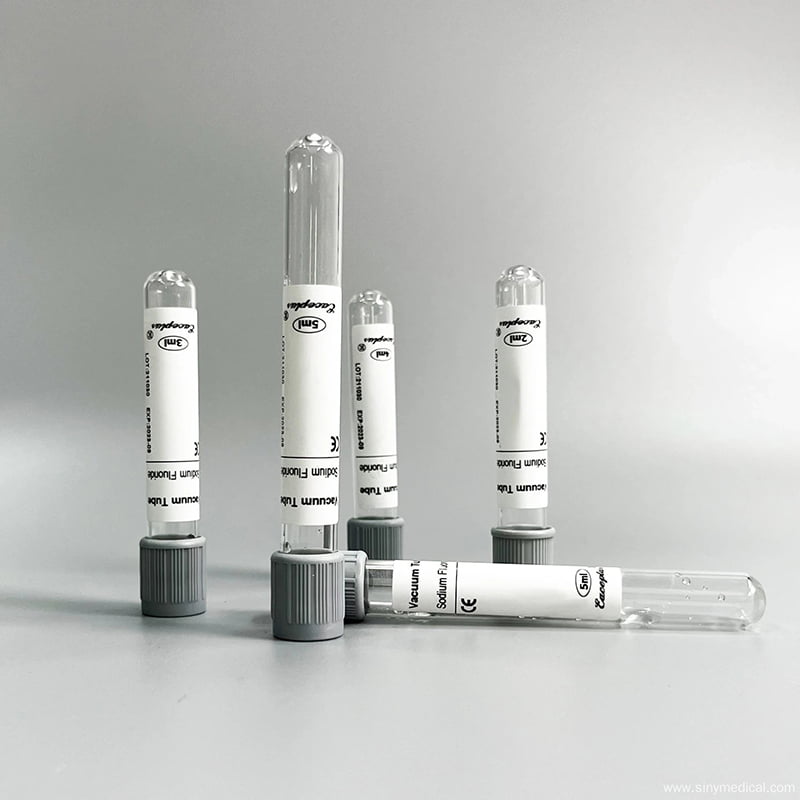
Used for glucose testing, these tubes prevent glycolysis. Browse the sodium fluoride potassium oxalate tubes.
Micro Capillary Tubes
These tubes are ideal for pediatric and micro-volume sampling. Visit the micro capillary tube category.
Vacuum vs Non-Vacuum Blood Collection Systems
Different healthcare settings use different sampling systems.
Vacuum Systems
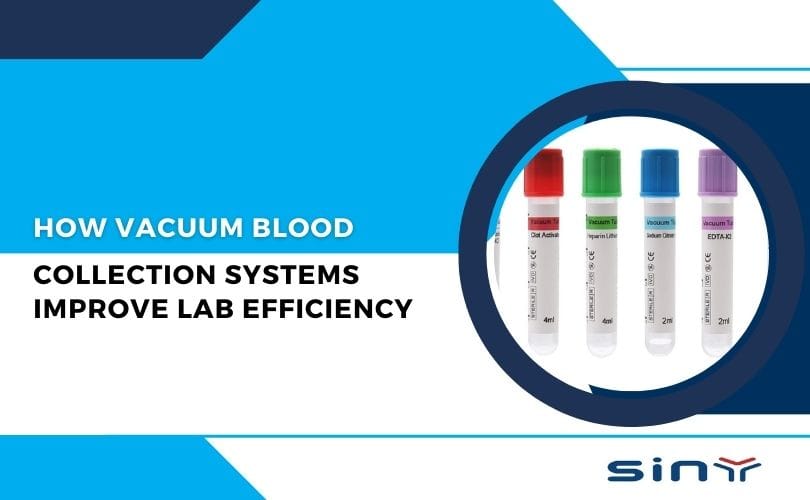
These systems use pre-evacuated tubes. They allow controlled blood flow and precise volume collection. Vacuum systems improve laboratory efficiency and minimize handling errors.
Non-Vacuum Systems
Non-vacuum tubes require manual blood transfer. They are suitable for specific clinical conditions or delicate sampling situations.
For instance, healthcare providers can consider products like 5ml lithium heparin non-vacuum tube.
Why a High-Quality Blood Collection Set Matters for Patient Safety
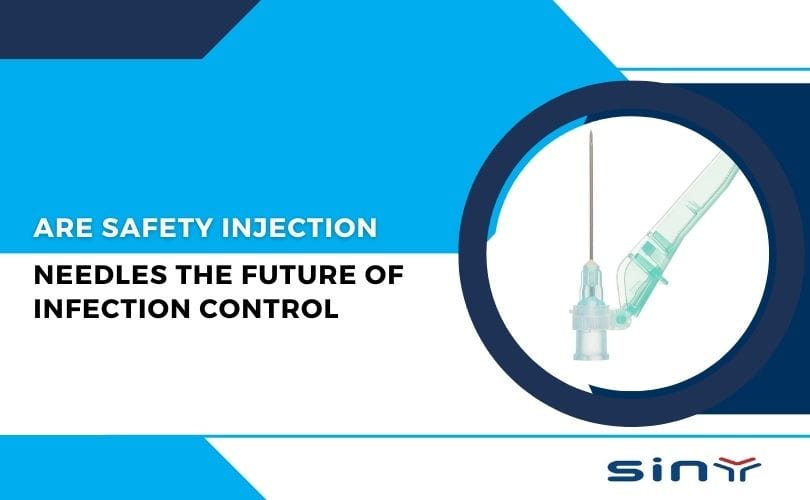
Safety is a non-negotiable factor in healthcare. Manufacturers equip modern versions of the blood collection set with safety-engineered devices. These features include retractable needles or sliding shields that cover the needle immediately after the clinician withdraws it from the patient’s arm. This significantly reduces the risk of accidental needle-stick injuries among healthcare workers.

Beyond the safety of the clinician, the blood collection set directly impacts patient satisfaction. A smooth, siliconized needle tip reduces the “pinch” felt during insertion. When combined with disposable sterile blood collection tubes, the risk of cross-contamination is virtually eliminated.
Benefits of Winged Infusion Sets:
- Precision Control: The wings allow for a shallow angle of entry, which is perfect for superficial veins.
- Reduced Hemolysis: The gentle flow through the tubing prevents the shearing of red blood cells.
- Versatility: It can be used with various adapters to fill multiple blood collection tubes in a single session.
Compatibility with Blood Collection Tubes
A Blood Collection Set rarely works in isolation. It functions in tandem with various collection tubes, each designed for specific tests. The order of draw is a standardized protocol that prevents additive carryover between tubes, which could skew test results. When using a set, the tube holder or adapter allows for the sequential filling of these tubes.
For example, serum tubes are often used for chemistry tests. These tubes contain a clot activator or no additive, allowing the blood to clot before centrifugation. In contrast, EDTA tubes are essential for hematology tests like complete blood counts (CBC). The EDTA anticoagulant prevents clotting, preserving the cell morphology needed for analysis. Understanding which tube pairs with your Blood Collection Set is vital for a successful draw.
Furthermore, specialized tests require specific tubes. For coagulation studies, 3.2% sodium citrate tubes are the standard. These tubes require a precise blood-to-additive ratio, usually 9:1. If the Blood Collection Set tubing has a significant dead space, it can affect this ratio, making it crucial to follow manufacturer instructions regarding discard tubes.
Safety Features in Modern Blood Collection Sets
Occupational safety is a primary concern in phlebotomy. Needlestick injuries can transmit blood-borne pathogens like Hepatitis B, Hepatitis C, and HIV. To mitigate these risks, modern Blood Collection Set designs integrate advanced safety mechanisms.
One common feature is the passive safety shield. This plastic cover slides over the needle automatically or with a simple push of a button immediately after the needle is withdrawn from the vein. This “hands-free” activation minimizes the window of exposure. Another innovation is the retractable needle, where the needle springs back into the device body after use.
These features are not just optional add-ons; in many jurisdictions, they are legal requirements. Organizations like OSHA mandate the use of safety-engineered devices whenever possible. By investing in a safety-engineered Blood Collection Set, healthcare facilities protect their staff and reduce liability. For a deeper understanding of the standards these devices must meet, you can read about how Siny Medical blood collection tubes meet global standards, which applies to their collection sets as well.
Step-by-Step Guide to Using a Blood Collection Set
Proper technique is as important as the device itself. Here is a streamlined guide on how a professional uses a Blood Collection Set.
First, the healthcare provider verifies the patient’s identity and prepares the necessary supplies. This includes the collection set, tubes, tourniquet, alcohol swabs, and gauze. Site selection is the next critical step.
Once the site is cleaned and the tourniquet applied, the provider holds the wings of the Blood Collection Set between the thumb and forefinger. They then insert the needle into the vein at a shallow angle, typically between 15 to 30 degrees. The flash of blood in the tubing confirms a successful venipuncture. Because the tubing is flexible, the provider can secure the needle with tape if necessary, preventing movement while changing tubes.
The provider then pushes the collection tube onto the needle inside the hub. Blood flows into the tube via vacuum pressure.After filling the required tubes in the correct order, the phlebotomist releases the tourniquet and withdraws the needle. They immediately activate the safety mechanism to cover the sharp point. Finally, the clinician presses gauze against the site to stem the bleeding. This methodical approach ensures efficiency and safety. You can view videos demonstrating these procedures on the Siny Medical YouTube channel.
Specialized Tubes and Their Interaction with Collection Sets
The versatility of a Blood Collection Set allows it to be used with a wide array of specialized tubes. For instance, heparin tubes are used for plasma determinations in chemistry. Heparin acts as an anticoagulant, inhibiting thrombin formation. When drawing blood for electrolyte tests, a sodium fluoride potassium oxalate tube is often utilized because fluoride inhibits glycolysis, preserving glucose levels.
For patients requiring erythrocyte sedimentation rate (ESR) tests, ESR tubes are employed. These are often pre-measured to allow for direct filling without dilution errors. The compatibility of the Blood Collection Set with these varied tube types highlights its indispensability in a clinical setting.
Additionally, for capillary collection or micro-sampling, especially in pediatric cases, a micro capillary tube might be used.
Choosing a Quality Blood Collection Set Manufacturer
The market is flooded with medical devices, but quality varies. A reliable Blood Collection Set must have a sharp, silicone-coated needle for smooth penetration. The wings should be flexible yet sturdy enough to grip. The tubing must be clear to visualize blood flow instantly.
Sourcing from established manufacturers ensures consistency. For instance, facilities can browse products from reputable blood collection tubes manufacturers who also produce high-quality collection sets. Quality assurance processes ensure that the vacuum pressure in the tubes matches the flow rate of the needle, preventing reflux or backflow.
If you are looking to procure these devices, you can check the Siny Medical profile on Made-in-China for their manufacturing capabilities and product listings. High-quality production reduces the rate of “failed sticks,” saving time and improving patient satisfaction.
Product Highlights: Specific Sets for Specific Needs
Different clinical scenarios call for different products. For instance, a Disposable Sterile Blood Collection Tube is a staple in general practice. However, specialized needs might require a 5ml Lithium Heparin Tube for Non-Vacuum Tube, which can be used with an open system or syringe.
For pediatric patients, a 2ml EDTA K2 Vacuum Blood Collection Tube is often paired with a small-gauge butterfly set. This minimizes the volume of blood drawn while ensuring sufficient sample for testing. Similarly, for coagulation testing, a Sterile 2ml Vacuum Tube with Sodium Citrate ensures the correct ratio is maintained. Larger volume needs might be met with a 10ml Sodium Citrate Gel Vacuum Tube.
When selecting a Blood Collection Set, checking the compatibility with these specific tubes is essential. The 3ml Sodium Heparin Tube is another example of a specialized container that requires a consistent flow rate to mix the heparin with the blood effectively.
Maintenance of Sample Integrity
The primary goal of using a Blood Collection Set is to secure a viable sample. Once the blood is drawn, the integrity of that sample must be maintained until it reaches the lab. This involves proper handling and transport.
Temperature plays a significant role. Some samples need to be kept cool, while others must remain at room temperature. The material of the Blood Collection Set tubing should be inert so as not to interact with the blood components. High-quality PVC tubing prevents the leaching of plasticizers into the sample, which is a concern with lower-grade products.
Furthermore, the sterility of the system is paramount. A Blood Collection Set must be sterile to prevent bacterial contamination, which could lead to false-positive blood cultures or altered glucose levels. Manufacturers ensure this through gamma sterilization or ethylene oxide gas treatment.
Summary
In conclusion, the blood collection set is a cornerstone of modern phlebotomy. It bridges the gap between the patient’s physiology and the laboratory’s technology. By selecting a high-quality blood collection set, healthcare providers can ensure patient comfort, clinician safety, and diagnostic accuracy. Every component of the blood collection set—from the delicate winged needle to the precision vacuum tubes—facilitates a perfect draw every time.
If you are interested in upgrading your clinical supplies or need more information on specific products, please feel free to contact Siny Medical today. Our team is ready to help you find the perfect Sinymedical solutions for your facility.
FAQs
1. What is the primary advantage of using a Blood Collection Set over a straight needle?
The primary advantage of using a Blood Collection Set is the flexibility and control it offers. The butterfly wings allow for a more stable grip and a shallower angle of insertion.
2. Can a Blood Collection Set be used for all types of blood tests?
Yes, a Blood Collection Set is versatile enough for most blood tests. It is compatible with various vacuum tubes including serum, plasma, and whole blood tubes.
3. How does the gauge of a Blood Collection Set affect the sample?
The gauge determines the needle’s diameter. A smaller gauge number indicates a larger needle. Using a Blood Collection Set with a gauge that is too small for the vein volume can result in hemolysis due to turbulence.
4. Are safety features mandatory on a Blood Collection Set?
In many regions, yes. Regulatory bodies like OSHA in the United States require the use of safety-engineered devices to minimize needlestick injuries. A modern Blood Collection Set typically includes mechanisms like retractable needles or safety shields to cover the needle immediately after use.
5. How should a facility dispose of a used Blood Collection Set?
You must dispose of a used Blood Collection Set immediately into a designated sharps container. Activate the safety mechanism before disposal.