
Cell culture remains one of the most fundamental techniques in biological research, biotechnology, and pharmaceutical development. The success of these experiments often hinges on the quality of the equipment used, with cell culture flasks playing a pivotal role in maintaining optimal growing conditions. Selecting the best cell culture flasks is not merely a matter of convenience but a critical decision that can significantly impact experimental outcomes, reproducibility, and overall research efficiency. In this comprehensive guide, we’ll explore the essential features that define quality cell culture vessels, compare leading options in the market, and provide expert recommendations to help laboratories make informed purchasing decisions that align with their specific research needs and budget constraints.
Table of Contents
- 1 Why the Best Cell Culture Flasks Matter More Than You Think
- 2 Understanding Cell Culture Flasks: A Foundation for Smart Choices
- 3 Features That Define the Best Cell Culture Flasks
- 4 Types of Cell Culture Flasks
- 5 Real-World Impact: How Flask Quality Affects Experimental Outcomes
- 6 How Siny Medical Supports Professional Laboratories
- 7 Choosing the Best Cell Culture Flasks for Your Laboratory
- 8 Sustainability and the Future of Cell Culture Flasks
- 9 Final Summary
- 10 FAQs
- 10.1 What makes the Best Cell Culture Flask different from standard flasks?
- 10.2 Are the Best Cell Culture Flask suitable for both research and clinical laboratories?
- 10.3 How often should laboratories replace their current flasks with the Best Cell Culture Flasks?
- 10.4 Can the Best Cell Culture Flasks improve cell attachment for difficult cell lines?
- 10.5 Are vented caps necessary when using the Best Cell Culture Flask?
Why the Best Cell Culture Flasks Matter More Than You Think
Cell culture is not forgiving. Minor variations in surface chemistry, gas exchange, or sterility can produce dramatic differences in cell behavior. Even experienced scientists sometimes overlook how much influence the flask itself exerts over outcomes.

High-quality flasks support consistent attachment for adherent cells, predictable proliferation rates, and reduced contamination risks. Poor-quality flasks, on the other hand, can lead to uneven growth, unexpected cell stress, and wasted reagents. In high-stakes environments such as clinical research labs, pharmaceutical development, and diagnostic facilities, that difference can cost weeks of work.
The Best Cell Culture Flasks are designed with precision. They consider optical clarity for microscopy, ergonomic handling, leak-proof closures, and sterile manufacturing processes. These details might appear small, yet they determine whether daily workflows feel smooth or frustrating.
Understanding Cell Culture Flasks: A Foundation for Smart Choices
A cell culture flask is a sterile container designed to support the growth of cells in vitro under controlled conditions. Most modern flasks are manufactured from medical-grade polystyrene, which offers excellent optical clarity and biocompatibility. Many are treated with tissue-culture-grade surfaces that promote adhesion for anchorage-dependent cells.
If you are newer to the field, the article What Are the Flasks Used in Cell Culture? on the Siny Medical website provides a clear introduction to how these vessels function within broader laboratory workflows.
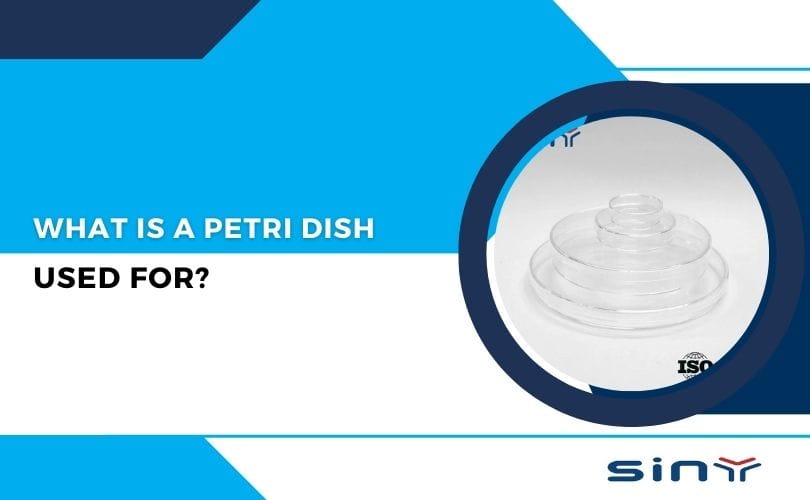
Cell culture flasks differ from other vessels such as Petri dishes, multiwell plates, and bioreactors. While and the broader https://www.sinymedical.com/product-category/petri-dish/ collection are essential for short-term cultures and observation, flasks are preferred for longer-term growth, scale-up, and routine maintenance of cell lines.
Features That Define the Best Cell Culture Flasks
Material Quality and Optical Clarity
The foundation of the Best Cell Culture Flasks is the polymer used. Premium flasks rely on medical-grade polystyrene that is free from cytotoxic additives. This ensures that cells interact only with the intended culture surface.
Optical clarity matters more than aesthetics. Researchers need to observe morphology, confluency, and contamination using inverted microscopes. Inferior plastic introduces distortion and glare, which can obscure subtle cellular changes.
Surface Treatment and Cell Attachment
Not all cell types behave the same. Adherent cells such as fibroblasts, epithelial cells, and stem cells require surfaces that encourage attachment. Tissue-culture-treated flasks undergo controlled surface modification, often using plasma treatment, to increase hydrophilicity and improve protein adsorption.
This is where the Best Cell Culture Flasks stand apart. They offer consistent surface energy across batches, leading to predictable attachment and growth patterns. Inconsistent treatment can cause cells to detach prematurely or grow unevenly across the flask.
Sterility and Contamination Control
Contamination is one of the greatest threats to cell culture work. High-quality flasks are sterilized using validated methods such as gamma irradiation or ethylene oxide, and each batch is tested to ensure sterility.
Reliable suppliers such as Siny Medical emphasize sterile packaging across their cell culture flask category, helping laboratories maintain strict quality control protocols.
Vented vs Non-Vented Caps
Gas exchange is critical for maintaining proper pH and oxygen levels in culture media. Many of the Best Cell Culture Flasks feature vented caps with integrated filters that allow sterile airflow while blocking microbial contamination.
For example, the Sterile Vented Cell Culture Flask with Filter Cap available on Siny Medical is designed for laboratories that prioritize consistent environmental conditions without sacrificing safety.
Types of Cell Culture Flasks
Not all flasks are identical. Understanding their differences helps you select the Best Cell Culture Flasks for your specific application.
T-flasks are the most common format and are available in sizes ranging from T25 to T175 and beyond. They are ideal for routine culture maintenance. Multi-layer flasks allow higher cell yields without increasing incubator footprint, making them suitable for scale-up. Suspension culture flasks are optimized for cells that do not require surface attachment and often feature specialized shapes to improve mixing.
Siny Medical offers several professional-grade options, including the Cell Culture Flasks Falcon for Adherent Cells and the Tissue Culture Cell Culture Flask line, both of which are engineered for consistent performance in demanding laboratory environments.
Real-World Impact: How Flask Quality Affects Experimental Outcomes
Laboratory professionals often discuss variability in cell behavior, yet few trace the problem back to the culture vessel itself. Multiple studies have shown that surface chemistry, leachables, and even plastic transparency can influence cell proliferation and gene expression.
The broader field of laboratory tools, from syringes to flasks, highlights how materials matter. Even basic medical devices are scrutinized for safety and function, as seen in educational resources like the Wikipedia article on the syringe, which explains how design impacts clinical performance. The same principle applies to cell culture: tools shape outcomes.
The Best Cell Culture Flasks reduce variability, making experimental data more reliable. This is especially important for research that must meet regulatory standards or be reproduced across institutions.
How Siny Medical Supports Professional Laboratories
Siny Medical has positioned itself as a reliable supplier of laboratory consumables, with a growing reputation for quality and consistency. Their main platform, https://www.sinymedical.com, serves as an educational and commercial hub for researchers worldwide.
Their dedicated cell culture flask category provides access to multiple designs suitable for different laboratory needs. Products such as the Cell Culture Flask with Vent Cap offer practical solutions for labs that need dependable daily-use vessels. For labs working with complementary tools, items like the Square Petri Dish for Laboratory support integrated workflows across different experimental stages.
Beyond products, Siny Medical invests in educational content. Articles like The Untold Secrets of Tissue Culture Vessels offer deeper insights into how vessel design affects experimental success, which is invaluable for both junior scientists and seasoned lab managers.
Choosing the Best Cell Culture Flasks for Your Laboratory
The selection process should never be based on price alone. While budget constraints are real, the hidden cost of failed experiments, contamination events, and inconsistent results often outweighs small upfront savings.
Start by evaluating your cell types. Adherent cells demand superior surface treatment, while suspension cells require shapes that support gentle mixing. Next, consider your workflow. Do you need vented caps for incubator use? Are you performing frequent microscopy that demands exceptional optical clarity?
Procurement teams also benefit from reviewing reliable product directories such as https://sinymedical.en.made-in-china.com/, which provide additional background on manufacturers and product specifications. Meanwhile, educational video resources like the Siny Medical YouTube channel at www.youtube.com/@sinymedical can offer visual demonstrations and practical tips.
Sustainability and the Future of Cell Culture Flasks
Sustainability is increasingly shaping laboratory purchasing decisions. Manufacturers are exploring recyclable materials, reduced packaging waste, and more efficient production methods. While sterility and safety will always remain top priorities, future versions of the Best Cell Culture Flasks are likely to incorporate eco-conscious innovations without compromising performance.
Digital integration may also play a role. Some emerging designs include tracking features such as QR codes or batch identification systems that support better documentation and compliance in regulated environments.
Final Summary
Choosing the Best Cell Culture Flasks is not simply about buying consumables; it is about protecting the integrity of your work. High-quality flasks support consistent cell growth, reduce experimental variability, and enhance daily laboratory efficiency. With reliable suppliers such as Siny Medical offering both premium products and educational resources, laboratories can confidently build workflows that support accurate, reproducible, and scalable research. Investing in the Best Cell Culture Flasks ultimately means investing in better science.
FAQs
What makes the Best Cell Culture Flask different from standard flasks?
The Best Cell Culture Flasks are manufactured with higher-grade materials, consistent surface treatment, validated sterility, and superior optical clarity, which together lead to more reliable cell growth and reproducible experimental results.
Are the Best Cell Culture Flask suitable for both research and clinical laboratories?
Yes, the Best Cell Culture Flask are designed to meet the needs of academic research, biotechnology development, pharmaceutical testing, and even regulated clinical environments where consistency and quality control are essential.
How often should laboratories replace their current flasks with the Best Cell Culture Flasks?
Laboratories should consider switching to the Best Cell Culture Flasks whenever they experience unexplained variability, contamination issues, or when upgrading workflows to support more demanding applications such as stem cell research.
Can the Best Cell Culture Flasks improve cell attachment for difficult cell lines?
High-quality surface-treated vessels, which define the Best Cell Culture Flask, often significantly improve attachment and growth for sensitive or demanding adherent cell lines.
Are vented caps necessary when using the Best Cell Culture Flask?
In most incubator-based workflows, vented caps enhance gas exchange and stability. Many of the Best Cell Culture Flasks, such as those with filter caps from Siny Medical, are specifically designed to support optimal culture conditions.